



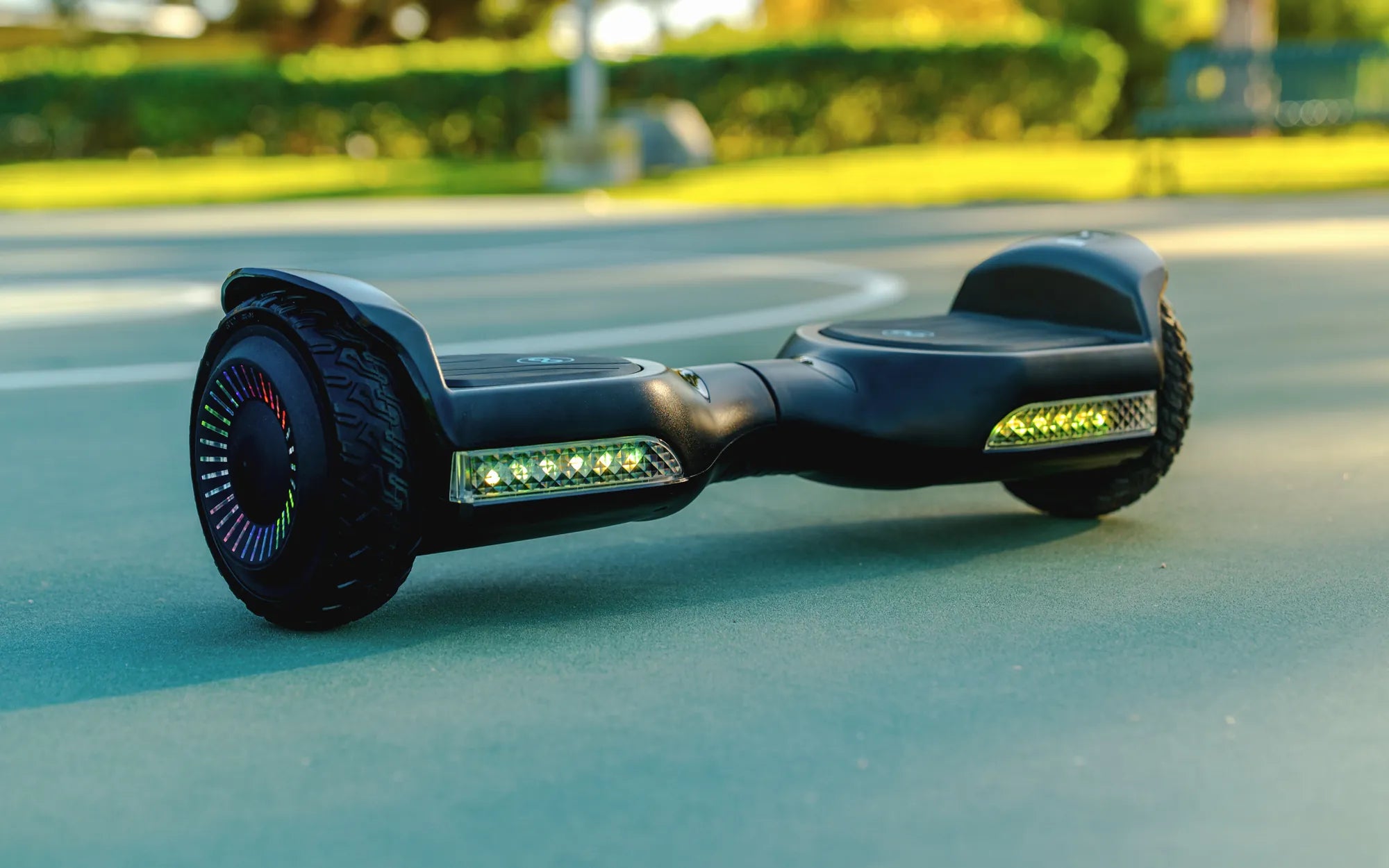
Remember the thrill of gliding effortlessly on a hoverboard, feeling like you were floating on air? These self-balancing scooters were the must-have gadget of the mid-2010s, capturing the imagination of kids and adults alike. But as quickly as they rose to fame, hoverboards faded into obscurity. What happened? Let's dive into the conclusion of hoverboard and uncover the reasons behind their rise, fall, and potential resurgence.
The Rise of Hoverboards
Hoverboards burst onto the scene in 2014, promising a futuristic mode of transportation. Their sleek design and intuitive controls made them an instant hit. Celebrities were spotted riding them, viral videos flooded social media, and demand skyrocketed. For a brief moment, hoverboards symbolized cutting-edge technology and coolness.
What made hoverboards so appealing? Here are a few key factors:
- Novelty: The idea of a self-balancing scooter felt like something out of a sci-fi movie.
- Portability: Lightweight and compact, hoverboards were easy to carry and store.
- Fun Factor: Riding one was undeniably entertaining, appealing to all ages.
The Fall of Hoverboards
Despite their initial success, hoverboards soon faced significant challenges. Safety concerns emerged as reports of fires caused by faulty batteries made headlines. Airlines banned them, and several countries imposed restrictions. The lack of regulation led to a flood of cheap, low-quality imitations, further damaging their reputation.
Here’s what went wrong:
- Safety Issues: Overheating batteries posed fire hazards, leading to recalls.
- Legal Hurdles: Many cities banned hoverboards from sidewalks and public spaces.
- Market Saturation: Poor-quality knockoffs diluted the brand and consumer trust.
The Future of Hoverboards
Is this truly the conclusion of hoverboard, or is there hope for a comeback? Advances in battery technology and stricter safety standards could revive their popularity. Some companies are experimenting with hybrid models that combine hoverboards with other personal transport devices. Additionally, the growing interest in eco-friendly mobility solutions might give hoverboards a second chance.
Potential developments include:
- Improved Safety: Safer lithium-ion batteries and better manufacturing standards.
- Smart Features: Integration with apps for tracking speed, battery life, and more.
- Niche Markets: Use in warehouses, campuses, or as last-mile transportation solutions.
From viral sensation to cautionary tale, the hoverboard's journey is a fascinating study in tech trends. While they may never reclaim their peak popularity, innovations could breathe new life into this iconic gadget. Will hoverboards make a triumphant return, or remain a nostalgic relic of the 2010s? Only time will tell.
Red Light Up Hoverboard: The Ultimate Guide to Choosing and Riding Safely
Compare Hoverboard Features: A Comprehensive Guide to Choosing the Best Ride