



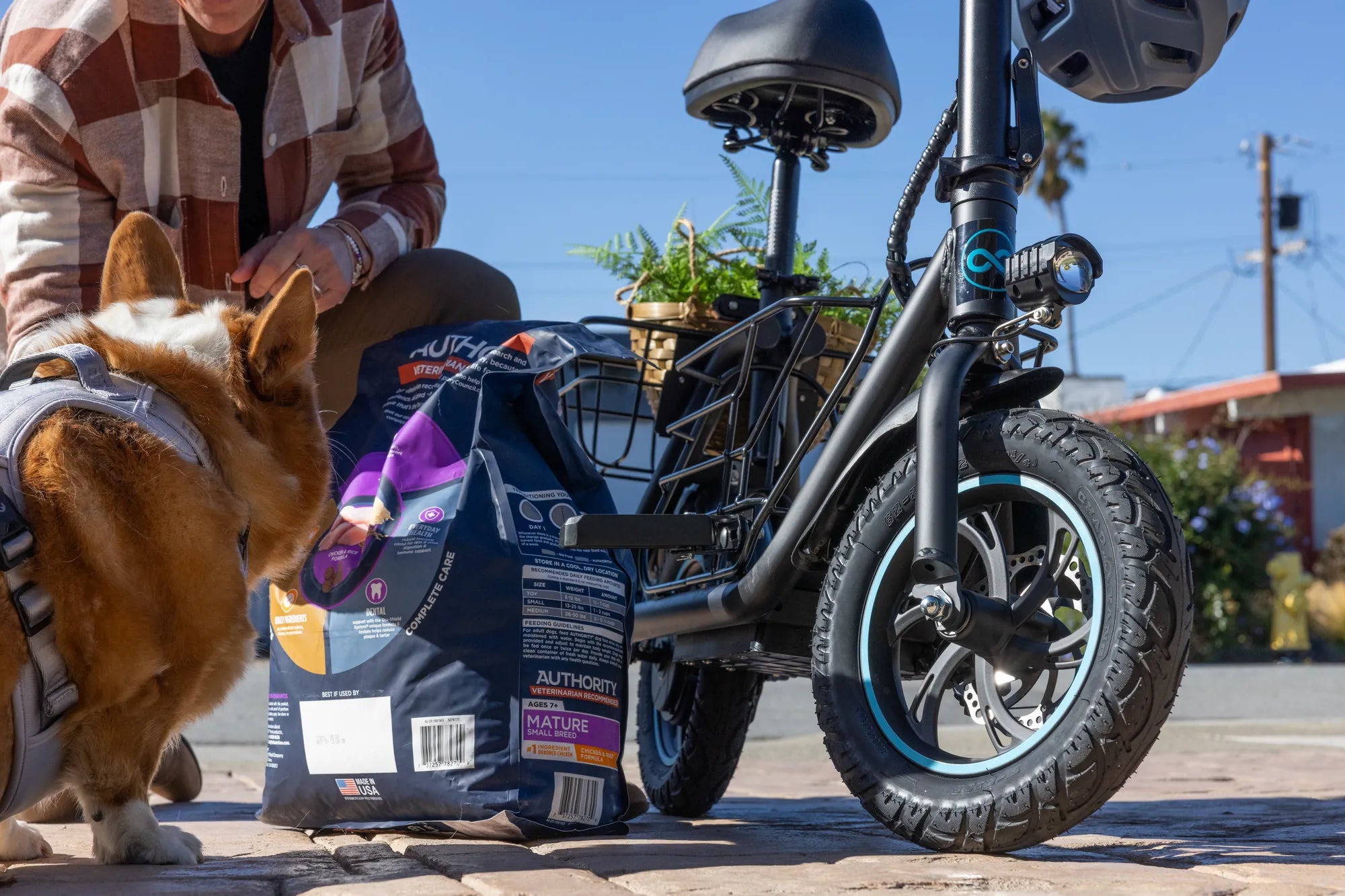
The cost of electric two-wheelers in India has become a hot topic as more consumers look for eco-friendly and cost-effective alternatives to traditional petrol vehicles. With rising fuel prices and growing environmental concerns, electric two-wheelers are gaining traction. But how much do they really cost, and what factors influence their pricing? Let’s dive into the details.
Factors Influencing the Cost of Electric Two Wheelers in India
Several elements determine the final price of an electric two-wheeler in India. Understanding these factors can help buyers make an informed decision.
Battery Technology and Capacity
The battery is the most expensive component of an electric two-wheeler. Lithium-ion batteries, which are more efficient and durable, tend to increase the overall cost compared to lead-acid batteries. Higher battery capacity also means a higher price tag but offers better range and performance.
Range and Performance
Electric two-wheelers with longer ranges and higher speeds are priced higher. Models designed for city commutes with lower ranges are more affordable, while premium models with extended ranges and faster acceleration come at a premium.
Brand and Features
While we avoid mentioning specific brands, it’s worth noting that established manufacturers often charge more due to their reputation, warranty offerings, and advanced features like smart connectivity, regenerative braking, and anti-theft systems.
Government Subsidies and Incentives
The Indian government offers subsidies under the FAME II scheme, which can significantly reduce the upfront cost of electric two-wheelers. State-level incentives, such as tax waivers and additional subsidies, further lower the price.
Average Cost of Electric Two Wheelers in India
The price range for electric two-wheelers in India varies widely based on the factors mentioned above. Here’s a general breakdown:
- Low-cost models: These start at around INR 40,000 and are ideal for short commutes with limited features.
- Mid-range models: Priced between INR 70,000 to INR 1,20,000, these offer better range, speed, and additional features.
- Premium models: Costing upwards of INR 1,50,000, these come with advanced technology, longer ranges, and superior performance.
Long-Term Savings with Electric Two Wheelers
While the initial cost of electric two-wheelers may seem high, the long-term savings are substantial. Here’s how:
Lower Fuel Costs
Electric vehicles eliminate the need for petrol, saving owners thousands of rupees annually. Charging costs are significantly lower compared to fuel expenses.
Reduced Maintenance
With fewer moving parts, electric two-wheelers require less maintenance. No oil changes, fewer brake replacements, and no engine servicing translate to additional savings.
Government Incentives
Beyond subsidies, electric vehicle owners benefit from lower road taxes, registration fees, and even free parking in some cities.
Challenges Affecting the Cost of Electric Two Wheelers
Despite the advantages, several challenges keep the cost of electric two-wheelers high for some buyers.
High Initial Investment
The upfront cost remains a barrier for many, even with subsidies. Cheaper models often compromise on range and features.
Charging Infrastructure
Limited charging stations in some areas can deter buyers, though home charging solutions are becoming more accessible.
Battery Replacement Costs
While batteries last several years, their replacement can be expensive. However, prices are expected to drop as technology advances.
Future Trends in Electric Two-Wheeler Pricing
The cost of electric two-wheelers in India is expected to decrease in the coming years due to advancements in battery technology, increased local manufacturing, and economies of scale. Government policies will continue to play a crucial role in making these vehicles more affordable.
As the electric two-wheeler market in India evolves, buyers can expect more options at competitive prices. Whether you’re looking for a budget-friendly commuter or a high-performance ride, the future of electric mobility is bright—and increasingly affordable.
E Scooter Best Price: How to Find the Perfect Ride Without Breaking the Bank
E Scooter Best Price: How to Find the Perfect Ride Without Breaking the Bank