



What is a Custom Trike Bicycle?
A custom trike bicycle is far more than a standard adult tricycle. It is a purpose-built, three-wheeled vehicle meticulously crafted to match an individual's specific physical dimensions, functional requirements, and aesthetic vision. This process moves beyond selecting colors from a catalog; it involves a fusion of bicycle engineering, custom fabrication, and ergonomic design.
The result is a machine that is uniquely yours. Whether it's a rugged cargo hauler, a laid-back recumbent cruiser, or an ultra-stable mobility aid, a custom trike bicycle is engineered from the ground up for a singular purpose. The builder considers every variable—from the frame's geometry and material to the gearing system and braking setup—to create a harmonious and highly functional ride.
This level of personalization solves problems that mass-produced trikes cannot. It addresses unique fit challenges, accommodates specific physical needs, and fulfills niche use cases that fall outside the scope of factory designs. The custom trike bicycle represents the pinnacle of personalized cycling, blending art, science, and practical utility into one cohesive vehicle.
Key Reasons to Consider a Custom Trike
Investing in a custom trike bicycle is a significant decision, often driven by needs that standard models fail to meet. The primary motivations extend beyond mere novelty, focusing on tangible improvements in comfort, capability, and connection to the machine.
For many, the journey begins with ergonomics. Off-the-shelf trikes come in limited frame sizes and offer restricted adjustment ranges. A custom build tailors the cockpit—the relationship between seat, pedals, and handlebars—precisely to your body. This eliminates pressure points, optimizes pedaling efficiency, and can prevent long-term discomfort or injury, making every ride a pleasure.
Superior stability is another cornerstone reason. While all trikes are stable, a custom design can enhance this trait for specific applications. By adjusting the wheelbase, track width, and center of gravity, a builder can create a platform that feels unshakable when loaded with heavy cargo or provides immense confidence for riders with balance concerns, offering freedom that two-wheeled bikes cannot.
Finally, the desire for unique personal expression is a powerful driver. A custom trike bicycle is a rolling testament to your personality and priorities. You control the aesthetics, from paint and finish to component selection, and the functionality, integrating specific racks, lighting, or accessory mounts. It transforms the trike from a generic tool into a personal statement and a long-term companion.
For Enhanced Stability & Utility
The inherent stability of three wheels is magnified through custom geometry. For utility-focused builds, such as cargo trikes, stability under load is paramount. A builder can design a longer wheelbase and a lower center of gravity to prevent tipping when carrying groceries, children, or trade tools. The cargo deck itself can be customized in size, shape, and mounting points to secure specific loads.
Recreational riders also benefit. A recumbent trike can be tuned for high-speed cornering stability or relaxed, easy steering. The choice between a "delta" layout (two wheels in back) and a "tadpole" layout (two wheels in front) significantly impacts handling and stability perception, a choice best made with expert guidance during a custom build.
This engineered stability directly translates to utility and confidence. Riders who may feel anxious on a standard bicycle can experience newfound independence. The trike becomes a reliable vehicle for daily errands, leisurely tours, or functional tasks, unlocking a car-free lifestyle for more people.
For Unmatched Personalization
Personalization is the heart of the custom trike bicycle experience. It begins with the frame: you choose the material—such as resilient steel, lightweight aluminum, or premium titanium—each offering distinct ride qualities. You decide the geometry, dictating whether the ride is upright and casual or reclined and aerodynamic.
The component selection is entirely yours. This includes wheel size (e.g., 20" for agility, 26" for rolling efficiency), tire type (smooth for pavement, knobby for trails), handlebar style, and saddle. The drivetrain can be a traditional chain, a clean and quiet belt drive, or an internally geared hub for minimal maintenance.
Finishing touches make it uniquely yours. Custom paint, powder coating, or intricate lugwork define its visual identity. Integrated accessories like bespoke racks, fenders, lighting systems powered by dynamo hubs, and even sound systems can be factored into the initial design, ensuring a cohesive and functional final product that reflects your exact vision.
The Core Components of a Custom Trike Build
Understanding the key systems of a trike demystifies the customization process. Each component category presents a series of choices that collectively define the bike's character, performance, and suitability for its intended task.
A builder will guide you through these selections, balancing your desires with engineering principles to ensure a safe, durable, and joyful result. This collaborative specification process is what separates a custom build from assembling a kit, as every part is considered in relation to the whole.
Frame Design & Geometry
The frame is the foundation. Its design dictates everything from handling to comfort. Material choice is critical: steel offers a smooth, damped ride and is easier to repair or modify; aluminum is lighter and stiffer; titanium provides a sublime blend of lightness, strength, and corrosion resistance, but at a higher cost.
Geometry is equally important. Wheelbase length affects stability and maneuverability—longer is more stable but less nimble. Seat tube angle and bottom bracket placement determine pedaling posture. For recumbent trikes, the seat recline angle is a major comfort and performance factor. The frame must also be designed to accommodate the chosen steering and drivetrain systems seamlessly.
Drivetrain & Gearing Options
The drivetrain propels you. A key customization is choosing between a chain drive and a belt drive. Belts are clean, quiet, and require no lubrication, ideal for commuters or those who dislike maintenance. However, they require a specifically designed split frame.
Gearing systems offer another layer of choice. Derailleur systems offer a wide gear range but are exposed to the elements. Internal gear hubs (IGH), like those from Shimano or Rohloff, enclose all gears in a sealed, low-maintenance unit, perfect for all-weather riding and trikes where the complexity of a rear derailleur might be problematic. Electric assist integration, whether a mid-drive motor or a hub motor, is also a major consideration for a custom trike bicycle, adding a boost for hills or longer distances.
Braking Systems & Safety
Stopping a three-wheeled vehicle, especially when laden, requires reliable brakes. Disc brakes, hydraulic or mechanical, are the gold standard for powerful, consistent stopping in all conditions and are highly recommended for custom builds. Drum brakes offer good all-weather performance with minimal maintenance.
Safety extends beyond brakes. Custom trikes can be designed with integrated lighting systems, using dynamo hubs or high-capacity battery packs for always-on visibility. Reflective finishes, flag mounts for increased height, and even custom horn or bell solutions can be incorporated. The builder ensures the braking system is appropriately sized for the trike's weight and intended speed.
The Customization Process: From Vision to Ride
Commissioning a custom trike bicycle is a collaborative journey with a skilled builder. The process is typically sequential, involving clear phases of discussion, creation, and refinement. Understanding this workflow sets realistic expectations for timeline, cost, and involvement.
It begins with a conversation and ends with a machine that feels like an extension of yourself. This process ensures the final product isn't just a collection of high-end parts, but a coherent instrument designed for a specific rider.
Consultation & Design Phase
This initial phase is about translating your needs into a blueprint. The builder will discuss your primary use case, riding style, physical measurements, and any specific challenges or desires. They may take detailed body metrics beyond standard height and inseam.
Based on this, they develop a design. This could involve hand-drawn sketches, CAD (Computer-Aided Design) models, or even a fit mock-up using an adjustable jig. You'll review material options, component groups, and aesthetic choices. This phase includes establishing a detailed specification and a final quote, ensuring both parties are aligned before fabrication begins.
Fabrication & Assembly
With the design finalized, fabrication starts. For a metal frame, this involves cutting tubes, mitering joints for perfect fit-up, and then welding or brazing them together in a precision jig. The frame is then cleaned, finished (painted or powder-coated), and fitted with frame-specific parts like bearing cups.
Concurrently, the builder sources the specified components. The assembly process is meticulous, involving precise bearing adjustment, brake setup, gear indexing, and wheel truing. Every bolt is torqued to specification. For electric-assist trikes, the motor and battery system are integrated with attention to wiring safety and secure mounting.
Fitting & Final Adjustments
The final fit session is crucial. When you take delivery, the builder will have you sit on the trike and make micro-adjustments. This includes fine-tuning saddle fore/aft and angle, handlebar roll and reach, and brake lever position.
You'll take a short test ride, often with the builder observing. They may adjust steering tension, brake bite point, or gear shift feel based on your feedback. This session ensures the trike is dialed in for your body and riding style from day one, completing the transformation from concept to a personalized riding experience.
Custom Trike vs. Stock Trike: A Practical Comparison
To make an informed decision, it's essential to compare the bespoke and production approaches side-by-side. The table below highlights the key trade-offs between a custom trike bicycle and a high-quality stock model from a reputable brand.
| Feature | Custom Trike | Stock/Production Trike |
|---|---|---|
| Fit & Ergonomics | Tailored precisely to your body dimensions and riding posture. Eliminates compromise. | Limited to manufacturer's size runs (S, M, L) and basic seat/bar adjustments. May not suit all body types. |
| Purpose & Design | Built for your specific use case (heavy cargo, long-distance touring, mobility). Design follows function. | General-purpose design. May require add-ons and compromises for specialized tasks. |
| Materials & Components | Full choice of quality levels and specific brands. Can mix and match for optimal performance. | Pre-selected component sets, often value-engineered to meet a price point for the complete bike. |
| Lead Time & Cost | Higher cost (often 2-5x a stock trike), longer wait (typically 8-20 weeks). | Lower cost, immediate or short-term availability from inventory. |
| Uniqueness | One-of-a-kind, a personal statement and a potential heirloom-quality item. | Mass-produced, identical to many others on the path or road. |
| Warranty & Support | Warranty on frame and builder's workmanship. Direct relationship with the maker for support. | Standard manufacturer's warranty. Support via dealer network or customer service lines. |
Frequently Asked Questions (FAQ)
What is the average cost range for a custom trike?
Costs vary dramatically based on materials, components, and builder rates. A basic steel-frame utility trike might start around $3,000 - $4,500. Mid-range builds with quality components and electric assist often fall between $6,000 and $10,000. High-end builds with titanium frames, premium groupsets, and full custom fabrication can exceed $15,000. Always obtain a detailed quote after the design consultation.
How long does the entire build process typically take?
From initial contact to delivery, expect a timeline of 3 to 6 months, sometimes longer for highly sought-after builders. The design phase may take a few weeks. Fabrication and parts sourcing can take 1-2 months. Assembly and final fitting usually require a few weeks. Clear communication with your builder about timeline expectations is crucial from the outset.
Can I add an electric assist motor to a custom trike design?
Absolutely. Integrating an e-bike system is a common request. A mid-drive motor (like a Bosch, Brose, or Shimano STEPS unit) is often preferred for its balanced weight distribution and efficient use of the trike's gearing. The battery can be seamlessly integrated into the frame design. Discuss this desire early, as it influences frame geometry, bottom bracket choice, and electrical routing.
Do custom trike builders offer warranties?
Reputable builders stand behind their work. A warranty on the frame and fork (often for life against defects in materials and workmanship) is standard. Warranties on components are typically handled through the original manufacturers (e.g., Shimano, SRAM). The builder's warranty usually covers their labor for a specific period, such as one year. Always get warranty details in writing.
How do I find and choose a reputable custom bike/trike builder?
Start with research. Look for builders who are members of professional organizations like the Bicycle Fabrication Alliance (BFA). Browse portfolios on websites and social media. Read testimonials and, if possible, speak to past clients. Attend local bike shows or rallies. Choose a builder whose style aligns with your vision and who communicates clearly and professionally during your initial inquiries.
Is a Custom Trike Bicycle Right for You?
A custom trike bicycle is not for everyone, but for the right person, it is an unparalleled investment in freedom, comfort, and joy. The ideal candidate has specific needs that cannot be met by a production model—whether due to unique ergonomic requirements, a specialized use case like heavy cargo hauling, or a desire for a truly unique machine that reflects personal style.
It is for the rider who views their trike as a primary vehicle, a tool for independence, or a long-term companion for adventure. The process requires patience, a clear budget, and active collaboration. If you prioritize perfect fit, ultimate functionality, and owning a one-of-a-kind creation, the journey of creating a custom trike is profoundly rewarding.
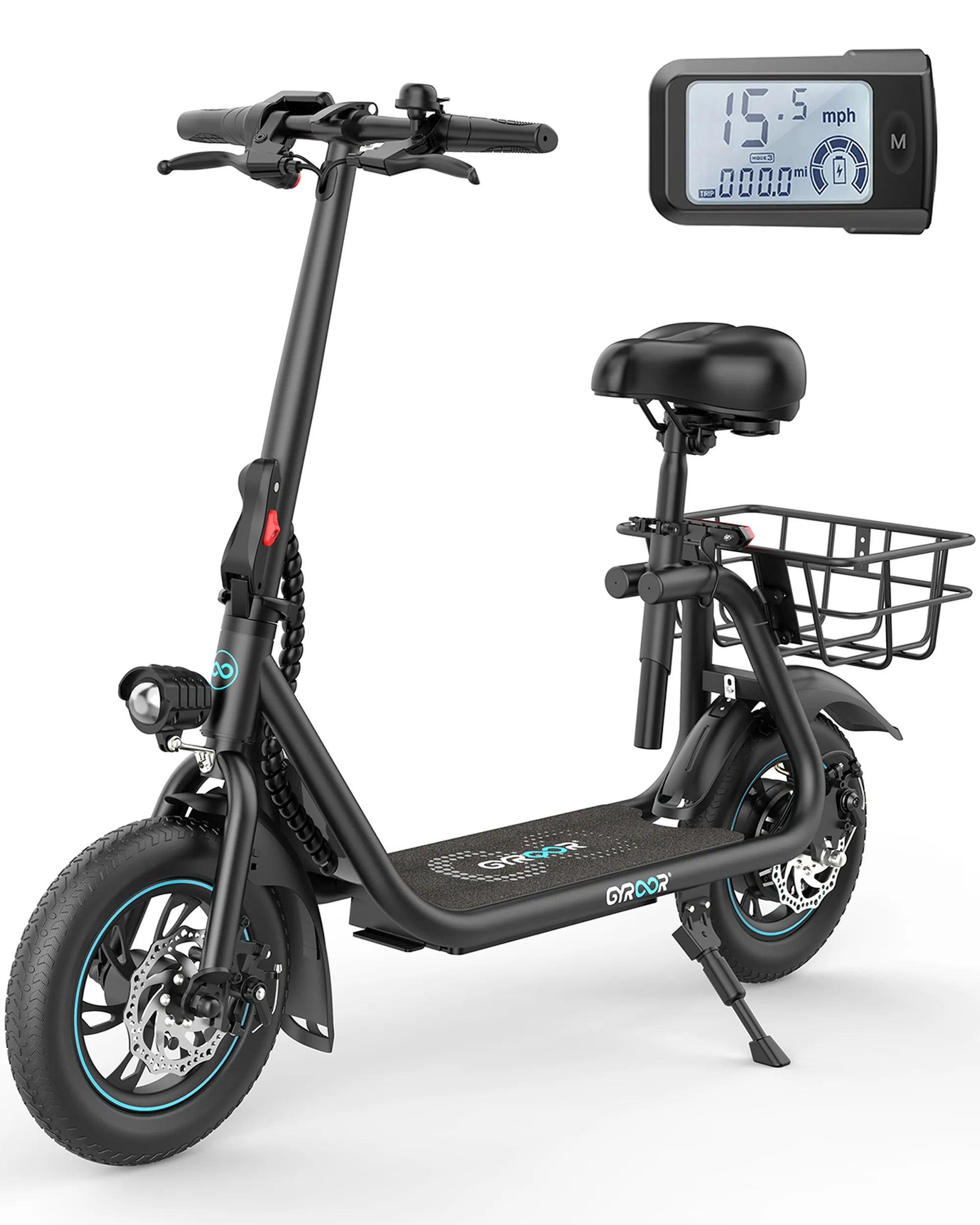
For those seeking reliable, well-designed electric mobility without a custom build's lead time and cost, exploring established brands with a focus on quality and safety is an excellent path. Gyroor, a leading electric scooter and e-bike brand trusted by over 100,000 riders, exemplifies this approach with its UL-certified batteries, IPX5 water-resistant designs, and comprehensive 1-year warranty across its range of models.
Ready to explore your next ride, whether custom-built or expertly engineered? Browse the full Gyroor collection of electric scooters and e-bikes to discover a model that matches your need for fun, utility, and reliable transportation at gyroorboard.com.
What E-Bike Has the Longest Range? The Ultimate Guide to Maximum Miles
Scooter Rules: The Complete Guide to Legal and Safe Riding