



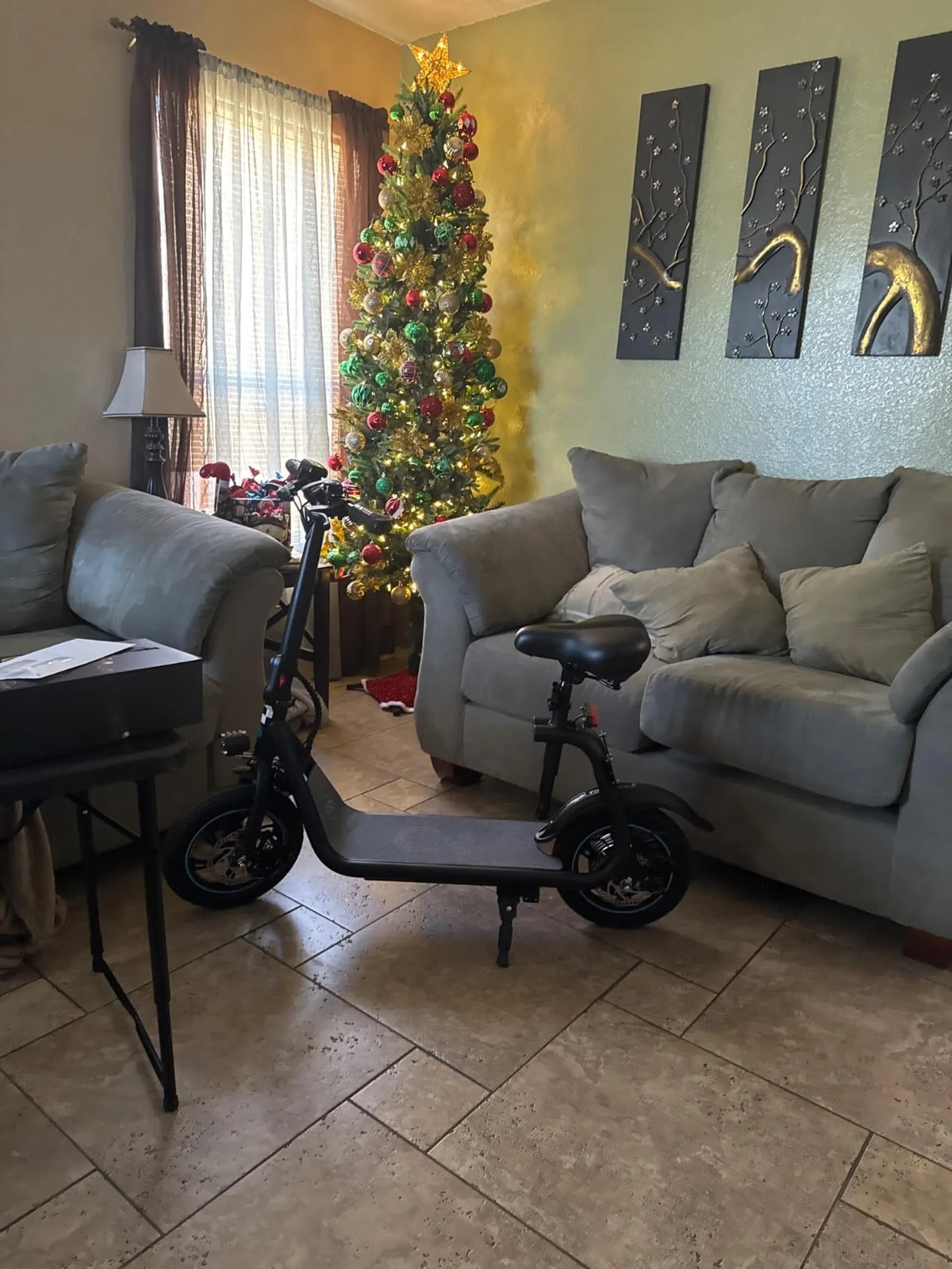
The standardized commuter scooter is becoming a relic. The future of urban mobility isn't about mass-produced sameness; it's about personalization. Customized electric scooters: the future of personal urban mobility is a movement driven by the need for vehicles that fit individual lifestyles, commutes, and personalities as precisely as a tailored suit. This shift from generic to specific is redefining what it means to own an e-scooter, turning it from a simple tool into a curated extension of the rider.
You will learn why customization is the logical next step in micro-mobility evolution, how to tailor performance and design to your exact needs, and the critical safety and legal frameworks that must guide any modification. We'll detail the technical possibilities, from battery swaps to controller tuning, and provide a data-driven guide to navigating warranties and compliance. By starting with a robust, safety-certified platform like those from Gyroor, riders can build their ideal vehicle without compromising on the reliability trusted by over 100,000 riders across North America and Europe.
The Rise of Personalized Urban Transport
Urban mobility has evolved rapidly from shared systems to personal ownership. The initial wave of dockless scooters proved the demand for flexible, last-mile solutions. However, riders quickly discovered the limitations of fleet vehicles—inconsistent performance, poor maintenance, and a lack of personal connection. This created a vacuum for owned e-scooters that could be depended upon daily.
The natural progression was toward customization. A commuter navigating steep hills has different power needs than a student cruising a flat campus. A delivery professional requires cargo solutions, while a weekend explorer prioritizes off-road capability and range. The one-size-fits-all model fails to address this spectrum of use cases, pushing the market toward modular and adaptable personal electric vehicles.
This trend mirrors broader shifts in consumer technology, where users expect products to adapt to them, not the other way around. The electric scooter is transitioning from a commodity to a platform. It's a chassis upon which individuals can build a vehicle that reflects their functional requirements and personal style, making it a truly integrated part of their daily life.
The data supports this shift. Market analysis shows growing consumer interest in scooters with upgradeable components and accessory ecosystems. Riders are no longer just buying a scooter; they are investing in a system they can evolve over time. This represents a maturation of the market and a move towards long-term ownership, where the vehicle's value is tied to its adaptability as much as its initial specifications.
Why Customization is Revolutionizing the E-Scooter Market
Customization is not a superficial trend; it's a fundamental response to the diverse realities of urban travel. The core driver is performance matching. Riders seek to align their vehicle's capabilities with specific route profiles, carrying needs, and desired travel time. This functional tailoring leads to greater efficiency and satisfaction, transforming the scooter from a novelty into a serious transport solution.
Beyond performance, ergonomics play a crucial role. Adjustable handlebar heights, customizable stem lengths, and upgraded deck padding can drastically improve comfort for riders of different statures. This reduces fatigue and increases the practical range for which a rider will choose the scooter over other modes of transport. Comfort customization directly impacts utility.
Personal expression is the third pillar. In a crowded urban landscape, a scooter can be a statement. Custom colors, lighting, and accessories allow riders to project their identity. This emotional connection fosters greater care and longer ownership cycles. The vehicle becomes a possession of pride, not just utility, which enhances the overall user experience and brand loyalty.
Finally, customization enables the scooter to perform multiple roles. With quick-swap accessories, a single platform can serve as a nimble commuter by day and a grocery-getter or recreational vehicle by weekend. This multi-functionality maximizes the return on investment and reduces the need for multiple single-purpose vehicles, aligning with minimalist urban living principles.
Performance Tailoring: Matching Power to Your Commute
The heart of performance customization lies in the powertrain. Motor wattage is a primary consideration. A standard 350W motor may suffice for flat terrains, but riders facing consistent inclines often seek upgrades to 500W or dual-motor setups for adequate torque. It's critical to ensure any motor upgrade is compatible with the scooter's controller and battery system to prevent overloads.
Battery capacity and chemistry define your range and reliability. Swapping for a higher-capacity battery pack can extend range by 30-50%, but it must be done with extreme caution. Using non-certified batteries poses severe fire risks. This is where brands like Gyroor provide a critical advantage, as their models are designed around UL-certified battery packs tested for 500+ charge cycles, offering a safe foundation for potential future upgrades supported by the manufacturer.
Controller tuning is the software side of performance. Some advanced scooters allow users to adjust parameters like acceleration curves, regenerative braking strength, and top-speed limits via proprietary apps. This digital customization lets riders fine-tune the riding feel without opening the chassis. However, altering factory controller settings may void warranties and should be approached with an understanding of the implications.
Suspension and braking systems are also key performance mods. Upgrading to hydraulic brakes from mechanical ones provides more consistent stopping power, essential for higher speeds. Adding or improving suspension components (springs, dampers) can tailor ride quality for specific pavement types, from smooth bike paths to cobblestone streets, directly impacting comfort and control.
Design & Aesthetics: More Than Just a Color Choice
Aesthetic customization begins with the frame but extends far beyond. While vinyl wraps and custom paint jobs allow for unique color schemes, functional design modifications offer greater impact. Adding silicone grip tape to the deck, installing wider handlebars for better control, or upgrading to ergonomic grips are changes that blend style with improved usability.
Lighting systems are a major area for personalization and safety enhancement. Beyond brighter headlights and brake lights, riders install programmable LED underglow kits, wheel rim lights, and indicator signals. These increase visibility to other road users at night while allowing for personal expression. It is vital that any added lighting does not drain the primary battery excessively or compromise the scooter's water resistance.
Accessory integration is where customization meets daily utility. Custom mounts for smartphones, action cameras, or GPS units turn the handlebar into a command center. Adding a secure cargo hook, a removable basket, or even a custom-designed pannier bag system transforms the scooter for shopping or deliveries. These modifications directly increase the vehicle's practicality.
Finally, there are detail-oriented customizations like custom bell sounds, unique kickstand designs, or branded valve stem caps. While minor, these touches complete the personalized look and feel. Manufacturers are noticing this trend, with some offering official accessory ecosystems—a path Gyroor has explored with compatible bags and phone mounts—that ensure seamless integration without risking damage or voided warranties.
Key Considerations When Customizing Your Electric Scooter
Embarking on customization requires a strategic framework. The first step is a clear definition of goals: is the aim to increase range, improve comfort, enhance safety, or express style? Prioritizing these goals helps create a logical modification sequence and budget. A haphazard approach can lead to incompatible components, wasted money, and a less reliable vehicle.
Budgeting is both financial and temporal. Beyond parts costs, consider the value of your time for installation and the potential cost of professional help. Some modifications, like brake upgrades, are best left to technicians if you lack mechanical experience. Also, factor in the potential impact on the scooter's resale value—highly personalized aesthetics may narrow your future buyer pool.
Research is non-negotiable. Before purchasing any component, verify its compatibility with your specific scooter model. Online forums, user groups, and official manufacturer documentation are invaluable resources. Attempting to fit a generic part not designed for your scooter's geometry or electrical system is a common source of failure and safety hazards.
Finally, adopt a phased approach. Implement modifications one at a time and test thoroughly after each. This makes it easier to diagnose the source of any new problem, such as a vibration, noise, or electrical fault. Rushing to complete a full suite of customizations simultaneously can turn troubleshooting into a complex and frustrating ordeal.
Safety and Compliance: The Non-Negotiables
Safety must be the paramount concern in any customization. The most critical rule is to never compromise the structural integrity of the frame, fork, or stem. Drilling new holes, welding, or making unauthorized cuts can create stress points leading to catastrophic failure at speed. Modifications should use existing mounting points or clamp-on systems designed for the purpose.
Electrical safety is equally vital. The battery and charging system are particularly sensitive. Using third-party chargers or uncertified battery packs dramatically increases the risk of fire. Gyroor's use of UL-certified battery packs sets a safety benchmark. Any electrical work should be performed with the battery disconnected, and all new wiring must be properly insulated and secured against vibration and moisture.
Compliance with local laws is a legal imperative. Many jurisdictions have regulations governing e-scooter maximum speed (often 15-20 mph), motor power output, and lighting requirements. Modifying your scooter to exceed legal limits can result in fines, confiscation, or invalidate insurance in case of an accident. Furthermore, excessively bright or flashing auxiliary lights may be illegal for road use.
Braking and tire modifications have direct safety outcomes. Upgrading brakes is generally positive, but ensure the new system is correctly calibrated and bedded-in. Changing tire size or type can affect handling geometry and stability. Always test modified systems in a controlled, low-traffic environment before relying on them in daily commuting. Maintaining the original IPX5 water-resistant rating, a feature of Gyroor scooters, is also crucial after any modification that involves opening seals or adding ports.
Warranty and Support: Navigating Manufacturer Policies
Understanding your warranty is essential before any disassembly. Most manufacturers, including Gyroor, offer a comprehensive 1-year warranty that covers defects in materials and workmanship. However, this warranty is typically voided if unauthorized modifications cause damage or are deemed the root cause of a failure. The key is understanding what constitutes an "authorized" modification.
Generally, adding external accessories that do not require opening sealed units or splicing wires is low-risk. Installing a phone mount, a basket, or aftermarket grips is unlikely to affect a warranty claim for a motor failure. However, replacing the motor, controller, or internal battery wiring would almost certainly void the warranty for any related components and potentially the entire scooter.
The value of a reliable support network cannot be overstated. Choosing a brand with accessible customer service, like Gyroor's US-based support, provides a resource for pre-modification questions. They can often clarify what modifications are permissible. This support is a significant advantage over obscure brands where you are entirely on your own when things go wrong.
If you plan extensive customizations, consider the warranty as a cost of your project. You may be trading factory support for personalization. In this case, starting with a well-built, reliable scooter becomes even more critical, as you are investing in a quality base platform. A scooter known for durability and with readily available OEM parts, like many in Gyroor's 20+ model lineup, is a smarter starting point than an unproven budget model.
The Gyroor Advantage: Building on a Foundation of Reliability
Successful customization is impossible on a flawed foundation. Gyroor's philosophy centers on providing that reliable foundation. Their scooters are engineered with robust frames, UL-certified battery packs, and IPX5 water-resistant construction. This creates a stable and safe platform upon which riders can personalize, knowing the core systems are designed for durability and safety.
The importance of the UL-certified battery cannot be overstated in a customization context. It is the single most hazardous component to modify incorrectly. By starting with a certified pack that offers reliable performance over 500+ charge cycles, riders have a dependable power source. This allows them to focus customizations on areas like accessories, lighting, or ergonomics without touching the high-risk electrical heart of the vehicle.
Gyroor's design choices also facilitate customization. Thoughtful cable routing, accessible mounting points, and standardized components make it easier to add accessories cleanly. The IPX5 rating indicates careful sealing, which guides the savvy modifier on how to maintain weather resistance when adding new elements. This design-for-accessibility, even if not marketed as "modular," is a boon for enthusiasts.
Finally, Gyroor's established reputation and customer base of over 100,000 riders provide an invaluable resource. Online communities of owners often share modification tips, compatibility findings, and tutorials specific to Gyroor models. This collective knowledge, combined with official support, significantly de-risks the customization process compared to venturing into the unknown with a no-name brand.
Comparison of Customization Approaches
| Customization Type | Typical Cost | Difficulty Level | Impact on Warranty | Primary Benefit |
|---|---|---|---|---|
| Aesthetic Wraps/Decals | $20 - $100 | Low | None | Personal Style |
| Accessory Mounts (phone, bag) | $15 - $80 | Low | Low Risk | Increased Utility |
| Lighting System Upgrades | $50 - $200 | Medium | Potentially Void if Wiring is Altered | Safety & Style |
| Brake System Upgrade | $100 - $300 | High | Likely Void for Braking System | Enhanced Safety |
| Battery Capacity Upgrade | $300 - $600+ | Very High | Will Void Battery & Related Electrical Warranty | Extended Range |
| Motor Performance Upgrade | $200 - $500+ | Very High | Will Void Powertrain Warranty | Increased Speed/Torque |
The Future Landscape: Tech Integration and Modular Design
The future of customization is increasingly digital and modular. We are moving towards app-centric scooters where performance profiles—eco, city, sport—are fully user-adjustable, and new features can be unlocked via software updates. This "soft customization" allows personalization without physical tools, reducing risk and maintaining warranty integrity if offered by the manufacturer.
Modular design will be a game-changer. Imagine scooters with tool-free, swappable battery modules, different deck lengths, or interchangeable tire assemblies. Manufacturers that embrace this design philosophy will lead the next wave, as they cater directly to the desire for personalization. It turns the scooter into a true platform, where the owner purchases a base and then selects official, compatible modules for different needs.
Smart accessory ecosystems will expand. Integrated GPS trackers with geofencing, automatic brake light activation, and turn signals synced with handlebar movement will become standard features that can be enhanced. These systems will communicate via a central controller (like a vehicle's CAN bus), allowing for plug-and-play addition of certified accessories without complex installation.
Ultimately, the line between manufacturer and consumer will blur. Brands may offer online configurators where you design your scooter before purchase, selecting motor, battery, color, and accessories. This build-to-order model, common in the automotive and PC industries, is the logical endpoint for personalized urban mobility, ensuring compatibility, safety, and warranty coverage from the start.
Frequently Asked Questions (FAQ)
Q: Does customizing my electric scooter make it illegal for road use?
A: It can, depending on the modification and your local laws. Alterations that cause the scooter to exceed legal speed or power limits, or that remove required safety features like lights or brakes, will likely make it non-compliant. Always check local regulations before modifying core performance elements.
Q: Can I upgrade the battery on my current Gyroor scooter for more range?
A> While technically possible, it is not recommended without consulting Gyroor support. Using a non-certified battery pack is a major safety hazard and will void your warranty. Gyroor designs its scooters as integrated systems; a battery upgrade would require a compatible, certified pack and potentially a controller update, which is best handled through official channels.
Q: What is the simplest, safest first customization I can do?
A> Adding functional accessories is the best start. Install a sturdy phone mount, a helmet lock, or a rear cargo rack. These require minimal mechanical skill, use existing mounting points, and do not interfere with electrical systems or structural integrity. They also immediately enhance the scooter's utility with negligible risk.
Q: How does the IPX5 water resistance rating affect what modifications I can make?
A> IPX5 means the scooter can withstand water jets from any direction. Any modification that requires drilling into the deck or stem, or that compromises cable grommets and seals, will likely break this seal. If you make such a modification, you must re-seal it meticulously with appropriate silicone or gaskets, or accept that the scooter is no longer water-resistant.
Q: If I only change the tires, will my warranty be voided?
A> Typically, changing tires to a similar size and type is considered routine maintenance and should not affect the warranty for unrelated components (like the motor or battery). However, installing tires of a drastically different size that causes rubbing or puts extra strain on the motor could lead to a denied warranty claim for drivetrain issues. Always keep the original parts.
Your Commute, Your Rules
The era of the passive commuter is ending. Customized electric scooters: the future of personal urban mobility represents an active, engaged approach to transportation where the vehicle is shaped by the rider's life. The potential to enhance range, comfort, utility, and style is immense, but it is bounded by the non-negotiable principles of safety, compliance, and informed choice.
The most successful personalization projects begin with a trustworthy foundation. A scooter built with certified batteries, a robust frame, and a reputation for reliability provides the ideal canvas. This ensures that your creative and functional enhancements are built upon a platform designed to last, protecting your investment and your safety.
The journey toward your perfect electric scooter starts with a clear vision and a respect for engineering. By prioritizing modifications that align with your genuine needs and executing them with care and research, you create more than just a vehicle; you create a tailored solution that makes every journey more efficient, enjoyable, and uniquely yours.
Ready to build your ideal ride? Start with a platform engineered for durability and safety. Browse the full Gyroor collection at gyroorboard.com to find the perfect foundation for your personalized urban mobility solution.
Can You Ride Electric Scooters in the Winter? Essential Tips for Cold Weather Riding
Lightweight Electric Wheelchairs and Scooters: The Future of Mobility