



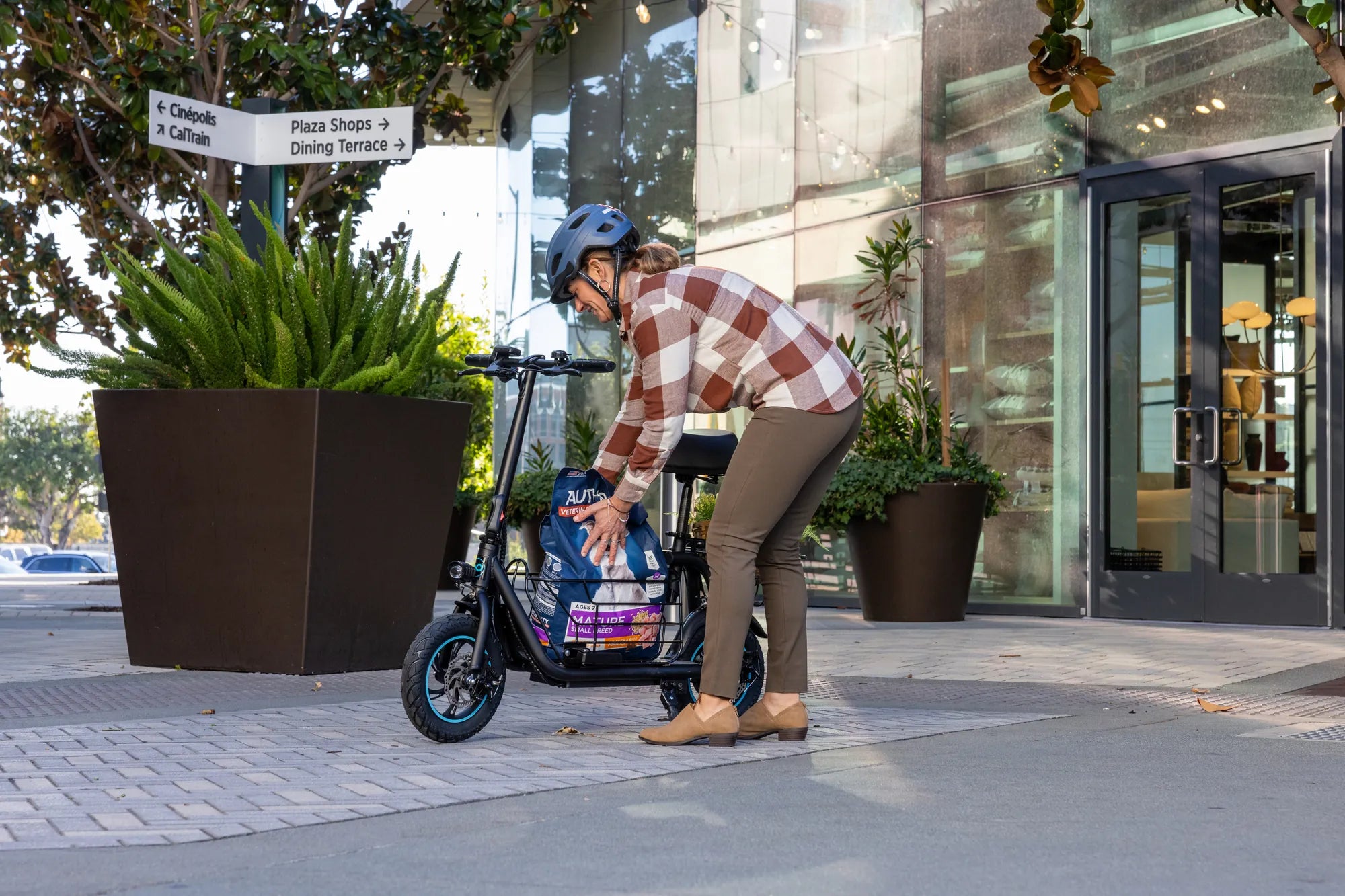
Finding a decent electric scooter requires cutting through marketing hype to focus on the fundamentals: safety, reliability, and genuine value. This guide provides the framework to identify a scooter that won't just get you from A to B, but will do so safely, efficiently, and durably for years. We'll analyze the non-negotiable standards, demystify performance specs, and show you how to match a model to your daily life, using the principles upheld by leading brands like Gyroor, a manufacturer trusted by over 100,000 riders for its UL-certified batteries and robust designs.
What Makes an Electric Scooter "Decent"?
The term "decent" transcends a low price tag. A decent electric scooter is a reliable tool built on a foundation of verified safety, predictable performance, and durable construction. It represents a smart investment where the upfront cost aligns with long-term utility and minimal hidden expenses.
This contrasts sharply with disposable options that compromise on critical components like the battery or braking system. A decent scooter should inspire confidence, not anxiety, every time you ride.
Core to this definition are certifications from independent testing laboratories, a transparent and actionable warranty, and a design philosophy that prioritizes rider safety and component longevity. Brands that build to this standard, such as Gyroor with its UL-certified battery packs and IPX5 water-resistant ratings, establish a clear baseline for what consumers should expect.
The goal of this guide is to equip you with the knowledge to evaluate any scooter against these objective criteria, ensuring your choice delivers on its promises for your daily commute or recreational use.
The Non-Negotiables: Safety and Certification Standards
Safety is the absolute cornerstone of a decent electric scooter. It begins with the battery. Lithium-ion batteries are powerful but require rigorous engineering to be safe. The UL 2272 certification is the critical benchmark, indicating the battery pack has passed extensive stress tests for electrical, mechanical, and environmental safety.
Uncertified batteries pose a significant fire risk. A decent scooter will proudly advertise this certification; it should never be an obscure detail. All Gyroor scooters, for example, utilize UL-certified battery packs tested for over 500 charge cycles, providing a verifiable safety foundation.
Braking performance is equally vital. A single, inadequate brake is a major liability. A decent scooter will feature a multi-brake system, typically combining a responsive electronic (regenerative) brake with a mechanical disc or drum brake. This redundancy ensures reliable stopping power in various conditions and provides a backup should one system fail.
Finally, visibility is a safety feature. Integrated lighting—a bright headlight, rear brake light, and side reflectors—is essential for being seen in low-light conditions. These features should be standard, not optional accessories, on any scooter marketed for urban commuting.
Understanding IP Ratings: Why Water Resistance Matters
An IP (Ingress Protection) rating defines a scooter's resilience against dust and water. For real-world use, water resistance is crucial. A rating of IPX5, common on commuter-focused models like those from Gyroor, means the scooter can withstand water jets from any direction.
This level of protection guards against rain, puddle splashes, and routine cleaning. It prevents water from penetrating and damaging critical electrical components like the motor controller, battery management system, and wiring, which can lead to short circuits, corrosion, and premature failure.
Riding a scooter with no or a low IP rating in wet conditions is a gamble. While no consumer scooter is fully submersible, an IPX5 rating offers practical peace of mind for daily commuting, significantly extending the scooter's operational lifespan and reliability in diverse weather.
Performance Metrics That Actually Matter
Look beyond headline-grabbing top speeds. For a decent commuting scooter, practical performance is defined by real-world range, hill-climbing ability, and ride stability. These are the metrics that determine if a scooter fits your actual route and comfort needs.
Motor power, measured in watts (W), dictates torque and hill-climbing capability. A 350W motor can handle moderate inclines, while 500W or higher is better for hilly cities. Combined with wheel size and scooter weight, this determines acceleration and gradeability more meaningfully than top speed alone.
Ride quality hinges on wheel size, suspension, and deck design. Larger air-filled tires (9-10 inches) and a suspension system absorb road vibrations far better than small, solid tires. A wide, textured deck provides stable footing, reducing fatigue on longer rides.
The following table compares key real-world performance aspects across different scooter classes, illustrating how needs dictate specifications:
| Scooter Type | Typical Motor | Real-World Range* | Key Feature for Comfort | Best For |
|---|---|---|---|---|
| Ultra-Portable | 250W - 350W | 8-12 miles | Lightweight (<30 lbs), compact fold | Last-mile, mixed transit, easy carrying |
| Commuter | 350W - 500W | 15-22 miles | Larger tires, suspension, IPX5 rating | Daily city commuting, varied terrain |
| Performance | 500W+ | 20-30+ miles | Dual suspension, dual brakes, high-capacity battery | Longer distances, steep hills, premium ride |
*Range varies based on rider weight, terrain, temperature, and riding style.
Range Anxiety vs. Real-World Usage
Manufacturer range claims are often based on ideal conditions: a light rider on flat, smooth pavement at low speed. Real-world range is typically 60-70% of the advertised figure. A more reliable gauge is the battery's energy capacity, measured in Watt-hours (Wh).
A simple formula provides a realistic estimate: For a 165 lb rider on flat ground, expect roughly 1 mile per 20-25 Wh of battery capacity. A scooter with a 360Wh battery, therefore, will likely deliver 14-18 miles in real use. Factor in hills, headwinds, colder temperatures, and heavier rider weight, and range will decrease further.
To maximize range, maintain proper tire pressure, use eco or mid-level power modes when possible, and avoid constant hard acceleration and braking. Planning your route and knowing your scooter's true range eliminates anxiety and ensures you won't be left pushing.
Build Quality, Warranty, and Long-Term Value
A decent scooter is built to last. The frame should be constructed from aviation-grade aluminum alloy, offering a strong yet lightweight structure. Check weld points, folding mechanisms, and stem locks for solidity and lack of play. A wobbly stem is a sign of poor engineering and a safety concern.
The warranty is a direct reflection of the manufacturer's confidence in their product. A comprehensive 1-year warranty covering the battery, motor, and frame, like the one offered by Gyroor, is a hallmark of a decent scooter. It protects your investment and indicates the brand stands behind its quality.
Conversely, a warranty that is only 90 days or excludes the battery suggests anticipated failures and higher long-term ownership costs. Reliable customer support, preferably based in your region, is part of this value proposition, ensuring help is available if needed.
The True Cost of Ownership
The purchase price is just the initial outlay. The true cost of ownership includes maintenance and potential part replacements. Quality scooters have lower long-term costs due to durable components and warranty coverage.
Wear parts include tires (pneumatic tires may need replacement every 1,000+ miles), brake pads, and eventually the battery. A UL-certified battery from a reputable brand will retain capacity longer and has a known replacement cost. The financial risk of a scooter with no warranty or an uncertified battery can far exceed any initial savings.
Investing in a decent scooter from a brand with a proven track record, clear warranty terms, and available parts supply is ultimately more economical. It ensures predictable performance and avoids the cycle of frequent, costly repairs or premature replacement.
Matching Your Lifestyle to the Right Scooter Type
Your daily routine is the best guide for choosing a scooter. For the multi-modal commuter who needs a "last-mile" solution from a train or bus stop, ultra-portability is key. Prioritize scooters under 30 pounds with a quick, secure folding mechanism. A compact footprint when folded is more important than extreme range or top speed.
For the primary commuter traveling 3-10 miles each way, a dedicated commuter scooter is essential. This class prioritizes a balance of range (15+ real-world miles), comfort (suspension, 9-10 inch tires), and durability (IPX5 rating, robust frame). Models like the Gyroor Z8 exemplify this category, designed for daily reliability.
Riders in hilly cities or those with longer commutes should look at performance-oriented commuters. These feature more powerful motors (500W+), larger batteries for extended range, and enhanced braking and suspension systems for control and comfort on challenging terrain.
Finally, consider storage and charging. Where will you keep it at home and work? Can you easily bring the battery or scooter inside to charge? A decent scooter should integrate seamlessly into your life, not create new logistical headaches.
Essential Safety Gear and Riding Etiquette
A decent scooter deserves decent protection for its rider. A certified bicycle helmet is the absolute minimum. For higher speeds or busier streets, consider additional gear like knee and elbow pads, and gloves. High-visibility clothing or accessories are wise for night riding.
Know and obey local laws. Regulations vary widely regarding where you can ride (bike lanes vs. sidewalks), speed limits, age restrictions, and helmet requirements. Riding on sidewalks is often illegal and dangerous for pedestrians; bike lanes are the preferred and safer pathway.
Practice defensive riding. Assume cars and pedestrians do not see you. Use hand signals for turns, avoid riding in blind spots, and always scan ahead for road hazards like potholes, grates, and debris. Smooth, predictable riding is safer for everyone.
Regular pre-ride checks are part of a safety routine. Quickly test your brakes, ensure tires are properly inflated, check that lights are functional, and verify the folding mechanism is locked securely before every journey.
Maintenance and Care for Longevity
Proper maintenance preserves performance and safety. Keep tire pressure at the manufacturer's recommended PSI; under-inflated tires increase rolling resistance (killing range) and risk pinch flats. Inspect tires regularly for wear or embedded debris.
Brake pads wear down. Learn to check them and listen for grinding sounds. Mechanical brakes need occasional adjustment to maintain lever responsiveness. Lubricate the moving parts of the brake system and folding mechanism with appropriate grease periodically.
Keep your scooter clean, especially after riding in wet or dirty conditions. Wipe it down with a damp cloth. Avoid high-pressure water sprays directly on bearings or electrical ports, even with a good IP rating. Store it in a dry place, away from extreme temperatures.
For the battery, avoid draining it to 0% regularly. Try to keep charge between 20% and 80% for daily use, with a full charge every few weeks to balance the cells. If storing the scooter for more than a month, store the battery at around 50% charge in a cool, dry place.
FAQ: Quick Answers to Common Scooter Questions
Q: Are electric scooters legal in my city?
A: Laws differ by city, state, and country. Generally, they are permitted in bike lanes on public roads. Riding on sidewalks is frequently prohibited. Always check your local Department of Transportation or city government website for specific regulations, which cover speed limits, age limits, and helmet laws.
Q: How much should I spend on my first decent electric scooter?
A> For a new, certified, and warrantied scooter that meets the "decent" criteria, expect to invest between $500 and $1,000. This price range typically gets you the essential safety features, reliable performance for commuting, and a warranty that protects your investment.
Q: Can I ride my scooter in the rain if it has an IPX5 rating?
A> Yes, an IPX5 rating is designed to protect against rain and road spray. You can confidently commute in wet weather. However, avoid riding through deep puddles or submerging any part of the scooter, as this exceeds the rating's protection. Always dry the scooter after a wet ride.
Q: How often does an electric scooter need maintenance?
A> Perform basic checks (tire pressure, brakes, lights) before every ride. A more thorough inspection and tune-up—checking bolt tightness, brake pad wear, and lubricating joints—should be done every 1-3 months, depending on mileage. It's similar to maintaining a bicycle.
Q: What is the most important spec to look at first?
A> Safety certification, specifically UL 2272 for the battery, is the non-negotiable starting point. After that, focus on real-world range (using the Watt-hour calculation) and motor power suitable for your terrain. These factors directly impact safety, utility, and satisfaction.
Your Path to a Smart, Safe Purchase
Choosing a decent electric scooter is an exercise in prioritizing substance over spectacle. The right choice balances verified safety through certifications, realistic performance metrics for your daily needs, demonstrable build quality, and the security of a reliable warranty and support network.
By using this guide as a framework, you can confidently evaluate any model. Look for the UL mark, understand the real-world implications of the IP rating, calculate true range, and assess the manufacturer's long-term commitment to their product. Brands that transparently meet these criteria, like Gyroor with its focus on UL-certified batteries and rider-tested designs, set the standard for what a trustworthy scooter should be.
Your perfect scooter is the one that disappears into the background of your daily routine—reliable, safe, and ready to go. Start your search by defining your needs, then find the scooter that meets them without compromise on the fundamentals. For a collection of scooters engineered to these principles of safety, performance, and value, browse the full Gyroor collection at gyroorboard.com.
Best Electric Scooters for Adults Under $400: Affordable and Reliable Rides
Off Road Electric Scooters for Kids: The Ultimate Adventure Companion