



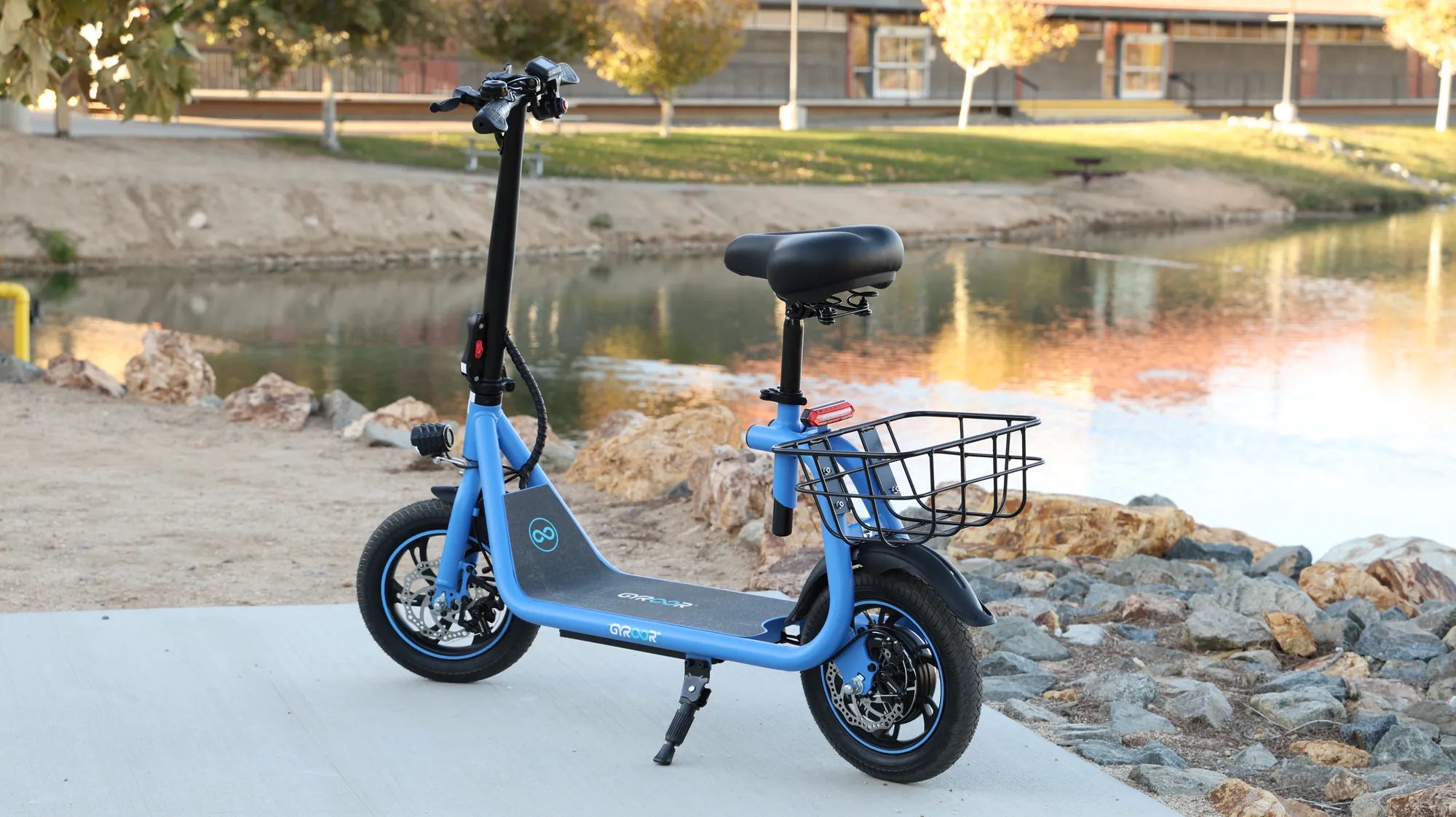
The demand for electric scooters is skyrocketing, and it's not hard to see why. As cities become more congested and environmental concerns grow, people are turning to compact, eco-friendly alternatives for their daily commutes. Electric scooters offer a perfect blend of convenience, affordability, and sustainability, making them a favorite among urban dwellers. But what’s really fueling this surge in demand? Let’s dive into the factors behind the electric scooter revolution.
The Rise of Urbanization and Traffic Congestion
With over half the world’s population now living in urban areas, cities are facing unprecedented levels of traffic congestion. Traditional transportation methods, such as cars and buses, are struggling to keep up. Electric scooters provide a nimble solution, allowing riders to weave through traffic and reach their destinations faster. Their compact size and agility make them ideal for short-distance travel, reducing reliance on fossil-fuel-powered vehicles.
Environmental Benefits Driving Adoption
Climate change is a pressing global issue, and consumers are increasingly seeking ways to reduce their carbon footprint. Electric scooters produce zero emissions during operation, making them a greener alternative to gas-powered vehicles. Cities worldwide are also incentivizing their use by implementing bike lanes and scooter-friendly infrastructure. As awareness of environmental issues grows, so does the demand for sustainable transport options like electric scooters.
Cost-Effectiveness and Affordability
Owning and maintaining a car is expensive, with costs for fuel, insurance, and parking adding up quickly. Electric scooters, on the other hand, are relatively affordable to purchase and maintain. Charging costs are minimal compared to gasoline, and many models require little upkeep. For budget-conscious commuters, electric scooters present a cost-effective alternative that doesn’t sacrifice convenience.
Technological Advancements and Smart Features
Modern electric scooters come equipped with advanced features like long-lasting batteries, regenerative braking, and smartphone connectivity. These innovations enhance the user experience, making scooters more reliable and enjoyable to ride. Improved battery technology has also extended their range, addressing one of the early limitations of electric scooters. As technology continues to evolve, we can expect even more enhancements that will further boost demand.
Challenges and Regulatory Hurdles
Despite their growing popularity, electric scooters face challenges, including safety concerns and regulatory restrictions. Some cities have imposed strict rules on where and how scooters can be used, while others have banned them altogether. Safety is another critical issue, as accidents involving scooters have raised questions about rider education and infrastructure. Addressing these challenges will be crucial for sustaining long-term growth in the industry.
The Future of Electric Scooters
The future looks bright for electric scooters, with projections indicating continued growth in demand. As cities invest in better infrastructure and technology improves, scooters will become an even more integral part of urban mobility. Shared scooter programs are also gaining traction, offering a flexible and affordable option for short trips. With their combination of environmental benefits, cost savings, and convenience, electric scooters are poised to revolutionize the way we move.
Ready to join the electric scooter movement? Whether you're looking to cut costs, reduce your carbon footprint, or simply enjoy a faster commute, there's never been a better time to hop on board. The demand for electric scooters is here to stay—don’t get left behind!
What Is E7 Error in Electric Scooter: Causes and Solutions
Electric Scooter Not Charging or Turning On: Troubleshooting Guide and Solutions