



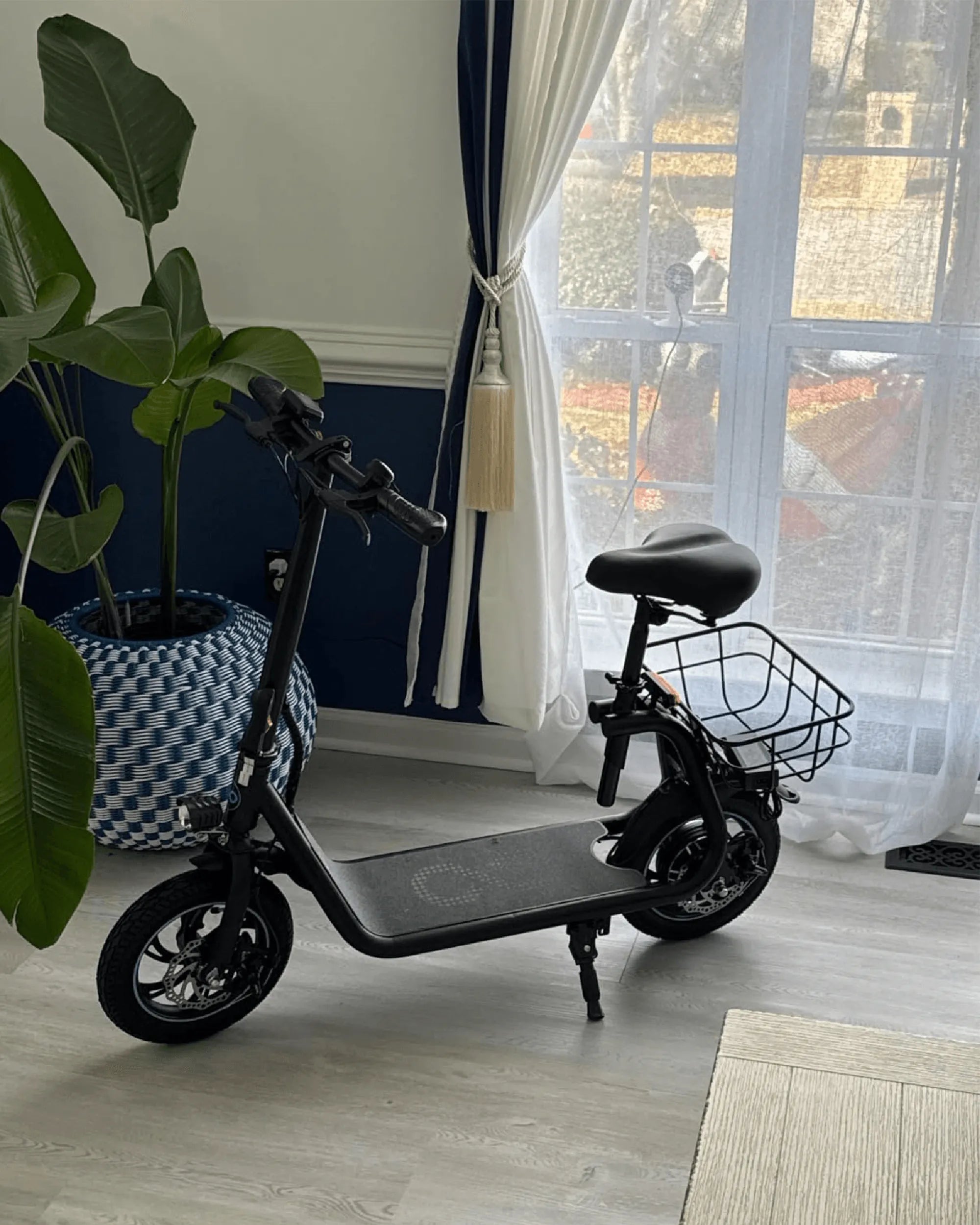
Understanding the Different E-Bike Classes: A Rider's Guide
Navigating the world of electric bikes begins with a single, critical framework: the class system. Understanding the different e bike classes is not just about top speed; it's the key to legal compliance, trail access, and finding the perfect match for your riding style. This guide will demystify the three-class system predominant in North America, providing the data-driven insights you need to make an informed purchase and ride with confidence.
The classification of e-bikes creates order in a rapidly evolving market. It provides manufacturers, lawmakers, and riders with a common language based on motor function and performance caps. For you, the rider, this knowledge directly impacts where you can ride legally and what kind of experience you can expect.
Ignoring these classifications can lead to fines, denied trail access, or purchasing a bike unsuited to your primary use case. Whether you're a commuter, a trail enthusiast, or a casual cruiser, your journey starts by decoding these categories. The right class ensures your ride is not only fun but also fully sanctioned and safe.
Breaking Down the Three-Class System
The widely adopted three-class system categorizes electric bicycles based on two core parameters: how the motor is activated and its maximum assisted speed. This system, championed by PeopleForBikes and enacted into law by most U.S. states, provides a clear regulatory baseline. It's essential to understand that these are legal definitions, not just marketing terms.
At its heart, the system distinguishes between pedal-assist (where the motor only provides power while you pedal) and throttle-operated bikes (where a twist-grip or thumb lever provides power independently). The speed limits—20 mph or 28 mph—further define where these bikes can be operated. This creates three distinct profiles of electric bicycles.
The following table provides a clear, at-a-glance comparison of the core characteristics that define each of the different e bike classes. This data is foundational for understanding their capabilities and legal standing.
| Class | Motor Activation | Max Assisted Speed | Typical Power (Watts) | Common Legal Treatment |
|---|---|---|---|---|
| Class 1 | Pedal-Assist Only | 20 mph | 250W - 750W | Treated as a bicycle; allowed on bike paths & trails. |
| Class 2 | Throttle & Pedal-Assist | 20 mph | 250W - 750W | Often treated as Class 1; throttle use may be restricted on some paths. |
| Class 3 | Pedal-Assist Only (typically) | 28 mph | 500W - 750W+ | Often restricted from bike/pedestrian paths; may require helmet, age 16+. |
This framework is your starting point. However, the real-world application involves nuances in local law and matching the machine to your specific needs. The different e bike classes serve fundamentally different purposes, which we will explore in detail.
Class 1: Pedal-Assist Pedalers
Class 1 e-bikes are defined by their seamless integration of human and electric power. The motor provides assistance only when you are actively pedaling, cutting out precisely at 20 mph. This design philosophy prioritizes a natural, bicycle-like feel, amplifying your pedaling effort rather than replacing it.
From a legal and access standpoint, Class 1 models enjoy the broadest acceptance. They are generally permitted anywhere a traditional bicycle is allowed, including multi-use trails, bike paths, and public roads. This makes them the preferred class for mountain bikers and trail riders, as many natural surface trails explicitly allow only Class 1 e-MTBs.
The ideal rider for a Class 1 e-bike is a fitness enthusiast or commuter who wants to extend their range, tackle hills with ease, and reduce sweat on the way to work, all while maintaining an active riding experience. They are perfect for those who view the electric assist as a tool for going farther and faster under their own power, not for eliminating pedaling altogether. The different e bike classes offer distinct experiences, and Class 1 is the purest hybrid of cycling and electric boost.
Class 2: Throttle-Enabled Convenience
Class 2 e-bikes add a crucial layer of flexibility: a throttle. These bikes offer full pedal-assist modes that function like a Class 1, but they also feature a throttle (usually twist or thumb-operated) that can propel the bike up to 20 mph without any pedaling required. This dual-mode capability defines their utility.
Legally, Class 2 e-bikes are often grouped with Class 1 in state statutes, meaning they are allowed on bike paths and trails. However, local ordinances or specific trail governing bodies frequently restrict the *use of the throttle* on soft-surface or multi-use paths, requiring pedal-assist only in those areas. It is critical to check these local rules.
This class is ideal for new riders seeking confidence, individuals with mobility considerations or joint issues, and urban riders who value the throttle for effortless starts from traffic lights or navigating stop-and-go city traffic. The throttle provides a safety benefit by enabling quick, controlled acceleration from a standstill. For many, the different e bike classes present a clear winner in versatility, and Class 2 often takes that crown.
Class 3: Speed Pedelecs for Commuters
Class 3 e-bikes, often called "speed pedelecs," are designed for efficiency and keeping pace with urban traffic. They provide pedal-assist up to 28 mph, with the motor cutting out at that higher speed. Some Class 3 models may include a throttle, but if so, it is typically limited to Class 2 speeds (20 mph) to comply with the legal definition.
The increased performance comes with increased regulation. Most jurisdictions prohibit Class 3 e-bikes from traditional bike paths and multi-use trails shared with pedestrians. They are intended for use on roadways or dedicated bicycle lanes. Common legal requirements include a speedometer, a helmet mandate for all riders, and a minimum rider age (often 16 or 18).
The target user for a Class 3 e-bike is the serious commuter with a longer daily distance (10+ miles), a delivery rider, or any cyclist who needs to blend safely with 25-35 mph city traffic. The higher sustained speed significantly reduces commute times. When evaluating the different e bike classes for utilitarian purposes, Class 3 is the tool for maximum efficiency on paved roads.
Beyond the Basics: Class Considerations and Nuances
Choosing between the different e bike classes involves more than comparing specs on a table. Practical implications around local legality, intended use, and necessary safety gear are paramount. A deeper understanding of these nuances ensures your choice aligns with reality, not just theory.
Your riding environment and personal goals should dictate your class selection, not the other way around. A misalignment here is the most common source of post-purchase regret. Investing time in this analysis is as important as test-riding the bike itself. The different e bike classes are tools, and you must select the right tool for the job you actually do.
Legal Landscape: It's Not Just Federal
A critical mistake is assuming e-bike laws are uniform. Regulation is a complex patchwork of state, county, and municipal rules. While over 40 states have adopted a version of the three-class system, the specifics—where each class can ride, helmet laws, age restrictions—vary significantly. Always consult your state's vehicle code.
Furthermore, local land managers have ultimate authority. A state may permit Class 2 e-bikes on "bike paths," but a city park district or a county forest preserve can prohibit them on their specific trails. Always look for posted signage and consult official trail maps and websites before riding. Some regions, like New York City, have their own unique and restrictive e-bike ordinances.
In Europe and other regions, a different regulatory model based strictly on motor power (250W) and speed (25 km/h or ~15.5 mph) is common, which aligns roughly with a slower version of a Class 1 e-bike. Understanding these geographic nuances is essential for travel or international purchases. The different e bike classes are a starting point, but local law is the final word.
Matching the E-Bike Class to Your Riding Style
To make an informed decision, honestly assess your primary use case. Here is a practical rider-profile matrix to guide you through the different e bike classes:
- The Weekend Trail Explorer: You seek access to dirt paths, forest trails, and mountain bike parks. Best Class: Class 1. Its universal trail access and natural pedal-assist feel are unmatched for off-road recreation.
- The Urban Car-Replacer: Your e-bike is for daily commuting, errands, and navigating city streets, often in traffic. Best Class: Class 3 (or Class 2). A Class 3's 28 mph speed matches traffic flow for safer, faster commutes. A Class 2 offers throttle convenience for frequent stops.
- The Leisure Park Cruiser: Your rides are for relaxation on paved paths, boardwalks, and low-speed environments. Best Class: Class 1 or Class 2. Both provide ample assistance for casual riding. Choose Class 2 if you appreciate the option to use a throttle for effortless cruising.
- The New or Mobility-Conscious Rider: You want confidence, easy starts, and the option to rest your legs. Best Class: Class 2. The throttle is a game-changer for building confidence and managing fatigue or physical limitations.
Safety and Gear Recommendations by Class
As speed and potential risk increase across the different e bike classes, so should your investment in protective gear. A helmet is non-negotiable for all classes and is legally required for Class 3 riders in most areas. However, the type of helmet matters.
For Class 1 and 2 riding, a standard bicycle helmet (CPSC certified) is the baseline. For Class 3 riding at higher speeds, consider a helmet with more coverage, such as an urban or commuter-style helmet. Some Class 3 riders opt for light motorcycle-style helmets (DOT certified) for enhanced protection, though they are heavier.
Additional safety gear scales with class and riding environment. Bright, visible clothing is advised for all, but becomes critical for Class 3 road riding. High-quality front and rear lights (not just reflectors) are essential, especially for commuters. Mirrors, audible horns or bells, and sturdy gloves are highly recommended upgrades for any rider, particularly those in the faster different e bike classes sharing roads with vehicles.
Why Gyroor's Commitment Matters Across All Classes
Regardless of which of the different e bike classes you choose, foundational safety and reliability should be universal. This is where Gyroor's engineering philosophy provides critical peace of mind. Trusted by over 100,000 riders across North America and Europe, Gyroor builds its electric bikes and scooters to rigorous standards that transcend class specifications.
Every Gyroor e-bike is powered by a UL-certified lithium-ion battery pack. This independent safety certification, achieved after testing for over 500 charge cycles, is a benchmark for fire and failure prevention that many brands overlook. This commitment ensures safety whether you're on a leisurely Class 2 cruise or a high-speed Class 3 commute.
Furthermore, Gyroor models feature IPX5 water-resistant designs, protecting critical electrical components from rain and splashes for all-weather reliability. This durability is backed by a comprehensive 1-year warranty with accessible, US-based customer support. When navigating the different e bike classes, choosing a brand that prioritizes certified safety and robust support lets you focus on the ride, not the risk.
Frequently Asked Questions (FAQ)
Q: Can I modify my e-bike to go faster than its class rating?
A: No. "Tuning" or modifying an e-bike to exceed its class-designated speed limit is illegal, voids the manufacturer's warranty (including Gyroor's comprehensive coverage), and creates severe safety risks. The motor, brakes, and frame are designed for specific performance parameters. Exceeding them compromises control and component integrity, increasing the risk of accident and liability.
Q: Do I need a license, registration, or insurance for any e-bike class?
A> Under the standard three-class system in the U.S., no driver's license, vehicle registration, or special license plate is required. However, insurance is strongly recommended, especially for higher-value Class 3 e-bikes. Homeowner's or renter's insurance may offer some coverage, but a dedicated personal electric vehicle insurance policy provides the best protection against theft, damage, and liability.
Q: How do I know what class a specific Gyroor e-bike is?
A> The class is a core specification listed clearly on every Gyroor e-bike product page. For example, a commuter-focused model like the Gyroor C3 is a Class 3 e-bike with pedal-assist up to 28 mph, while a comfortable cruiser model like the Gyroor S1 is a Class 2 e-bike featuring both throttle and pedal-assist up to 20 mph. Always verify the class before purchase.
Q: Are there any e-bike classes faster than Class 3?
A> Legally, no. In the U.S., a two- or three-wheeled vehicle with an electric motor that can propel it over 28 mph on level ground generally falls outside the e-bicycle definition and may be classified as a moped or motorcycle, requiring licensing, registration, and insurance. The different e bike classes are specifically designed to keep these vehicles accessible as bicycles.
Q: Can I ride a Class 3 e-bike like a Class 1 to access trails?
A> Technically, you could ride it using only pedal-assist and at lower speeds, but its classification is based on its capability, not how you use it. If a trail is posted "Class 1 E-Bikes Only," a Class 3 e-bike is prohibited regardless of rider behavior. The different e bike classes are legal definitions of the vehicle itself.
Choosing Your Path Forward
Understanding the different e bike classes is the most important first step in your electric biking journey. It empowers you to choose a bike that fits not only your desire for speed or convenience but also the legal framework of your community and the demands of your favorite routes. The right class unlocks a seamless, enjoyable, and responsible riding experience.
Your decision should balance three factors: your local laws, your primary riding environment, and your personal physical needs and goals. Whether you choose the trail-friendly Class 1, the versatile Class 2, or the efficient Class 3, prioritize models built with certified safety at their core. With this knowledge, you are ready to explore with confidence.
Discover a range of well-engineered e-bikes designed with clarity and safety across the different e bike classes. Browse the full UL-certified, feature-rich Gyroor collection at gyroorboard.com to find the perfect electric bike for your next adventure.
How Much Is a Kids Dirt Bike? A Complete 2024 Price & Buyer's Guide
Best E-Bike for 12 Year Old Boy: A 2024 Safety & Performance Guide