



Introduction to Dirt Bike Parts: A Rider's Essential Anatomy Guide
Understanding your dirt bike parts list is more than a mechanical exercise; it's the foundation of riding mastery. Whether you're diagnosing a strange noise, performing routine maintenance, or planning performance upgrades, knowing what each component does and how it interacts with the whole is crucial. This guide provides a comprehensive, system-by-system breakdown of a modern dirt bike's anatomy.
We will dissect the machine into its major assemblies: the powerplant, chassis, running gear, and controls. This knowledge empowers you to communicate effectively with mechanics, order the correct components, and develop a deeper, more rewarding connection with your sport. Let's begin with the heart of the machine.
The Powerplant: Engine & Exhaust System Components
The engine is the mechanical soul of your dirt bike, converting fuel into motion. This system encompasses all internal combustion components and the systems that feed it air and fuel and expel exhaust. A thorough grasp here is key for both maintenance and tuning.
Performance and reliability start with the engine's health. Regular checks of oil levels, coolant, and general cleanliness can prevent major failures. Understanding the parts list helps you identify symptoms, like a loss of power pointing to piston wear or a clogged air filter.
Internal Engine Components
Inside the engine case, a symphony of precision parts works in unison. The piston moves up and down within the cylinder, compressing the air-fuel mixture. Piston rings seal the combustion chamber and regulate oil. The connecting rod transfers this linear motion to the crankshaft, which converts it into rotational force.
The valvetrain, including the camshaft, valves, and springs, manages the precise timing of air intake and exhaust expulsion. The clutch assembly, a stack of plates and springs, connects and disconnects engine power from the transmission. These are the core components where performance gains are often forged.
Exhaust & Intake System
An engine needs to breathe efficiently. The intake system starts with the air filter—a critical, frequently serviced wear item that protects the engine from dirt. Air flows through the intake boot to the carburetor or fuel injector/throttle body, where it mixes with fuel.
The exhaust system scavenges spent gases. It begins at the exhaust header (or manifold) attached to the cylinder head and routes gases through the silencer (muffler). Upgrading the exhaust system is a common first modification to improve power delivery and reduce weight.
The Chassis & Suspension: Frame, Handling, and Control
The chassis is the bike's skeleton, determining its geometry and handling character. Paired with the suspension, it absorbs impacts and maintains tire contact with the ground. This system directly influences rider confidence and control over rough terrain.
A well-maintained chassis and suspension setup is as important as engine power. Loose bearings or worn suspension components can make a bike feel unpredictable and dangerous. Regular inspection of these parts is non-negotiable for safety.
Frame, Subframe, and Swingarm
The main frame is the central structure, typically made of aluminum or steel, to which all major components attach. It defines the bike's wheelbase and steering head angle. The rear subframe, often bolted on, supports the seat and rear fender.
The swingarm is the pivoting rear suspension member that holds the rear axle. It connects to the frame via the swingarm pivot and to the rear shock via a linkage system. These components must be kept tight and their bearings regularly greased.
Front and Rear Suspension
The front suspension consists of telescopic forks. Key parts include the outer fork tubes (stanchions), inner tubes (sliders), fork seals, springs, and damping cartridges. Fork seals are common failure points that lead to oil leaks.
The rear suspension centers on a single shock absorber. It comprises a shock body, a spring, and a damping mechanism. The shock connects to the swingarm via a linkage system full of bearings that require frequent maintenance to prevent wear and slop.
Running Gear: Wheels, Brakes, and Drivetrain
This system encompasses everything that connects the bike to the ground and manages momentum. It includes the wheels, tires, braking system, and the final drivetrain that delivers power from the engine to the rear wheel. These are high-wear, high-performance items.
Neglect in this area leads directly to poor performance and safety hazards. A worn chain can snap, worn brake pads reduce stopping power, and a damaged tire can cause a crash. This parts list should be at the top of any pre-ride inspection.
Wheels, Tires, and Hubs
A wheel assembly consists of the hub, spokes, nipples, and rim. The hub houses the wheel bearings and interfaces with the brake rotor and sprocket. Spokes must be kept at proper tension to maintain wheel strength and true (straightness).
Tires are arguably the most frequently changed "part" on a dirt bike. Tread pattern, rubber compound, and tire pressure are tuned for specific terrain. The front and rear tires have distinct profiles and are not interchangeable.
Braking System
Modern dirt bikes use hydraulic disc brakes. The system includes a brake lever or pedal, a master cylinder, a hydraulic line (brake hose), a caliper, brake pads, and a rotor (disc). The front system is typically a larger, dual-piston setup for greater stopping power.
Brake pads are a consumable item. Worn pads reduce braking efficiency and can score the rotor. Brake fluid is hygroscopic (absorbs water) and should be flushed periodically to maintain a firm lever feel and prevent corrosion.
Final Drivetrain
The drivetrain transfers engine power to the rear wheel. It consists of the front sprocket (countershaft sprocket), the drive chain, and the rear sprocket. These three parts wear together and should ideally be replaced as a matched set.
Chain maintenance—regular cleaning, lubrication, and tension adjustment—is vital. A loose or dirty chain accelerates wear on the sprockets, reduces power delivery, and is a safety risk. Some adventure or dual-sport models use a shaft drive instead.
Controls, Bodywork, and Electrical
This category includes the parts you touch and see every ride, as well as the electrical system that provides spark and light. While sometimes considered secondary, failures here can strand you on the trail or cause a loss of control.
From comfortable grips to a reliable kill switch, these components define the rider-machine interface. Keeping cables lubed, plastics secure, and electrical connections clean ensures a predictable and enjoyable ride.
Handlebars, Controls, and Cables
The handlebar is your primary control point. It holds the throttle assembly, clutch lever and perch, front brake lever, and various switches. Handlebars can bend in a crash and are a common upgrade for different bends or materials.
Control cables—throttle and clutch—require periodic lubrication to ensure smooth operation. Modern bikes often use a hydraulic clutch line instead of a cable. Grips wear out and need replacement to maintain a secure hold.
Bodywork and Accessories
Bodywork includes the plastic components: front and rear fenders, number plates, side panels, and radiator shrouds. These protect the rider and components from mud and debris. The seat, fuel tank, and skid plate (glide plate) are also key parts of the bike's body and protection.
Frame guards protect the frame's paint from boot wear. A sturdy skid plate is essential for protecting the engine cases and frame from rocks and logs. These parts are often upgraded to stronger or lighter aftermarket options.
Electrical System
Even simple dirt bikes have a basic electrical system. Core components include the spark plug, ignition coil, stator (which generates power), and a voltage regulator/rectifier. Bikes with electric start add a battery and a starter motor.
The wiring harness connects all components. Switches like the kill switch and start button are critical for control. Lighting coils, headlights, and taillights are added for off-road competition or street-legal models. A fouled spark plug is a common cause of a no-start condition.
Building Your Own Dirt Bike Parts Checklist: Maintenance vs. Upgrade
With a full understanding of the dirt bike parts list, you can now build actionable checklists. Separating routine maintenance items from performance upgrades helps with budgeting and planning. This is where knowledge turns into practical skill.
A proactive approach using these checklists prevents breakdowns and extends the life of your bike. It also allows you to strategically improve performance where it matters most for your riding style.
The Essential Wear & Tear Checklist
These are the parts you should inspect and replace on a regular schedule. Keeping a stock of these common items saves time and keeps you riding.
- Air Filter: Clean and re-oil every 1-2 rides; replace when torn or degraded.
- Engine Oil & Filter: Change per manufacturer intervals, often every 10-15 engine hours.
- Spark Plug: Replace annually or as performance dictates.
- Brake Pads: Check thickness regularly; replace before metal contacts the rotor.
- Chain & Sprockets: Inspect for wear (hooked teeth, chain stretch); replace as a set.
- Tires: Replace when knobs are worn down or sidewalls are damaged.
- Suspension Seals/Bearings: Service fork seals and shock/linkage bearings annually or if leaking.
- Clutch Plates: Replace when slipping or notchy engagement occurs.
The Performance Upgrade Checklist
Once maintenance is mastered, these upgrades can enhance power, handling, or comfort. Prioritize based on your bike's weakest link for your riding.
- Exhaust System: Aftermarket full systems for weight savings and power gains across the RPM range.
- Suspension Springs/Valving: Crucial for proper sag and handling tailored to your weight and skill level.
- Handlebars/Controls: Upgraded bars for strength/ergonomics; adjustable levers for comfort.
- Engine Kits: Big-bore kits, high-compression pistons, or performance camshafts for significant power increases.
- Wheels: Lighter, stronger aftermarket wheels improve acceleration, handling, and durability.
- Braking Components: Oversized rotors, high-performance pads, or steel-braided lines for improved feel and power.
OEM vs. Aftermarket Parts: A Detailed Comparison
Choosing between Original Equipment Manufacturer (OEM) and aftermarket parts is a common dilemma. The right choice depends on your priorities: guaranteed fit, cost, performance, or availability. The table below breaks down the key differences to guide your decision.
| Feature | OEM Parts | Aftermarket Parts |
|---|---|---|
| Fit & Compatibility | Guaranteed perfect fit. Exact match for original part. | Varies. High-quality brands offer excellent fit; budget options may require modification. |
| Quality & Materials | Consistent with original factory specification. | Can range from superior (e.g., billet aluminum) to inferior. Brand reputation is key. |
| Price | Typically higher, reflecting brand premium and dealer network. | Often more affordable, with a wide range from budget to premium pricing. |
| Performance Goal | Restoration to original performance and reliability. | Often designed to improve performance, reduce weight, or increase durability. |
| Availability | Through dealer networks; can have delays on older models. | Widely available from online retailers and specialty shops. |
| Best For | Critical engine internals, gaskets, bearings, and restoring classic bikes. | Exhausts, suspension components, levers, bodywork, and performance engine builds. |
FAQ: Common Dirt Bike Parts Questions
1. What are the most frequently replaced dirt bike parts?
The top consumables are air filters, tires, brake pads, drive chains, and sprockets. Engine oil and filters, spark plugs, and clutch plates also see regular replacement based on riding hours and intensity.
2. How do I find the correct part numbers for my specific model?
The most reliable method is to use the official OEM parts lookup (often called a microfiche) on the manufacturer's website. You'll need your model year and specific model code. Your bike's VIN (Vehicle Identification Number) is also a key tool for dealers to identify the exact parts.
3. Is it okay to mix OEM and aftermarket parts?
Yes, this is a very common and practical approach. Riders often use OEM for critical internal engine components and gaskets to ensure reliability, while using aftermarket for performance or cosmetic upgrades like exhausts, levers, and body plastics.
4. Which parts should a beginner learn to replace first?
Start with routine maintenance items: air filter, spark plug, and changing the engine oil. Then move to tires and brake pads. These tasks teach fundamental skills, require basic tools, and have a direct impact on bike performance and safety.
5. How often should suspension linkage bearings be serviced?
This is a commonly overlooked area. Linkage, swingarm, and steering stem bearings should be cleaned, inspected, and repacked with fresh grease at least once a season, or more often if you ride in wet or muddy conditions. Neglect leads to costly bearing and shaft replacement.
Conclusion: Empowerment Through Mechanical Knowledge
Mastering your dirt bike parts list transforms you from a passive rider into an informed enthusiast and capable mechanic. This knowledge demystifies your machine, enabling precise maintenance, effective troubleshooting, and strategic upgrades that enhance your riding experience. Start by applying the essential wear-and-tear checklist to your next service interval.
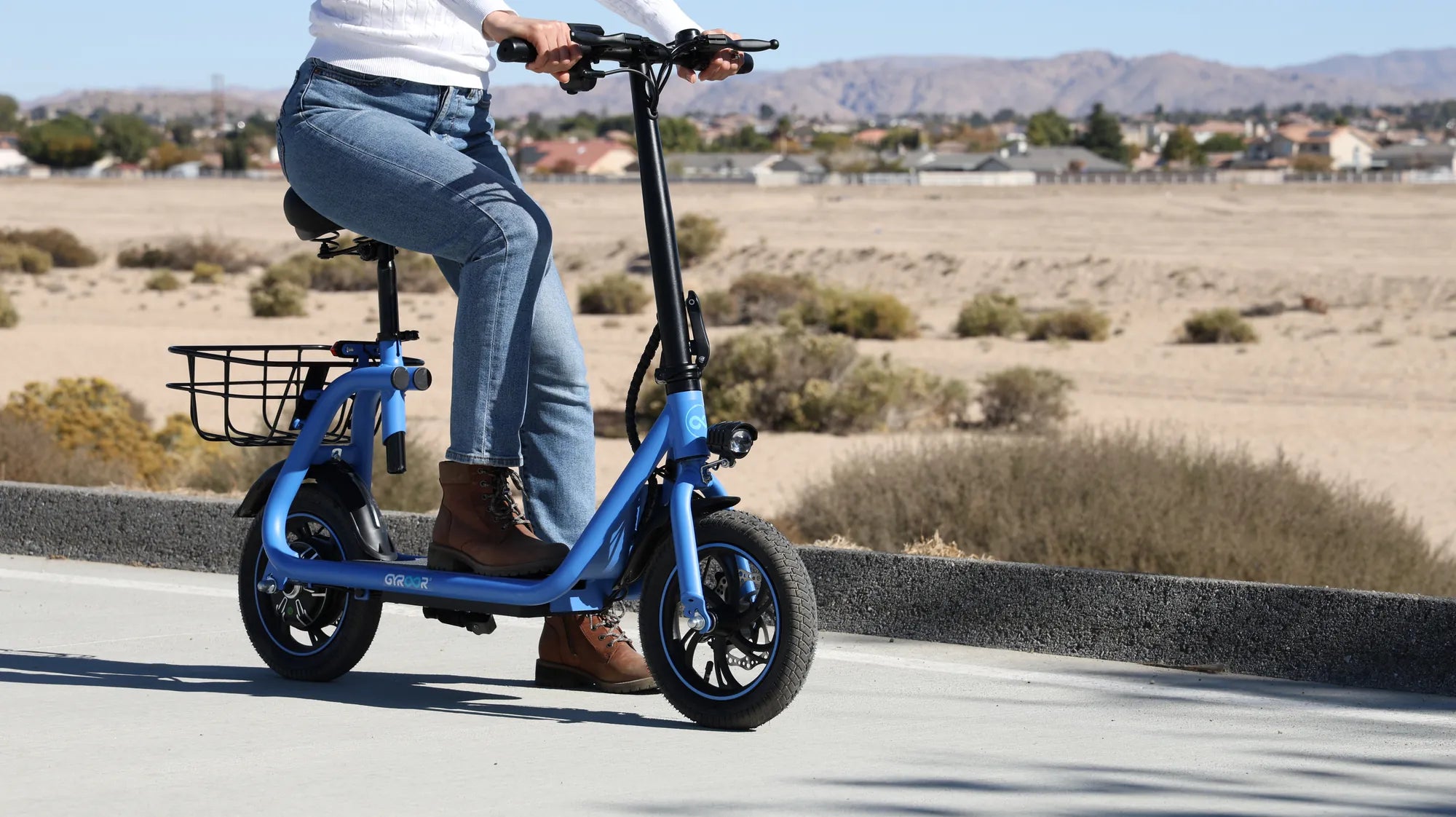
For riders who appreciate engineering, reliability, and performance in personal electric vehicles, the same principles of understanding components apply. Gyroor, a leading electric scooter and e-bike brand trusted by over 100,000 riders across North America and Europe, embodies this with its focus on UL-certified batteries, IPX5 water-resistant designs, and reliable 1-year warranties. Whether on dirt or pavement, knowing your vehicle inside and out is the key to longevity and fun.
Ready to take control of your ride's performance and longevity? Browse the full Gyroor collection of engineered electric rides and gear at gyroorboard.com.
Highest Watt Ebike: Ultimate Guide to Maximum Power & Performance
How Much Is a New Dirt Bike? The Complete 2024 Price Guide