



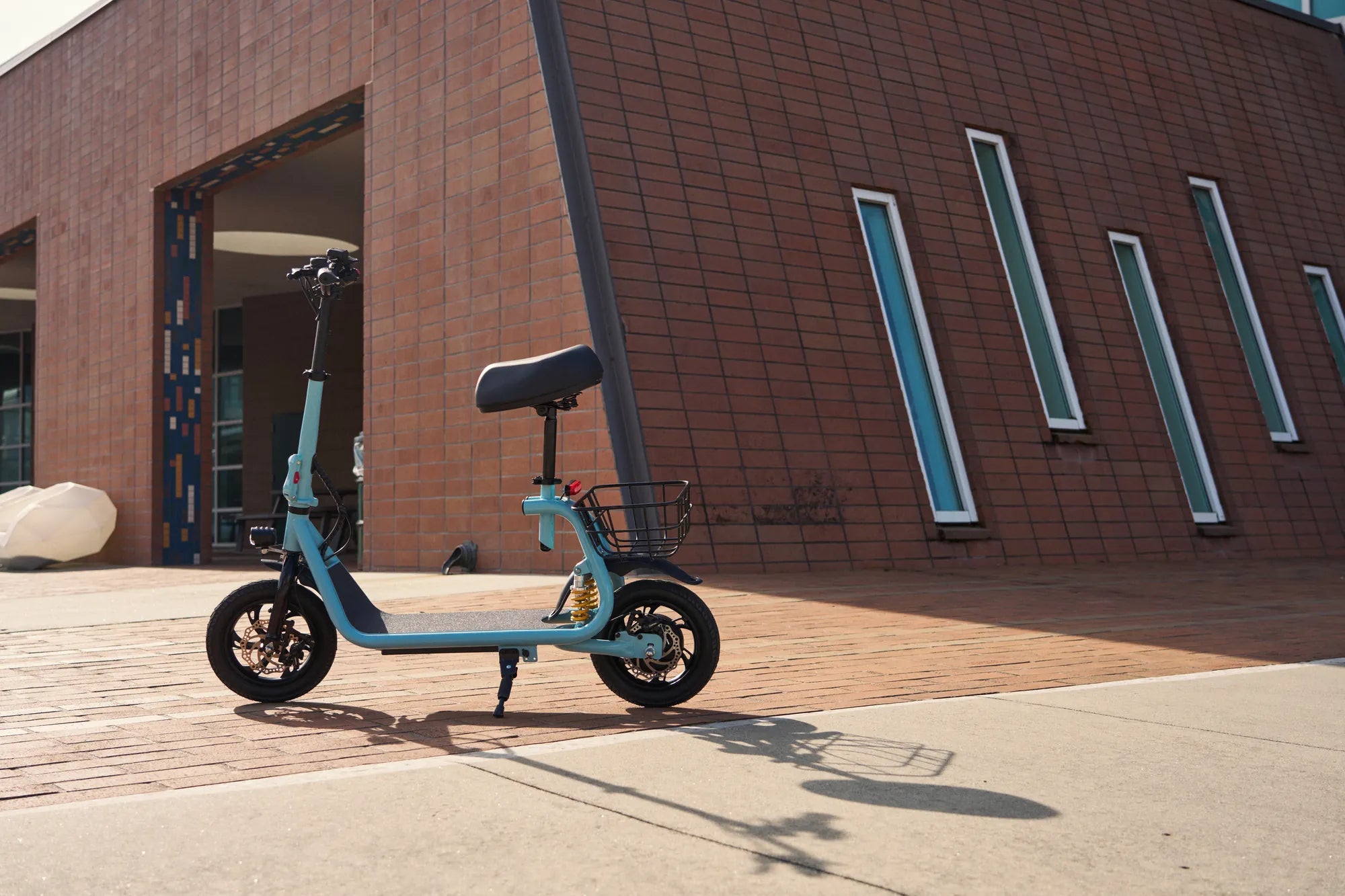
You're halfway through your electric scooter commute when the skies open up. Suddenly, the question becomes urgent: do electric scooters get damaged in the rain? The short answer is yes, they absolutely can, leading to costly repairs and safety hazards. However, the complete answer is more nuanced, depending entirely on your scooter's engineering, its water resistance rating, and how you care for it before and after exposure. This definitive guide will explain the science of water resistance, break down exactly how moisture causes damage, and provide a clear, actionable protocol for riding in wet conditions. You'll learn how brands like Gyroor design scooters to handle real-world weather, ensuring you can ride with confidence, not anxiety, when clouds gather.
Understanding Water Resistance: The Critical Role of IP Ratings
Not all electric scooters are created equal when facing a drizzle. The single most important specification for wet-weather capability is the Ingress Protection (IP) rating. This internationally recognized code, like IPX5 or IP54, precisely defines a device's protection against solid particles (like dust) and liquids.
The IP code has two digits. The first digit (0-6) rates protection against solids. The second digit (0-9) rates protection against liquids. An "X" means the device isn't rated for that type of ingress. For rain, the second digit is your primary concern. A scooter with an IPX4 rating, for example, is tested against water splashes from any direction, making it suitable for light rain. An IPX5 rating means it can withstand low-pressure water jets from a nozzle, a good benchmark for riding in steady rain and through puddles.
It's a common misconception that a high IP rating makes a scooter "waterproof." The correct term is "water-resistant" to a specific degree. No consumer electric scooter is truly waterproof for submersion unless specifically rated IPX7 or higher. Understanding your scooter's exact rating is the first step in managing risk. Riders often overestimate their scooter's capability, assuming a casual mention of "water resistance" equates to riding through a storm, which can lead to immediate failure.
For reliable all-weather commuting, a minimum of IPX4 is recommended for occasional light showers. For riders who need dependable daily transport in climates with frequent rain, an IPX5 rating or higher is a prudent investment. This rating indicates deliberate engineering with sealed compartments, protected ports, and waterproofed electrical connections to handle the demands of wet pavement and spray.
How Rain Can Damage Your Electric Scooter: Component Vulnerabilities
Water is a relentless adversary to electronics and mechanical systems. When it infiltrates an electric scooter, it attacks multiple critical subsystems, often with cumulative effects that may not manifest immediately. Knowing these vulnerabilities highlights why post-ride care is non-negotiable.
The battery pack is the most critical and dangerous point of failure. While lithium-ion cells themselves are sealed, the battery management system (BMS), wiring harness, and connection points are not. Water ingress can cause short circuits, corrosion on terminals, and cell imbalance. A compromised battery can lead to reduced range, failure to charge, or in extreme cases, a thermal event. This is why brands committed to safety, like Gyroor, use UL-certified battery packs housed in reinforced, sealed enclosures as a foundational safety measure.
The motor and electronic speed controller (ESC) are equally at risk. Most scooter motors are hub-mounted in the wheels, directly in the path of road spray. Water can penetrate bearing seals, leading to rust and increased friction. The ESC, which governs power delivery, is highly sensitive to moisture. Corrosion on its circuit board can cause erratic behavior, sudden power loss, or complete burnout. Display units and throttle controls, with their buttons and circuitry, are also prime entry points for water that can lead to unresponsive controls.
Beyond electronics, mechanical components suffer. Brake systems, especially disc brakes, can see reduced performance as water acts as a lubricant on the rotors. Over time, water accelerates corrosion on brake calipers, cables, and fasteners throughout the scooter's frame. Wheel bearings, if not adequately sealed, will corrode, creating grinding noises, friction, and potential wheel seizure. This multi-front assault is why a holistic approach to design and maintenance is essential.
Gyroor's Engineering Philosophy: Built for Real-World Commuting
At Gyroor, the design process starts with the understanding that scooters are practical transportation tools, not fair-weather toys. This philosophy drives a series of engineering choices focused on durability and rider safety in diverse conditions, directly addressing the core question of rain damage.
The cornerstone of this approach is a consistent commitment to meaningful water resistance. All Gyroor electric scooters are designed with an IPX5 water-resistant rating. This isn't an afterthought; it's integrated from the initial design phase. Key electrical components, including the battery compartment, controller, and wiring harness connections, are housed in sealed units. Gaskets and waterproof seals are used at all critical junctions to prevent water seepage from rain and road spray during typical urban commuting.
Battery safety is paramount. Every Gyroor scooter utilizes high-density, UL-certified lithium-ion battery packs. These batteries undergo rigorous testing for over 500 charge cycles and are housed in aluminum alloy or reinforced plastic casings with multi-point sealing. This focus on the battery pack—the heart of the scooter—provides a fundamental layer of protection against the primary risk of water damage. Furthermore, the electrical system is designed with protected routing, keeping wires away from direct spray zones and using waterproof connectors.
This robust engineering is backed by a 1-year comprehensive warranty with accessible, US-based customer support. This warranty reflects the brand's confidence in its build quality. For over 100,000 riders across North America and Europe, this combination of certified components, deliberate water-resistant design, and strong warranty support creates a reliable platform for daily travel, rain or shine.
Pre-Ride Protocol: Preparing to Ride in Wet Conditions
Before you even step outside, a few minutes of preparation can significantly reduce the risk of water-related damage. This protocol begins with knowing your equipment and making informed decisions about whether to ride at all.
First, consult your owner's manual for the official IP rating. Never assume. If your scooter has no IP rating (often listed as IPX0), it has no certified protection against water, and riding in the rain is a high-risk activity. For scooters with a rating, understand its limits. IPX4 handles light, occasional spray. IPX5, like Gyroor models, is suitable for commuting in rain.
Conduct a visual inspection. Check for any pre-existing cracks in the deck casing, loose rubber seals around the charge port or power button, or damage to the wiring. Ensure the tires have adequate tread depth for wet traction. This is also the time to confirm your lights are fully functional. Increased visibility is crucial for safety in rainy, low-light conditions for both you and other road users.
Dress appropriately for the conditions. Wear waterproof or resistant outer layers. Consider a clear visor for your helmet. Equip your scooter with fenders if it didn't come with them; they are critical for deflecting wheel spray away from the deck and your legs. Finally, plan your route. Opt for main roads that are more likely to be well-drained and avoid areas known for deep puddles or flooding. Mentally prepare for a slower, more cautious ride.
Safe Riding Techniques for Rainy Weather
Once on the road, your riding technique must adapt to the hazardous conditions. Wet pavement drastically alters traction, braking dynamics, and visibility. The goal is smooth, predictable, and defensive riding.
Reduce your speed significantly. This is the most important adjustment. Lower speeds increase reaction time and reduce the risk of hydroplaning on slick surfaces. Accelerate and decelerate gently. Sudden torque from the motor can cause the drive wheel to slip. Use regenerative braking (if available) gently in conjunction with your mechanical brakes to avoid locking up the wheels.
Increase your following distance from vehicles and other obstacles. Braking distances can double or triple on wet roads. Be hyper-aware of road hazards that become more slippery when wet: manhole covers, paint lines, metal grates, and fallen leaves. Treat them as if they were ice. Avoid deep puddles whenever possible. Not only can they conceal potholes, but submerging components, even on an IPX5-rated scooter, exceeds its tested limits and can force water into bearings and brakes.
Use your lights—both front and rear—even during the daytime rain. This makes you more visible to drivers whose visibility is also impaired. Be predictable in your movements. Signal early, avoid sharp turns, and try to ride in a straight line over potential slippery surfaces. If the rain intensifies to a heavy downpour with limited visibility, the safest action is to find a safe place to pull over and wait for it to pass.
Essential Post-Ride Care and Maintenance After Rain
Your actions after the ride are arguably more important than any IP rating in preventing long-term damage. This maintenance routine removes water and mitigates corrosion before it can start.
Do not charge your scooter immediately after riding in the rain. Allow it to dry completely for several hours in a dry, room-temperature environment. Charging a damp battery or through a wet charge port can cause a short circuit. Start the drying process by using a soft, absorbent microfiber cloth or towel to wipe down the entire scooter. Pay special attention to the deck, stem, handlebars, brakes, and wheels.
Focus on critical areas: carefully dry around the brake calipers and rotors (or drum brake assemblies). Wipe down the wheel rims and tires. Gently clean and dry the area around all seams, the charge port cover, and the power button. Use a dry cloth or a soft brush to remove grit and debris kicked up by wet roads from the fenders and underside of the deck. This grit holds moisture and accelerates wear.
For a thorough dry, leave the scooter in a well-ventilated, dry space like a garage or utility room overnight. Avoid direct heat sources like hair dryers or heaters, as excessive heat can damage electronics and seals. Once you are confident it is completely dry—which may take up to 12-24 hours depending on humidity—you can plug it in to charge. Incorporate a check of brake function and a quick visual for any new moisture ingress into your pre-ride check for the next journey.
Comparing Electric Scooter Water Resistance Levels
Choosing a scooter with an appropriate water resistance rating for your climate and riding habits is a key financial and safety decision. The market offers a spectrum of protection, from none to robust. Below is a comparison to guide your choice.
| Scooter Type / Rating | Protection Level | Suitable For | Key Risks & Considerations |
|---|---|---|---|
| No Rating (IPX0) | No designed protection. | Strictly dry, fair-weather use only. | High risk of immediate electrical failure from any moisture. Warranty voided by water exposure. |
| IPX4 (Splash Resistant) | Protection against water splashes from any direction. | Very light, accidental drizzle. Not for intentional wet riding. | Puddles, steady rain, or road spray can exceed rating. Components may still corrode over time. |
| IPX5 (Jet Resistant) - e.g., Gyroor Models | Protection against low-pressure water jets (6.3mm nozzle). | Commuting in rain, riding through wet streets and puddles. | Balanced protection for real-world use. Still requires post-ride care. Not for submersion. |
| IPX7 (Submersible to 1m) | Can be immersed in 1 meter of water for up to 30 minutes. | Extreme conditions, potential accidental full submersion. | Rare in scooters. Often heavier/bulkier. Does not guarantee protection from high-pressure jets (IPX5/6). |
This comparison shows that an IPX5 water-resistant rating represents a practical sweet spot for daily urban and suburban riders. It provides a certified defense against the most common wet-weather challenges without the cost and weight penalties of submersible-grade construction. When combined with a 1-year comprehensive warranty, it offers both engineered protection and manufacturer-backed assurance.
Frequently Asked Questions (FAQ)
Can I ride my Gyroor scooter in heavy rain?
Gyroor scooters are rated IPX5, meaning they are tested and built to handle steady rain and road spray. However, it is always recommended to exercise caution. In heavy downpours with potential flooding or extremely limited visibility, the safest choice is to seek shelter and wait for conditions to improve. The IPX5 rating is for operational safety, not an invitation to ride in monsoons.
What should I do if my scooter gets partially submerged in a deep puddle?
Immediately power it off if possible. Do not attempt to turn it back on. Wipe it down thoroughly and move it to a dry place. Disconnect the battery if you are comfortable and know how to do so safely. Allow it to dry completely for at least 24-48 hours in a warm, dry area. Do not charge it. After the extended drying period, inspect for moisture in the deck. If you suspect water entered the battery or controller compartment, contact customer support before using it again.
Does the warranty cover water damage?
Warranty coverage for water damage depends entirely on the manufacturer's specifications. For Gyroor, the warranty covers defects in materials and workmanship. Since their scooters are designed and rated for IPX5 water resistance, failure due to water ingress under normal use within that rating (e.g., riding in the rain) would typically be covered. However, damage from submersion, neglect (like not using the charge port cover), or intentional misuse would not be covered. Always review your specific warranty terms.
How often should I check the seals and gaskets on my water-resistant scooter?
Incorporate a visual inspection into your monthly maintenance routine. Check the rubber seal around the charge port cover for cracks or deformation. Look at the seams of the deck casing for any gaps. Ensure the rubber grommets where wires enter the deck are intact. If you ride frequently in wet conditions, consider checking these every few weeks. Damaged seals should be replaced promptly to maintain the scooter's water resistance.
Is it safe to use a pressure washer or hose to clean my electric scooter?
No, it is not recommended. Even with an IPX5 rating, high-pressure water can force moisture past seals and gaskets, especially if they are worn. The intense pressure can also drive water directly into bearings and brake assemblies. Always clean your scooter with a damp cloth, mild soap, and a soft brush. Avoid directing water streams at seams, ports, or the wheel hubs.
Empowering Your Ride: Knowledge and the Right Equipment
The question, do electric scooters get damaged in the rain? reveals a core truth about personal electric vehicles: their longevity is a partnership between smart engineering and informed ownership. Understanding IP ratings demystifies a scooter's capabilities, while recognizing component vulnerabilities makes post-ride care feel essential, not optional. Adopting wet-weather riding techniques prioritizes your safety on slippery roads.
Choosing a scooter built for real-world conditions fundamentally shifts this partnership. Opting for a model with a certified IPX5 rating, UL-certified battery, and a robust warranty from a brand like Gyroor provides a reliable foundation. It means your scooter is engineered to be your partner in daily commuting, not just a fair-weather accessory. This knowledge allows you to assess weather forecasts not with dread, but with a prepared plan.
Ultimately, rain doesn't have to mean hanging up your helmet. With the right information and the right gear, you can extend your riding season and maintain reliable transportation. By following the pre-ride, riding, and post-ride protocols outlined here, you actively protect your investment and ensure thousands of miles of dependable service. The confidence to ride in less-than-perfect weather comes from knowing your scooter is designed for it and that you know how to care for it.
Ready for a scooter that can handle your daily commute, rain or shine? Explore the full range of durable, IPX5 water-resistant electric scooters and e-bikes engineered for real-world conditions. Browse the full Gyroor collection at gyroorboard.com.
Do Electric Scooters Have Regenerative Braking? Exploring the Tech and Benefits
Electric Scooters Between $250 and $500: The Smart Commuter's Guide