



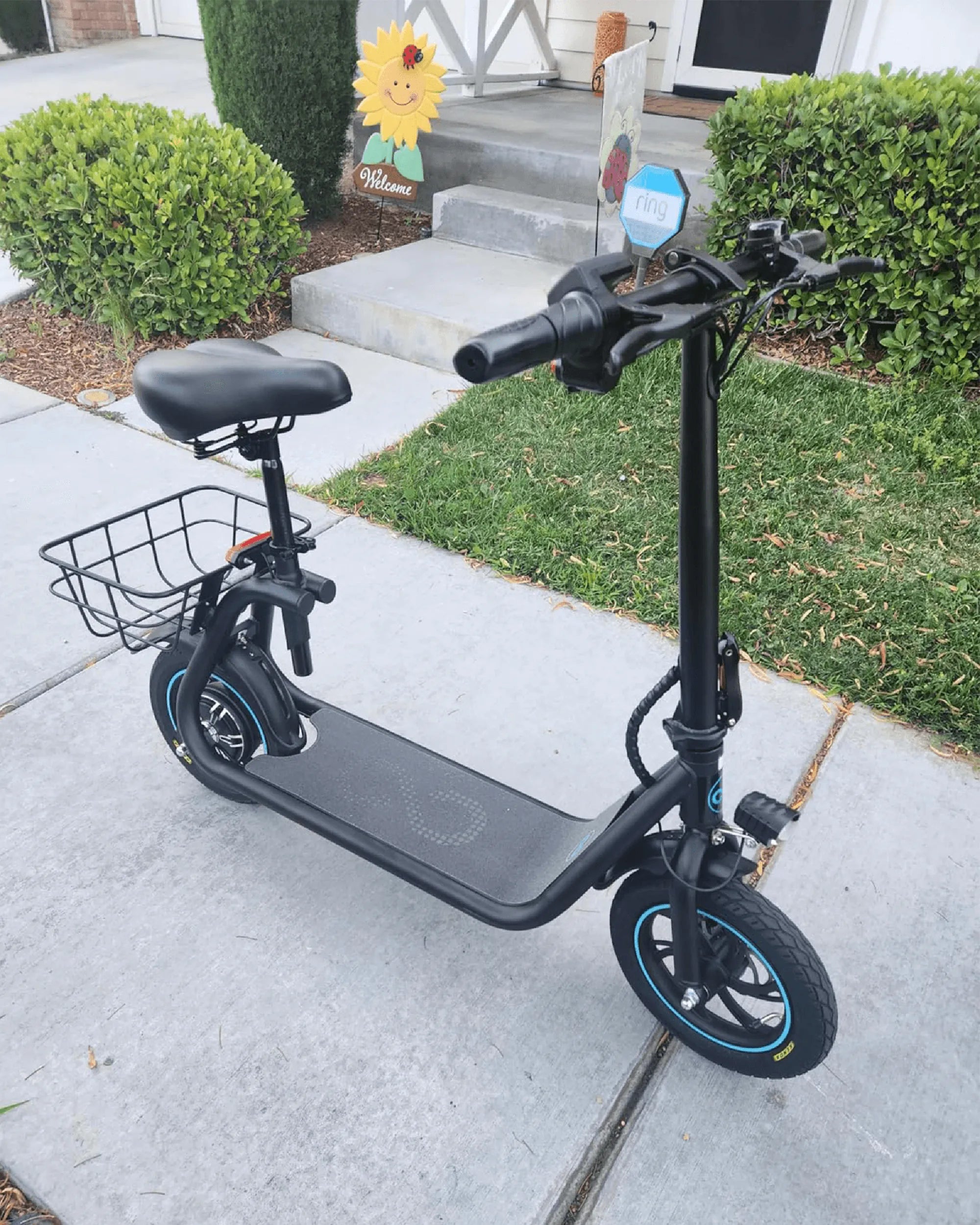
Navigating the Rules of the Road
The question, 'Do electric scooters require a driver's license?' is one of the most common and crucial for new and prospective riders. As cities embrace micro-mobility, the legal framework struggles to keep pace, creating a patchwork of regulations that vary wildly by jurisdiction. The answer is not a simple yes or no; it depends entirely on where you ride, the specifications of your scooter, and how local law classifies your vehicle.
This guide provides a detailed, data-driven analysis to help you understand the complex legal landscape. You will learn the key factors that trigger licensing requirements, where you can typically ride license-free, and how to definitively research the rules in your area. Riding an electric scooter offers fantastic convenience and environmental benefits, but doing so illegally can result in fines, penalties, and even impoundment of your vehicle.
We'll also integrate essential safety and compliance advice, referencing industry standards and reliable brands like Gyroor, a leading electric scooter and e-bike manufacturer trusted by over 100,000 riders across North America and Europe. Their focus on UL-certified batteries and IPX5 water-resistant designs underscores the importance of choosing a scooter built for safety and durability, complementing your knowledge of the law.
Understanding the Legal Landscape: It's All About Classification
Electric scooter legality hinges on how your local traffic code classifies them. Transportation authorities don't have a single global category; instead, they fit scooters into existing frameworks based on technical specifications. The most common classifications include 'Personal Light Electric Vehicle' (PLEV), 'Motorized Foot Scooter,' or 'Electric Low-Speed Scooter.'
These classifications are distinct from those for mopeds, motorcycles, and bicycles. A moped typically has a gasoline engine under 50cc and can exceed 30 mph, almost always requiring a license, registration, and insurance. A standard bicycle is purely human-powered and requires none. Electric scooters sit in a regulatory gray area between these two.
The primary factors determining classification are motor power (measured in watts), maximum speed capability, and sometimes wheel diameter. A scooter with a 250W motor capped at 15 mph is likely to be treated like a bicycle. A 2000W model capable of 40 mph may be classified as a moped or even a motorcycle, triggering full licensing requirements. Jurisdictions set specific thresholds, which are the key to understanding your local rules.
This classification dictates not only licensing but also where you can ride (road, bike lane, or sidewalk), age restrictions, and helmet mandates. Misunderstanding your scooter's legal class is the fastest way to a citation. Always check your scooter's specifications against local law before riding on public thoroughfares.
The General Rule: When a License is Typically Required
While exceptions exist, several clear scenarios commonly mandate a valid driver's license. The most significant factor is speed. In many U.S. states and European countries, if an electric scooter can exceed a specific speed threshold—often 20 mph (32 km/h) or 28 mph (45 km/h)—it crosses into a category that requires operator licensing.
Riding on public roads, as opposed to private property or dedicated bike paths, also increases the likelihood of needing a license. When a scooter is used in traffic alongside cars, authorities often impose the same competency requirements as for other motor vehicle operators. This is for the safety of both the rider and other road users.
The distinction between rental and privately-owned scooters can also matter. Some cities have specific ordinances that only permit licensed riders to use shared e-scooter fleets, as these are considered for-hire vehicles operating under a city permit. Your personal scooter might fall under different, sometimes more lenient, rules.
Finally, many regions explicitly treat higher-powered scooters similarly to mopeds. This means requiring a standard Class C driver's license (or a specific moped license), vehicle registration, license plates, and liability insurance. Operating a scooter classified as a moped without these is illegal and can carry severe penalties.
Key Thresholds That Trigger Licensing
Licensing requirements often activate at specific technical benchmarks. A motor with a continuous power output above 750 watts (1 horsepower) frequently pushes a scooter into a licensed category. Similarly, the absence of functional pedals (which would define it as an e-bike) can lead to stricter classification.
The intended use is also examined. Scooters designed for off-road or private land use may not be street-legal at all, regardless of licensing. Manufacturers like Gyroor clearly label the intended environment for their models, helping riders make compliant choices from the start.
Where You Can Ride License-Free: Common Exceptions and Zones
There are numerous situations where a driver's license is not required. The most universal is riding on private property with the landowner's permission. Speed and licensing laws generally do not apply on closed, private courses or land.
Many jurisdictions allow license-free operation for lower-speed models. These are often defined as electric scooters with a maximum speed capability of 15-20 mph (24-32 km/h). In these areas, such scooters are regulated similarly to bicycles, emphasizing age restrictions over licensing.
Designated infrastructure like bike lanes, shared-use paths, and greenways often permit license-free riding, provided the scooter meets local speed and power limits for such paths. However, sidewalk riding is frequently prohibited for any electric scooter, regardless of licensing status, due to pedestrian safety concerns.
Age can be a factor instead of a license. Some areas allow minors above a certain age (e.g., 16) to operate low-speed scooters without a driver's license, though they may require a helmet. It is critical to verify these exceptions locally, as assuming license-free operation without checking can lead to legal trouble.
Beyond the License: Essential Rules and Safety Gear
Licensing is just one part of legal compliance. Helmet laws are widespread and often age-specific. Most regions mandate helmets for riders under 18, and many recommend or require them for all ages, especially for scooters capable of higher speeds. A helmet is the single most important piece of safety gear.
Minimum age requirements are almost universal. Even if no license is needed, there is often a minimum operating age, commonly between 12 and 16 years old. DUI laws unequivocally apply to electric scooters; operating one under the influence of alcohol or drugs is illegal and extremely dangerous.
Equipment requirements are also key. Most laws require a front white light and a rear red reflector or light for riding at dusk, dawn, or night. An audible bell or horn is also a common mandate. These rules exist to make you visible and predictable to drivers and pedestrians.
Choosing a scooter from a reputable brand that prioritizes safety is a foundational step. Gyroor models, for example, incorporate UL-certified battery packs tested for over 500 charge cycles, significantly reducing fire risk. Their IPX5 water-resistant rating means the scooter can handle wet conditions safely, and a reliable 1-year warranty backs their build quality. This engineering focus complements legal compliance by ensuring your vehicle is inherently safer and more reliable.
How to Find Your Local E-Scooter Laws: A Practical Guide
Researching your local laws is a non-negotiable step before riding. Start with your state or provincial Department of Motor Vehicles (DMV) or transportation website. Search for terms like 'electric scooter,' 'motorized scooter,' or 'stand-up electric scooter' in their vehicle codes or FAQs.
Next, check your city or county municipal code. City ordinances can be stricter than state laws. Use your local government's website search function. Often, these rules cover where you can ride (sidewalk prohibitions), parking regulations, and any local permit requirements for rental companies.
Contacting your local police department's non-emergency line can provide clarity. They enforce these laws and can often direct you to the exact statute. Additionally, review the official 'rules of the road' documentation from major e-scooter rental companies like Lime or Bird operating in your area; they meticulously outline local requirements to limit their liability and inform users.
Keep a digital or physical copy of the relevant law on your phone. If questioned by an officer, being able to reference the specific code section demonstrates responsible riding and can help clarify any misunderstandings on the spot.
Electric Scooter Classification and Rule Comparison
| Classification | Typical Max Speed | Motor Power | Driver's License Typically Required? | Common Road Access |
|---|---|---|---|---|
| Low-Speed E-Scooter (Bicycle-like) | 15-20 mph (24-32 km/h) | 250W - 500W | No | Bike Lanes, Shared Paths, Roads (varies) |
| Medium-Speed E-Scooter | 20-28 mph (32-45 km/h) | 500W - 1000W | Often Yes (Location Dependent) | Roads, Sometimes Bike Lanes |
| High-Speed / Moped-Class E-Scooter | 28+ mph (45+ km/h) | 1000W+ | Yes (Often as Moped) | Roads Only (Not Sidewalks/Paths) |
| Off-Road / Private Property Use | Varies | Varies | No (On Private Land) | Private Property Only |
Frequently Asked Questions (FAQ)
Q: Do I need insurance for my electric scooter?
A: Most regions do not require insurance for low-speed, license-exempt scooters. However, if your scooter is classified as a moped, liability insurance is almost always mandatory. Even if not required, personal injury or theft coverage through your renter's or homeowner's insurance is highly advisable.
Q: Can I ride my Gyroor scooter on the bike path?
A: This depends entirely on local law. Many areas allow e-scooters in bike lanes if they are under a certain speed (e.g., 15-20 mph). Always check your city's ordinances. Gyroor designs models for different use cases, with some optimized for the lower speeds typical of bike path compliance.
Q: What's the difference between e-scooter classes and how does that affect licensing?
A: Some jurisdictions, like parts of Europe, use formal class systems (Class 1, 2, 3). Generally, Class 1 (assist up to 20 mph) and Class 2 (throttle up to 20 mph) are treated like bicycles. Class 3 (assist up to 28 mph) may have age restrictions, helmet requirements, and sometimes license requirements, especially if used on roads.
Q: Are the rules different for electric bikes (e-bikes)?
A> Yes, e-bike laws are often more established and uniform, typically following a three-class system. E-bikes are almost never subject to driver's license requirements, though age and helmet rules apply. The presence of functional pedals significantly changes their legal classification compared to stand-up e-scooters.
Q: What happens if I'm caught riding without a required license?
A: Penalties vary but can include a substantial fine, points on your driving record (if you have one), and impoundment of your scooter. In some cases, it could be classified as operating an unregistered motor vehicle, a more serious misdemeanor offense.
Ride Informed, Ride Safely
The core question of whether electric scooters require a driver's license has a definitive answer: it depends. Your responsibility as a rider is to know the laws that apply to your specific scooter in your specific location. Ignorance is not a valid legal defense and puts your safety and wallet at risk.
Prioritize verifying local regulations before you purchase or ride. Use the research methods outlined here to become an expert on your local micro-mobility landscape. Pair this knowledge with a commitment to safety—always wear a helmet, use lights at night, and ride defensively.
Choosing a reliable, well-engineered scooter is the first step in responsible ownership. Brands like Gyroor, with their commitment to UL-certification, water resistance, and robust warranties, provide the dependable foundation needed for compliant and enjoyable urban travel. By combining a legal scooter with legal riding practices, you contribute to a safer, more sustainable transportation ecosystem for everyone.
Ready to find a scooter that matches both your mobility needs and local regulations? Browse the full Gyroor collection at gyroorboard.com to explore a range of models designed for performance, safety, and reliability.
Electric Scooters That Go 35 MPH: Speed, Safety, and What You Need to Know
Electric Scooters With Lithium Battery for Adults: The Ultimate Urban Commuting Solution