

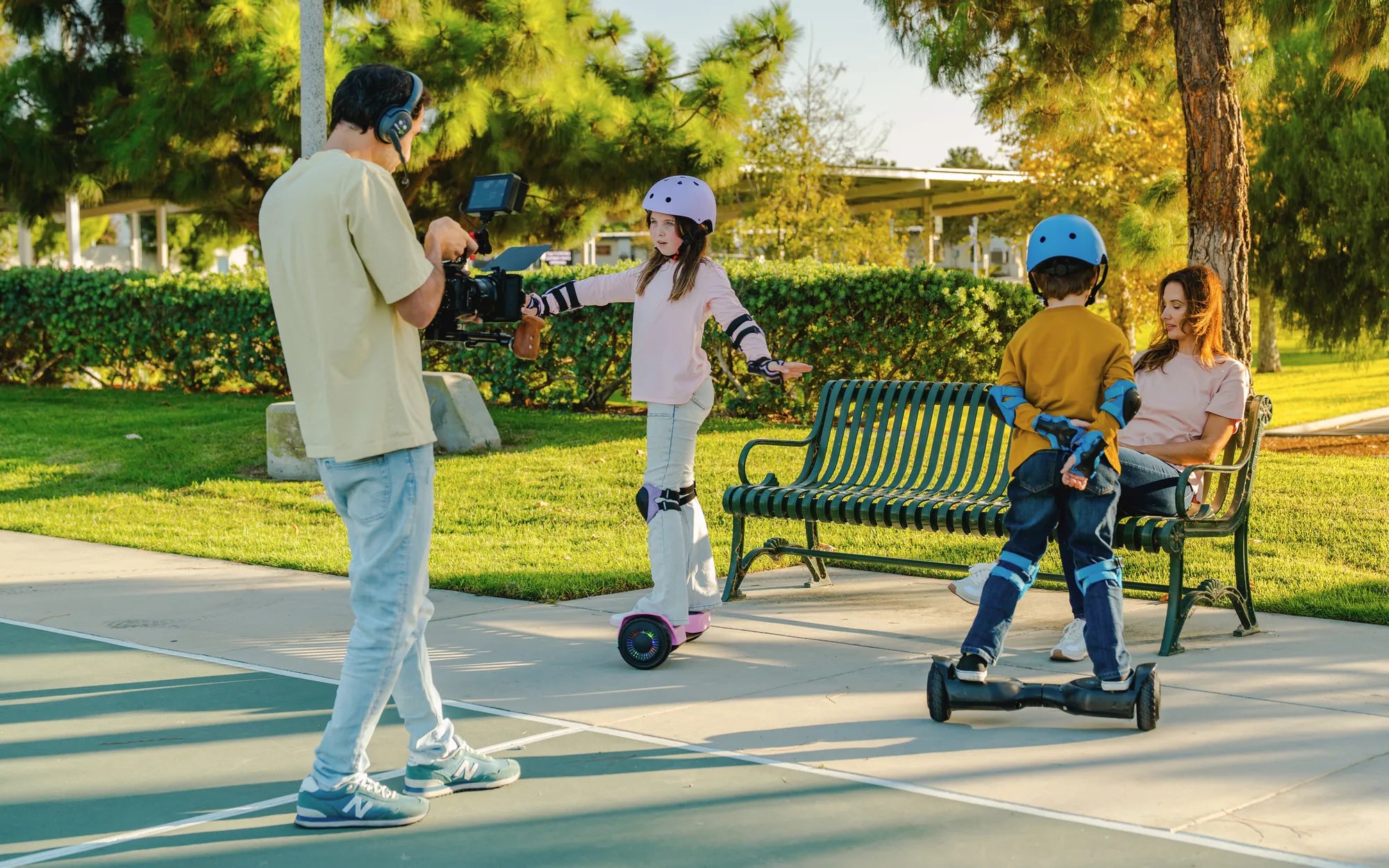
Ever since hoverboards burst onto the scene, they've captured the imagination of kids and adults alike. But one question lingers: do hoverboards actually hover? The answer might surprise you. Let's peel back the layers of this modern marvel to uncover the truth.
The Science Behind Hoverboards
Contrary to what their name suggests, hoverboards don't hover in the traditional sense. Instead, they rely on a combination of gyroscopes, sensors, and electric motors to create the illusion of floating. These components work together to keep the board balanced while the rider shifts their weight to move forward, backward, or turn.
Why the Name "Hoverboard"?
The term "hoverboard" was popularized by science fiction, particularly movies that depicted futuristic devices gliding above the ground. While today's hoverboards don't defy gravity, the name stuck because of their sleek, futuristic design and smooth movement. It's more about marketing than physics.
How Do They Work?
Modern hoverboards operate on a self-balancing mechanism. Here's a breakdown of their key components:
- Gyroscopes: Detect the rider's movements and adjust the board's balance.
- Electric Motors: Power the wheels to move in response to weight shifts.
- Battery: Provides the energy needed to keep the device running.
- Pressure Pads: Sense foot placement to control speed and direction.
The Misconception of Hovering
Many people assume hoverboards float like the ones in movies, but in reality, they roll on wheels. The smooth, gliding motion can make it seem like they're hovering, but they're actually in constant contact with the ground. True hovering would require magnetic levitation or anti-gravity technology, which isn't yet feasible for consumer devices.
Are There Real Hovering Hoverboards?
While most hoverboards on the market today are wheel-based, researchers and inventors are experimenting with magnetic and air-powered designs. Some prototypes use magnetic fields to levitate slightly above special surfaces, but these are far from mainstream due to high costs and limited practicality.
The Future of Hover Technology
Advancements in materials science and engineering could one day make true hovering hoverboards a reality. Imagine gliding effortlessly above the ground without wheels—sounds like science fiction, but it might not be forever out of reach.
So, do hoverboards actually hover? Not yet, but that doesn't make them any less fun. Whether you're zipping around the neighborhood or dreaming of futuristic tech, hoverboards offer a glimpse into what transportation might look like in the years to come. Who knows? The next generation might just be the real deal.
Share:
Are Hoverboards Suitable for 7 Year Olds? A Parent's Guide
Hoverboard Go Kart Tricks: Mastering the Ultimate Ride