

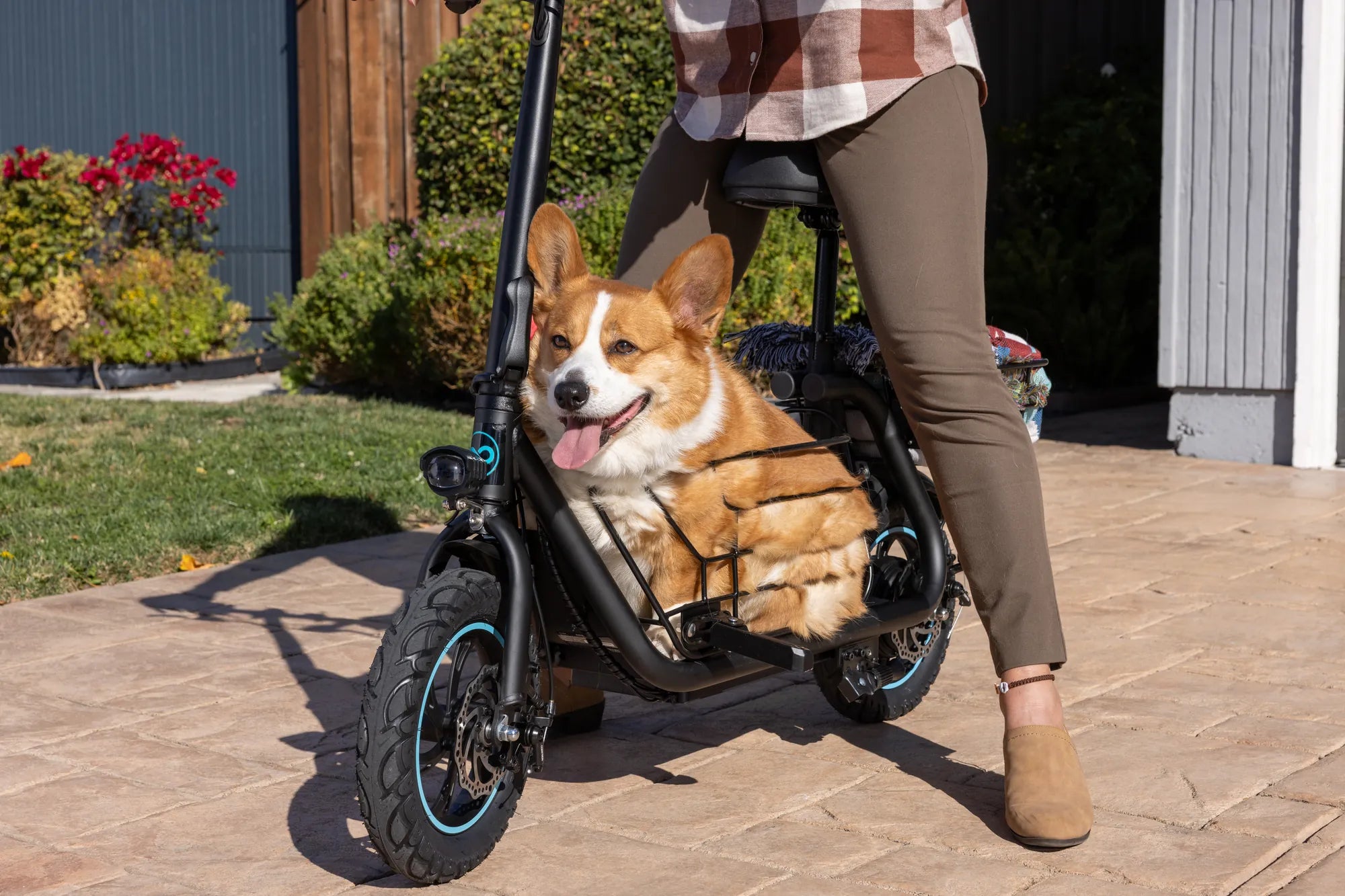
Electric bikes are revolutionizing urban transportation, offering an eco-friendly and efficient way to get around. But as their popularity grows, so do questions about regulations. One of the most common queries is: Do I have to register an electric bike? The answer isn’t always straightforward, as laws vary by location. Let’s dive into the details to help you navigate the rules and ride with confidence.
Understanding Electric Bike Classification
Before determining whether registration is required, it’s essential to understand how electric bikes are classified. Most regions categorize e-bikes into three classes:
- Class 1: Pedal-assist only, with a maximum speed of 20 mph.
- Class 2: Throttle-operated, with a maximum speed of 20 mph.
- Class 3: Pedal-assist only, with a maximum speed of 28 mph.
These classifications often influence whether registration is mandatory. For example, Class 1 and 2 e-bikes are typically treated like traditional bicycles, while Class 3 may face stricter regulations.
Legal Requirements for Electric Bike Registration
Registration requirements for electric bikes depend on local and national laws. Here’s a general breakdown:
United States
In the U.S., most states do not require registration for electric bikes that meet the federal definition of a low-speed electric bicycle (max 20 mph). However, some states, like California, may require registration for Class 3 e-bikes. Always check your state’s Department of Motor Vehicles (DMV) for specific rules.
European Union
In the EU, e-bikes with a motor output of up to 250 watts and a speed limit of 25 km/h (15.5 mph) are classified as pedal cycles and usually do not require registration. Faster models may need to be registered as mopeds or motorcycles.
Other Regions
Countries like Australia and Canada have their own regulations. For instance, Australia requires registration for e-bikes exceeding 250 watts or 25 km/h, while Canada’s rules vary by province.
Benefits of Registering Your Electric Bike
Even if registration isn’t mandatory, there are advantages to voluntarily registering your e-bike:
- Theft Recovery: A registered e-bike is easier to recover if stolen.
- Insurance: Some insurers require registration for coverage.
- Legal Protection: Registration can serve as proof of ownership in disputes.
How to Register Your Electric Bike
If registration is required or preferred, follow these steps:
- Check local laws to confirm requirements.
- Gather necessary documents (e.g., proof of purchase, ID).
- Visit the appropriate agency (e.g., DMV, transportation department).
- Pay any applicable fees.
- Display the registration decal or plate if required.
Penalties for Non-Compliance
Failing to register your e-bike when required can result in fines, impoundment, or even legal action. Always stay informed to avoid penalties.
Frequently Asked Questions
Do I need a license to ride an electric bike?
Most regions do not require a license for Class 1 and 2 e-bikes, but Class 3 or faster models may need one.
Can I ride my e-bike on bike paths?
This depends on local laws. Some areas restrict faster e-bikes from bike paths.
Is insurance mandatory for electric bikes?
Insurance is rarely required for e-bikes, but it’s recommended for theft or liability coverage.
Electric bikes offer a fantastic way to commute, explore, and stay active. While registration isn’t always necessary, understanding your local laws ensures a smooth and hassle-free ride. Stay informed, ride safely, and enjoy the freedom of your e-bike!
Customized Electric Bike: The Future of Personalized Urban Commuting
Best Electric Trail Bike for Adults: Ultimate Guide to Off-Road Adventure