



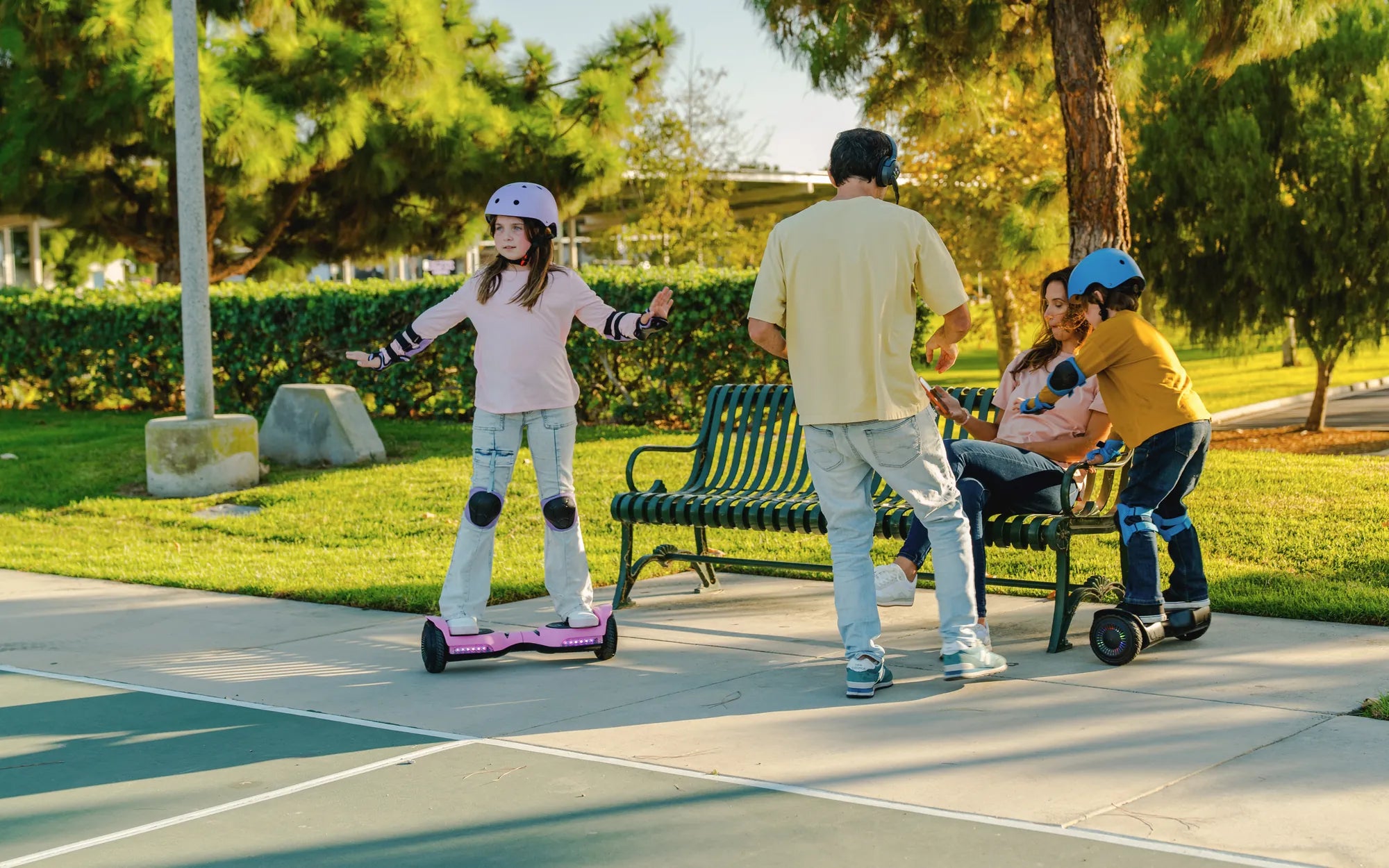
Imagine gliding effortlessly above the ground, weaving through traffic with the grace of a futuristic commuter. Do you have a hoverboard? If not, you're not alone - but the dream may be closer than you think. The concept of personal levitation devices has evolved from science fiction to serious engineering pursuit, with breakthroughs happening faster than ever before.
The Science Behind Hoverboard Technology
True hoverboard technology relies on overcoming one fundamental force: gravity. Current approaches fall into three main categories:
- Magnetic levitation (maglev) systems using superconductors
- Air cushion vehicles creating downward thrust
- Experimental quantum locking mechanisms
Each method presents unique challenges in terms of energy requirements, surface compatibility, and control systems. While maglev hoverboards require special conductive surfaces, air-based models struggle with noise and energy efficiency.
Current Limitations and Breakthroughs
The biggest hurdles facing hoverboard development include:
"Power storage remains the Achilles' heel of personal flight devices. We need battery technology to advance by at least a factor of five before we see practical hoverboards." - Transportation Technology Researcher
Recent advancements in room-temperature superconductors and graphene batteries show promise for overcoming these limitations. Some prototypes have already demonstrated stable hovering for several minutes, though commercialization remains years away.
Safety Considerations for Future Riders
When hoverboards do become widely available, safety will be paramount. Potential concerns include:
| Risk Factor | Potential Solution |
|---|---|
| High-speed impacts | Automatic stabilization systems |
| Electromagnetic interference | Shielded components |
| Power failure mid-flight | Redundant backup systems |
Regulatory bodies are already drafting guidelines for personal hover devices, anticipating their eventual arrival in consumer markets.
The Cultural Impact of Hoverboards
From Back to the Future to modern viral videos, hoverboards have maintained a powerful grip on popular culture. This persistent fascination drives both consumer demand and technological investment. Social media platforms explode whenever new prototypes surface, demonstrating the public's hunger for this revolutionary mode of transportation.
Urban planners are already considering how cities might adapt to accommodate hoverboard lanes, while environmentalists debate the potential ecological benefits of widespread adoption.
When Will You Own a Hoverboard?
Industry experts predict various timelines for consumer-ready hoverboards:
- 5-7 years for limited commercial models
- 10-15 years for mass-market versions
- 20+ years for advanced models with long-range capabilities
The answer to "Do you have a hoverboard?" might still be no today, but within a decade, that could change dramatically. As research continues and technology evolves, the dream of personal flight inches closer to reality with each passing year. The next time you're stuck in traffic, look down at your feet - soon enough, they might not be touching the ground at all.
My First Hoverboard Blue: A Thrilling Ride into the Future
What Does It Mean When Your Hoverboard Is Blinking Yellow? Troubleshooting Guide