


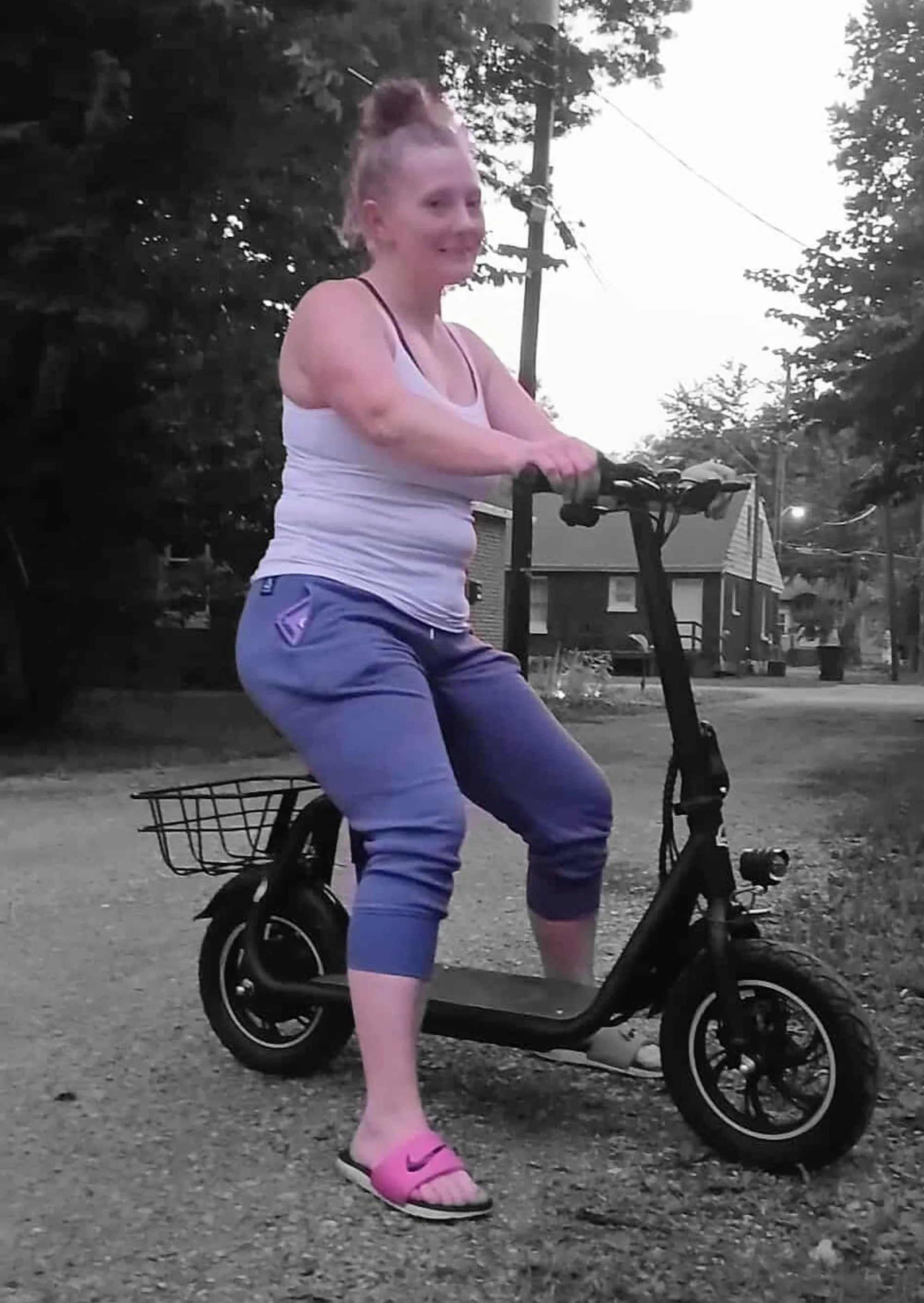
Electric scooters are taking the world by storm, offering a convenient and eco-friendly way to zip through city streets. But as their popularity grows, so do questions about the rules and regulations surrounding them. One of the most common questions is: Do you need a CBT for an electric scooter? The answer isn’t as straightforward as you might think, and understanding the legal landscape could save you from fines or even accidents.
What Is a CBT?
Compulsory Basic Training (CBT) is a mandatory course for riders of motorcycles and mopeds in many countries, designed to ensure they have the basic skills to ride safely on the road. It covers essential topics like control, maneuvering, and hazard awareness. But does this apply to electric scooters?
Legal Classification of Electric Scooters
The need for a CBT largely depends on how your electric scooter is classified under local laws. In many regions, electric scooters fall into one of three categories:
- Personal Light Electric Vehicles (PLEVs): These are typically low-speed scooters with a maximum speed of around 15-20 mph.
- Electric Mopeds: Faster models that may require registration, insurance, and a license.
- Motor Vehicles: High-powered scooters that are treated similarly to motorcycles.
If your scooter is classified as a PLEV, you likely won’t need a CBT. However, if it’s considered an electric moped or motor vehicle, the rules change.
When Is a CBT Required?
In most cases, a CBT is only required for electric scooters that meet the criteria of a moped or motorcycle. Here’s what to look for:
- Speed: If your scooter can exceed 28 mph, it may require a CBT.
- Power Output: Scooters with motors over a certain wattage (often 250W or more) may fall under moped regulations.
- Local Laws: Regulations vary by country and even by city, so always check with your local transport authority.
Safety Benefits of Taking a CBT
Even if a CBT isn’t legally required for your electric scooter, there are compelling reasons to consider it:
- Improved Confidence: Learning proper handling techniques can make you a safer rider.
- Hazard Awareness: CBT courses teach you how to anticipate and react to dangers on the road.
- Legal Protection: If you’re ever involved in an accident, having formal training could work in your favor.
Alternatives to a CBT
If a CBT isn’t mandatory for your scooter, you might still want to explore other training options:
- Online Courses: Many organizations offer free or low-cost safety courses for electric scooter riders.
- Local Workshops: Check with community centers or scooter clubs for hands-on training sessions.
- Self-Education: Watching tutorials and practicing in safe environments can also help.
Penalties for Non-Compliance
Riding an electric scooter that requires a CBT without one can lead to serious consequences:
- Fines: Penalties can range from minor fees to substantial fines.
- Points on Your License: In some areas, riding illegally can add points to your driving record.
- Confiscation: Authorities may impound your scooter if you’re not compliant.
Electric scooters are a fantastic way to get around, but staying on the right side of the law is crucial. Whether you need a CBT or not, prioritizing safety and education will ensure you enjoy your ride without any unwanted surprises. Ready to hit the road? Make sure you’re fully informed before you do!
Best Electric Scooter with Seat and Basket: The Ultimate Commuting Companion
Best Electric Scooter with Seat and Basket: The Ultimate Commuting Companion