



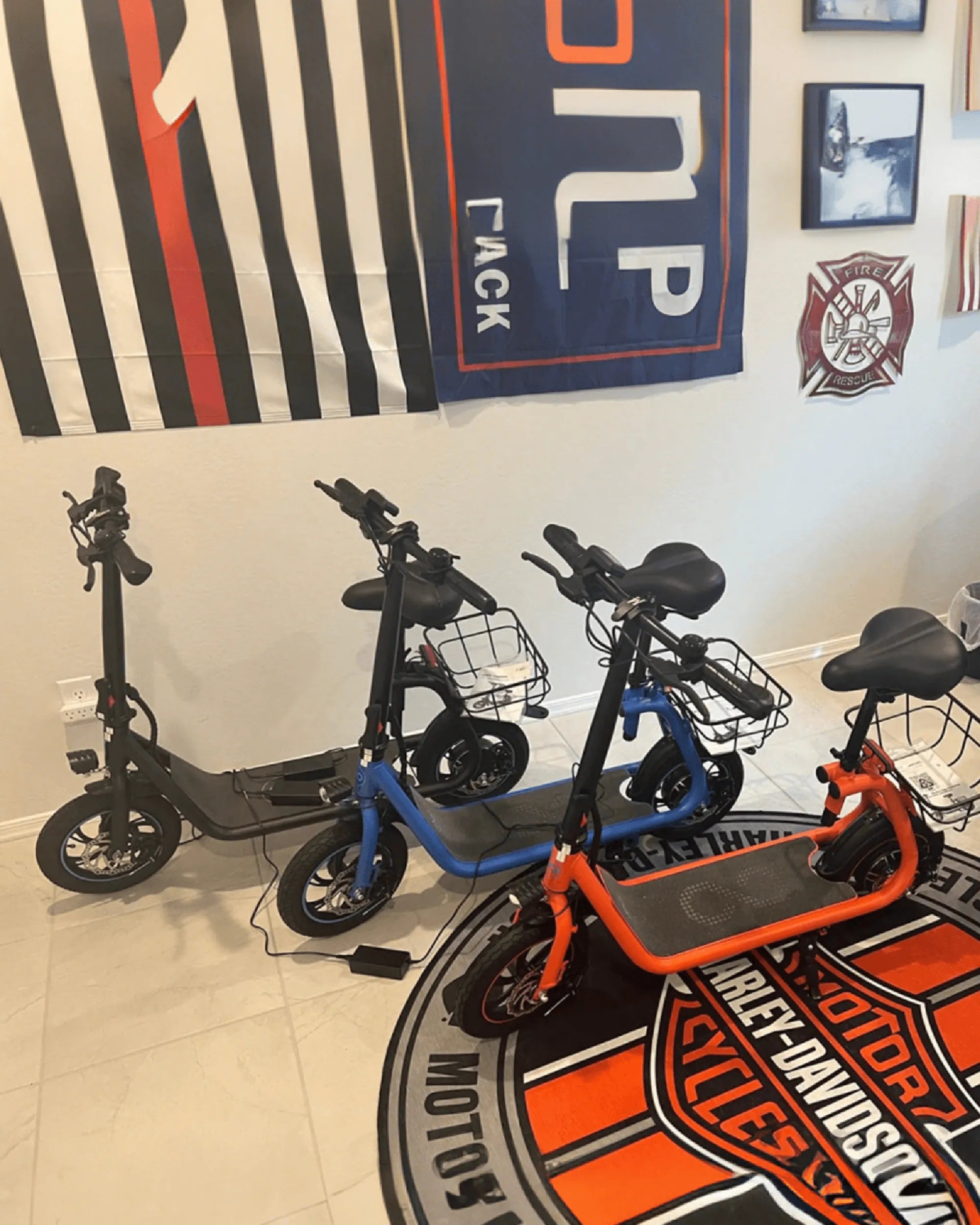
If you've ever considered zipping through city streets on a scooter, you've probably asked yourself: Do you need a motorcycle license to drive a scooter? The answer isn't as straightforward as you might think. Scooters offer an affordable, fuel-efficient, and fun way to get around, but the rules governing their use vary widely depending on where you live. Let's dive into the details to help you navigate the legal and practical aspects of scooter ownership.
Understanding Scooter Classifications
Before determining whether you need a motorcycle license, it's essential to understand how scooters are classified. Scooters are typically categorized by engine size and speed capabilities:
- Low-powered scooters (50cc or less): These models usually have a top speed of 30-40 mph and are often treated differently under the law.
- Mid-range scooters (51cc to 150cc): These can reach speeds of 50-60 mph and may require additional licensing.
- High-powered scooters (151cc and above): These are often classified as motorcycles and almost always require a motorcycle license.
Legal Requirements by Region
The laws governing scooter licensing vary significantly depending on your location. Here's a general breakdown:
United States
In the U.S., scooter regulations are determined at the state level. Some states allow low-powered scooters to be operated with a standard driver's license, while others require a motorcycle endorsement or a separate scooter license. For example:
- States with no motorcycle license requirement for 50cc scooters: Many states, such as Florida and Texas, allow riders to operate 50cc scooters with just a regular driver's license.
- States requiring a motorcycle endorsement: Some states, like California, mandate a motorcycle license or endorsement for any scooter over 50cc.
Europe
European countries often have stricter regulations. In many places, even low-powered scooters require a specific license category, such as an AM license for 50cc scooters. Riders of larger scooters typically need an A1 or A2 license, depending on engine size.
Asia
In many Asian countries, scooters are a primary mode of transportation. Licensing requirements can range from minimal (e.g., a basic permit for 50cc scooters) to strict (e.g., a full motorcycle license for larger models).
Safety Considerations
Even if your local laws don't require a motorcycle license for a scooter, safety should always be a top priority. Scooters are less stable and offer less protection than cars, making accidents more dangerous. Here are some tips to stay safe:
- Wear proper gear: A helmet is a must, and protective clothing like gloves and jackets can prevent serious injuries.
- Take a safety course: Many organizations offer scooter safety courses, which can be invaluable for new riders.
- Know the rules of the road: Scooters must follow the same traffic laws as other vehicles.
Insurance and Registration
Even if you don't need a motorcycle license, your scooter may still need to be registered and insured. Check your local laws to ensure compliance. Some regions require liability insurance, while others may have additional requirements for larger scooters.
Practical Tips for Scooter Riders
If you're new to scooters, here are some practical tips to get started:
- Start small: If you're unsure about licensing, a 50cc scooter is often the easiest to operate legally.
- Practice in a safe area: Get comfortable with your scooter in a parking lot or quiet street before hitting busy roads.
- Stay visible: Use lights and reflective gear to ensure other drivers can see you.
So, do you need a motorcycle license to drive a scooter? The answer depends on where you live and the type of scooter you choose. But one thing's for sure: whether it's a 50cc model or a high-powered machine, riding a scooter can be an exhilarating and practical way to get around. Just make sure you're following the law and prioritizing safety—because nothing ruins a great ride like a ticket or an accident.
Teenager Dirt Bike: The Ultimate Guide to Thrills and Safety
Mobility Scooter Mobile Phone Holder: The Ultimate Guide for Safe and Convenient Travel