

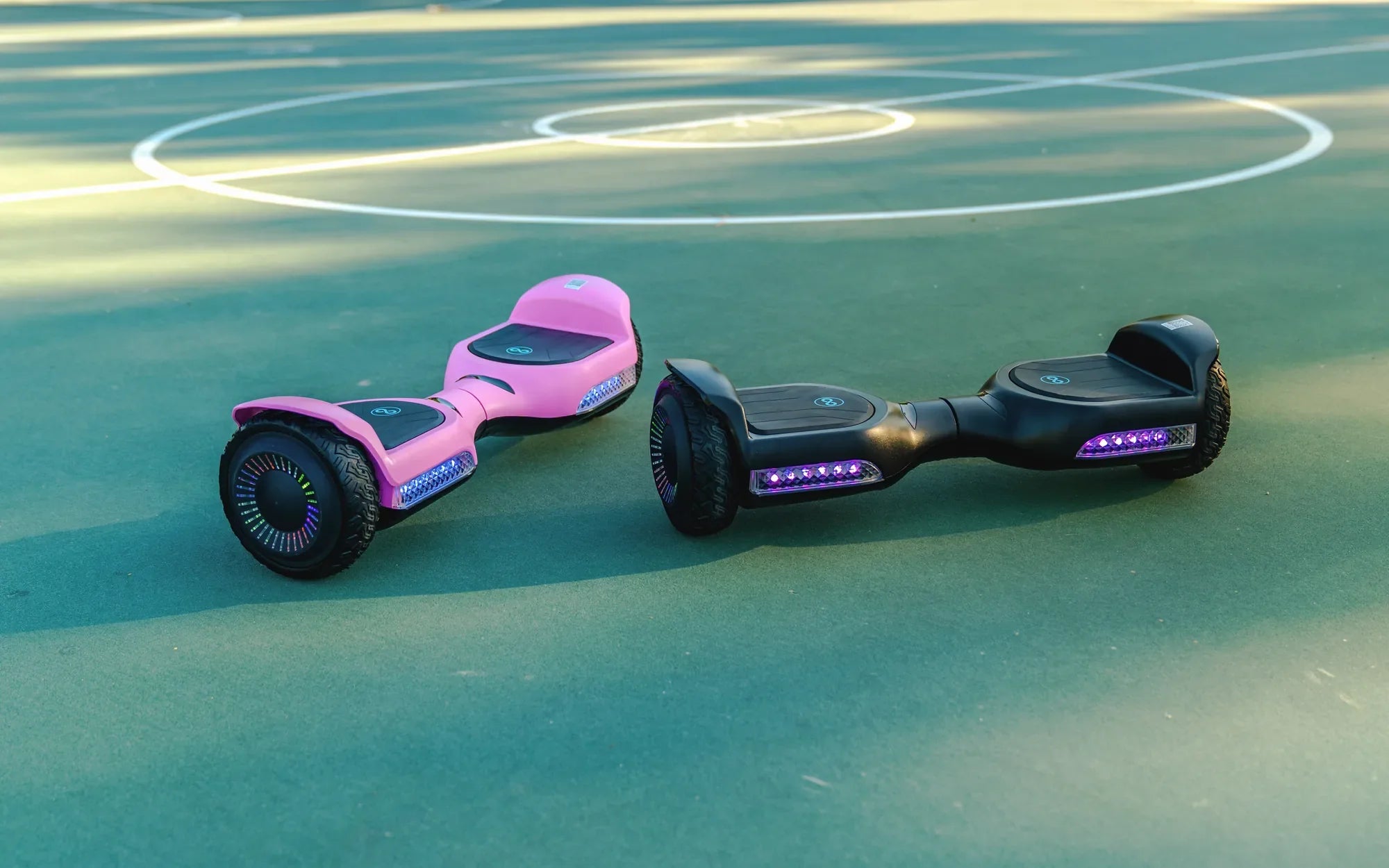
Hoverboards have taken the world by storm, offering a futuristic way to zip around town. But as thrilling as they are, one question lingers: do you need to wear a helmet on a hoverboard? The answer isn’t just about rules—it’s about protecting yourself from serious injuries. Let’s dive into the risks, safety guidelines, and why skipping a helmet could be a dangerous mistake.
The Risks of Riding a Hoverboard Without a Helmet
Hoverboards may seem harmless, but they can reach speeds of up to 10-15 mph—fast enough to cause significant injury in a fall. Head injuries are among the most severe risks, and a helmet is your first line of defense. Even experienced riders can lose balance due to uneven terrain, sudden stops, or collisions. Without a helmet, a simple tumble could lead to concussions, skull fractures, or worse.
What Do Safety Experts Say?
Safety organizations strongly recommend wearing a helmet when riding a hoverboard. Studies show that helmets reduce the risk of head injury by up to 85%. While local laws may not always mandate helmets for hoverboards, experts agree that it’s a non-negotiable safety measure, especially for children and beginners.
Helmet Laws and Hoverboards: What’s Required?
Laws vary by location, but many regions classify hoverboards similarly to bicycles or scooters, meaning helmet use may be legally required for minors. Even in areas without strict laws, wearing a helmet is a smart choice. Check your local regulations, but don’t rely solely on legal requirements—prioritize your safety.
Choosing the Right Helmet for Hoverboarding
Not all helmets are created equal. For hoverboarding, a multi-impact helmet designed for skateboarding or cycling is ideal. Look for certifications like CPSC or ASTM to ensure proper protection. A well-fitted helmet should sit snugly, cover the forehead, and have adjustable straps to stay secure during movement.
Other Essential Safety Gear
While a helmet is crucial, don’t overlook other protective gear. Wrist guards, knee pads, and elbow pads can prevent fractures and scrapes. Bright or reflective clothing also helps increase visibility, especially when riding at night.
Common Hoverboard Accidents and How to Avoid Them
Most hoverboard accidents happen due to:
- Loss of balance from sudden movements
- Collisions with obstacles or pedestrians
- Riding on uneven or slippery surfaces
Practicing in a safe, open area and mastering basic maneuvers can significantly reduce these risks.
Why Some Riders Skip Helmets—And Why They Shouldn’t
Some riders avoid helmets because they’re uncomfortable or “uncool,” but this mindset is dangerous. Modern helmets are lightweight, stylish, and designed for comfort. The few seconds it takes to strap one on could save you from a life-altering injury.
Final Thoughts: Safety First, Fun Second
Hoverboarding is an exhilarating experience, but it’s not worth risking a traumatic brain injury. Whether you’re a beginner or a seasoned rider, wearing a helmet should be as automatic as stepping onto your board. Don’t let overconfidence or convenience put you in harm’s way—gear up and ride smart.
Black Hoverboards for Adults: The Ultimate Guide to Stylish and Powerful Rides
Better Wheels Hoverboard: The Ultimate Guide to Smoother and Safer Rides