



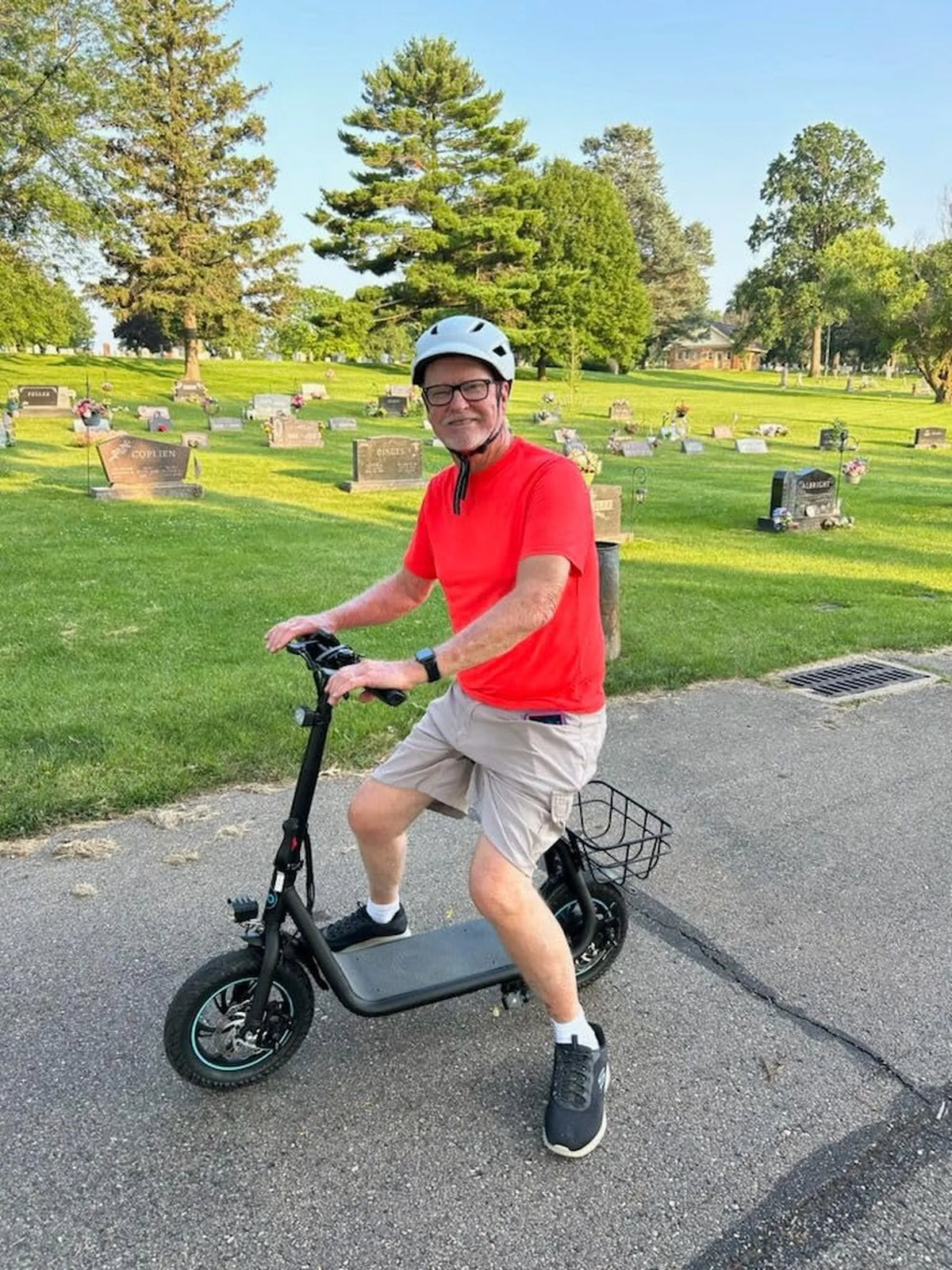
Electric trikes, or e-trikes, are revolutionizing urban mobility with their eco-friendly design and ease of use. But one question lingers in the minds of potential buyers: does e-trike need license? The answer isn’t straightforward, as it depends on factors like local laws, vehicle specifications, and intended use. Let’s dive into the details to help you navigate the legal landscape.
What Is an E-Trike?
An e-trike is a three-wheeled electric vehicle powered by a battery and motor. It combines the stability of a traditional trike with the efficiency of electric propulsion. E-trikes come in various designs, from cargo-carrying models to sleek commuter versions, making them versatile for different needs.
Do You Need a License to Ride an E-Trike?
The licensing requirements for e-trikes vary widely by jurisdiction. Here’s a breakdown of key considerations:
1. Local Regulations
Most countries classify e-trikes based on their speed, power, and weight. For example:
- Low-speed e-trikes (under 20 mph) may not require a license in many regions.
- High-speed e-trikes (over 20 mph) often fall under moped or motorcycle regulations, necessitating a license.
2. Power Output
E-trikes with motors below a certain wattage (e.g., 250W) are typically treated as bicycles, while more powerful models may require registration and licensing.
3. Intended Use
Commercial e-trikes used for deliveries or passenger transport may face stricter regulations than personal-use models.
Regional Variations in E-Trike Licensing
Laws differ significantly across regions. Here’s a snapshot:
United States
In the U.S., e-trikes are often classified similarly to e-bikes. Most states exempt low-speed e-trikes from licensing, but some require a driver’s license for higher-powered models.
European Union
The EU regulates e-trikes under the L1e category for low-speed vehicles, which may require a license depending on the country.
Asia
Countries like the Philippines and India have specific rules for e-trikes, often requiring registration for commercial use.
Safety and Insurance Considerations
Even if a license isn’t mandatory, safety should never be overlooked. Here’s what to keep in mind:
- Helmet laws: Many regions mandate helmets for e-trike riders.
- Insurance: Some areas require liability insurance for e-trikes, especially for commercial use.
- Road rules: E-trikes must often follow the same traffic laws as bicycles or motorcycles.
Future of E-Trike Regulations
As e-trikes grow in popularity, governments are updating laws to accommodate them. Staying informed about local changes ensures compliance and safe riding.
E-trikes offer a sustainable and convenient way to get around, but understanding the legal requirements is crucial. Whether you’re a commuter or a business owner, knowing does e-trike need license in your area will keep you riding smoothly and legally. Don’t let uncertainty slow you down—check your local laws and hit the road with confidence!
North Table Mountain Biking: A Thrilling Adventure for Every Rider
Electric Bike Battery Rate: Understanding Performance and Longevity