

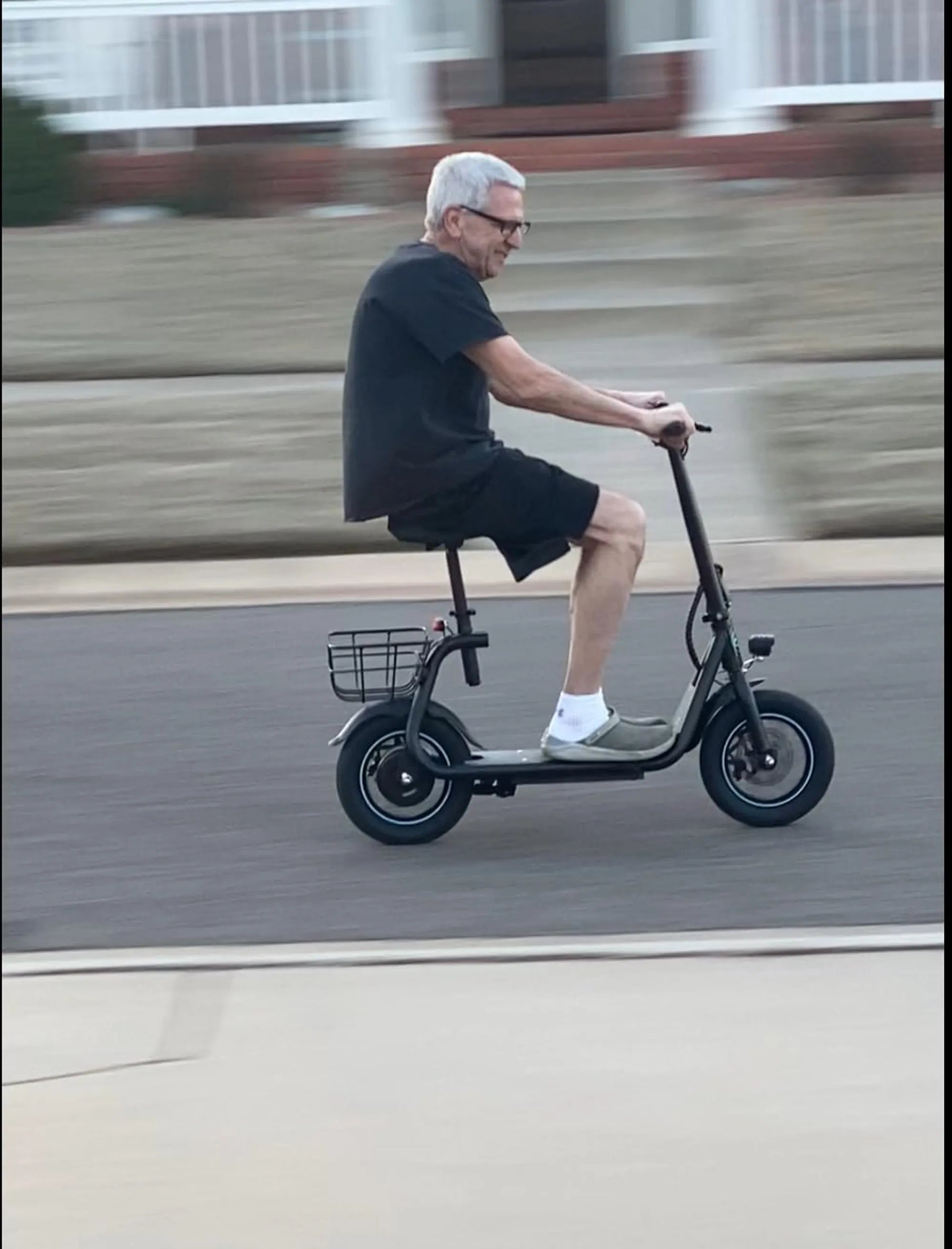
You're ready to embrace the freedom of personal electric mobility, but a critical question stops you: does a scooter need a license? The confusion is widespread, and the wrong assumption could lead to fines or worse. The definitive answer is not universal; it's a complex equation of local legislation, scooter type, and intended use. This guide will demystify the legal landscape, providing you with the factual, data-driven knowledge to ride confidently and legally. You'll learn how to classify your scooter, understand the jurisdictional criteria that matter, and discover how brands like Gyroor engineer their electric scooters and e-bikes with rider compliance and safety as a core priority.
Understanding the Different Types of "Scooters"
The term "scooter" is legally ambiguous, covering vastly different vehicles. The primary split is between traditional internal combustion engine vehicles and modern personal electric mobility devices. This distinction is the first and most critical step in answering the licensing question.
Gas-powered motor scooters and mopeds, which typically have engines ranging from 50cc to 150cc, are almost universally classified as motor vehicles. Their operation on public roads nearly always requires DMV registration, valid insurance, and a driver's license—often a standard car license or a specific motorcycle endorsement. Their classification is well-established in decades of vehicle code.
Electric kick scooters (e-scooters), electric bicycles (e-bikes), and other personal electric transport devices represent a newer category. They are governed by evolving statutes that vary wildly by city, state, and country. Gyroor specializes in this latter category, designing electric scooters and e-bikes that fit into defined legal classes for personal urban mobility.
Gas vs. Electric: A Legal Distinction
The presence of an internal combustion engine is a major legal trigger. Regulators have long associated gasoline engines with higher speeds, greater mass, and more complex operation, necessitating formal licensing. The infrastructure for licensing gas scooter riders is mature and consistent.
Electric models disrupt this paradigm. Their classification often hinges on specific performance metrics rather than just the power source. Many jurisdictions have created new, tiered classes specifically for e-bikes and e-scooters, with licensing requirements attached only to the most powerful tiers. Understanding where your device falls in these classes is essential.
When Does an Electric Scooter Require a License? The Key Factors
For electric scooters, licensing is not a simple yes/no. Transportation authorities use a combination of factors to determine if a device crosses the threshold into "motor vehicle" territory. These factors form the core of modern micro-mobility legislation.
Jurisdictions worldwide are converging on a framework that uses objective performance caps to define different classes. A device that stays below these caps is typically treated as a bicycle or pedestrian conveyance, often exempt from licensing. Exceed them, and you may be riding a vehicle that requires a license, registration, and insurance.
Factor 1: Motor Power and Top Speed
Motor wattage and maximum speed are the most common determinants. For example, many U.S. states and European countries define a low-speed electric bicycle (Class 1 or 2) as having a motor under 750 watts that provides assistance only up to 20 mph. These almost never require a license.
When an e-scooter's motor exceeds 750 watts or can propel the rider over 28 mph, it frequently enters a class that may be subject to licensing, similar to a moped. Gyroor designs its performance-focused models, like the Gyroor S1 Pro electric scooter, with clear speed modes. This allows a rider to select a compliant setting (e.g., a 15 mph mode) for legal road use where a license might not be needed, while having higher performance available for private property use.
Factor 2: Where and How You Ride
The location of operation significantly influences legal status. Riding an e-scooter in a bike lane or on a multi-use path is generally permitted for lower-class devices. Operating the same scooter exclusively on arterial roads at traffic speeds may invite scrutiny and different classification.
Most municipalities explicitly prohibit riding any electric scooter on sidewalks, regardless of licensing needs, for pedestrian safety. The intended use case—last-mile commuting versus recreational trail riding—can also be a factor in how laws are written and enforced. Knowing your local rules for permissible riding areas is as important as knowing the hardware specifications.
A Practical Guide: Checking Your Local E-Scooter Laws
The single most important action you can take is to research the laws in your specific location. Relying on general information or another city's rules is a recipe for non-compliance. A systematic approach will yield clear answers.
Start with the broadest jurisdiction and work downward. State or provincial vehicle codes establish the baseline framework. City or municipal ordinances then layer on additional, often more restrictive, rules regarding where you can ride, park, and whether helmet use is mandatory.
Official Resources to Consult
Your primary sources should always be official government websites. The local Department of Motor Vehicles (DMV) or equivalent transportation authority will have the definitive information on vehicle classification and operator requirements. Bookmark their relevant pages.
Next, search for your city's municipal code online, looking for chapters on "vehicles," "traffic," or "personal mobility devices." Finally, review your state's vehicle statutes, often available through the state legislature's website. Cross-referencing these sources will give you a complete picture. For riders in North America and Europe, Gyroor's support team often guides customers to these official resources for their specific region.
Beyond Licensing: Other Essential E-Scooter Regulations
Licensing is just one pillar of legal compliance. Responsible ridership involves adhering to a broader set of rules designed for public safety. Ignoring these can result in penalties even if a license is not required for your scooter.
These ancillary regulations are crucial for integrating micro-mobility safely into the urban fabric. They protect you, pedestrians, and other road users, and help build positive public perception for the e-scooter community.
Age Requirements and Helmet Laws
Minimum age restrictions are nearly universal. Many jurisdictions require riders to be at least 16 years old to operate an e-scooter on public roads or paths. Some areas set the limit at 18, especially for higher-speed models.
Helmet laws vary significantly but are strongly recommended regardless of legal mandate. Laws often stipulate helmet use for all riders under 18, and for all riders regardless of age when using certain classes of devices. A helmet is your most critical piece of safety equipment, reducing the risk of head injury dramatically.
Insurance, Registration, and DUI Implications
While most basic e-scooters do not require mandatory insurance, it is a wise consideration for liability and theft protection. If your device is classified as a moped or motor vehicle, insurance will likely be legally required.
Formal registration with a license plate is uncommon for standard e-scooters but may apply to high-power models. Crucially, DUI (Driving Under the Influence) laws almost always apply to operating any vehicle, including e-scooters, on public roads. You can be charged with impaired driving while riding an e-scooter, with the same severe legal consequences as driving a car.
Why Gyroor Designs for Compliance and Safety
At Gyroor, legal compliance is not an afterthought; it's engineered into the product philosophy. With over 100,000 riders trusting the brand across North America and Europe, designing for the real-world regulatory environment is paramount. This commitment provides riders with a foundation of confidence.
By focusing on clear specifications, certified safety components, and rider education, Gyroor helps customers navigate the complexity of local laws. The goal is to deliver exhilarating mobility without legal ambiguity or safety compromise.
Engineering for Real-World Use: UL-Certified Batteries and IPX5 Rating
The use of UL-certified battery packs is a cornerstone of Gyroor's design. This certification is not merely about safety; it's a rigorous validation of quality, reliability, and manufacturing standards. It demonstrates a commitment to meeting stringent benchmarks that align with the expectations of transportation authorities and building codes.
Furthermore, an IPX5 water-resistance rating is a critical feature for a legal commuter vehicle. Roads are not always dry. This rating ensures the scooter can withstand water spray from any direction, allowing it to operate safely in light rain—a common real-world condition—without electrical failure, which enhances both safety and long-term reliability for the rider.
The Confidence of a Comprehensive Warranty and Support
Gyroor's standard 1-year warranty on its electric scooters and e-bikes is a testament to their durability and the brand's confidence in its products. For a rider, this warranty means peace of mind, allowing focus on safe and legal riding rather than worrying about potential repair costs from manufacturing defects.
This support structure, backed by responsive customer service, completes the ecosystem. It ensures that riders have a reliable partner, making ownership of a compliant, high-quality personal electric vehicle a seamless and enjoyable experience.
Comparison: Electric Scooter Classes and Typical Licensing Requirements
The table below outlines common classification frameworks and their general implications for licensing. Always verify with your local laws.
| Device Class | Typical Motor Power | Typical Max Speed | Common Licensing Requirement | Typical Use Area |
|---|---|---|---|---|
| Low-Speed E-Bike / E-Scooter (Class 1/2) | < 750W | ≤ 20 mph | No License (in most areas) | Bike Lanes, Paths, Roads* |
| Speed Pedelec / Higher-Class E-Scooter | 750W - 1500W | 20 - 28 mph | Often Requires License (e.g., Moped license) | Roads (Bike Lanes where permitted) |
| Moped / Motor Scooter (Gas) | 50cc - 150cc | 30 - 60 mph | License Always Required (Car or Motorcycle) | Roads |
| High-Power Electric Scooter (>1500W) | 1500W+ | 28+ mph | Very Likely Requires License (Motorcycle classification possible) | Roads / Private Property |
*Subject to local ordinances prohibiting sidewalk riding.
Frequently Asked Questions (FAQ)
Q: Do I need a license for a Gyroor electric scooter?
A: It depends entirely on your specific location (city and state/country) and the performance capabilities of the Gyroor model you choose. Models with lower top speed settings (e.g., capped at 20 mph) are less likely to require a license in most jurisdictions. You must check your local DMV and municipal laws.
Q: Can I ride my e-scooter on the road?
A: In many regions, yes, but with conditions. E-scooters are often permitted in bike lanes and on roads with speed limits at or below 35 mph. Riding on sidewalks is frequently prohibited. The specific rules are local, so consulting your city's transportation website is essential.
Q: What happens if I ride an e-scooter without a required license?
A: The consequences can be serious and may include substantial fines, a citation that appears on your driving record, and potentially the impoundment of your scooter. It is treated similarly to driving a car without a valid license.
Q: Are there age restrictions for riding e-scooters?
A: Almost always. Most jurisdictions set a minimum age, commonly 16 years old, to operate an e-scooter on public property. Some areas require riders under 18 to wear a helmet, while others mandate helmets for all ages.
Q: Do DUI laws apply to electric scooters?
A> Yes, absolutely. Operating any vehicle, including an electric scooter, while under the influence of alcohol or drugs is illegal on public roads. You can be arrested and face the same legal penalties as if you were driving a car.
Conclusion: Ride Informed, Ride Safe, Ride Gyroor
The question "does a scooter need a license" underscores the importance of being an informed rider. The era of assuming all scooters are equal is over. Your responsibility is to understand the classification of your vehicle and the laws of your community. This knowledge is the key to unlocking the true freedom and fun of personal electric mobility without legal risk.
Choosing a brand like Gyroor, with its commitment to UL-certified safety, clear performance specifications, and robust warranty support, provides a trustworthy platform for your journey. By prioritizing compliant engineering and rider education, Gyroor empowers you to navigate the roads and paths with confidence. Make the smart choice for your safety and legal peace of mind. Explore the full range of compliant and reliable electric scooters and e-bikes designed for the real world. Browse the full Gyroor collection at gyroorboard.com.
Mobility Scooter 450 lb Capacity: A Guide to Safety, Features, and Freedom
Dirt Bike Birthday Party Ideas: The Ultimate Action-Packed Guide