



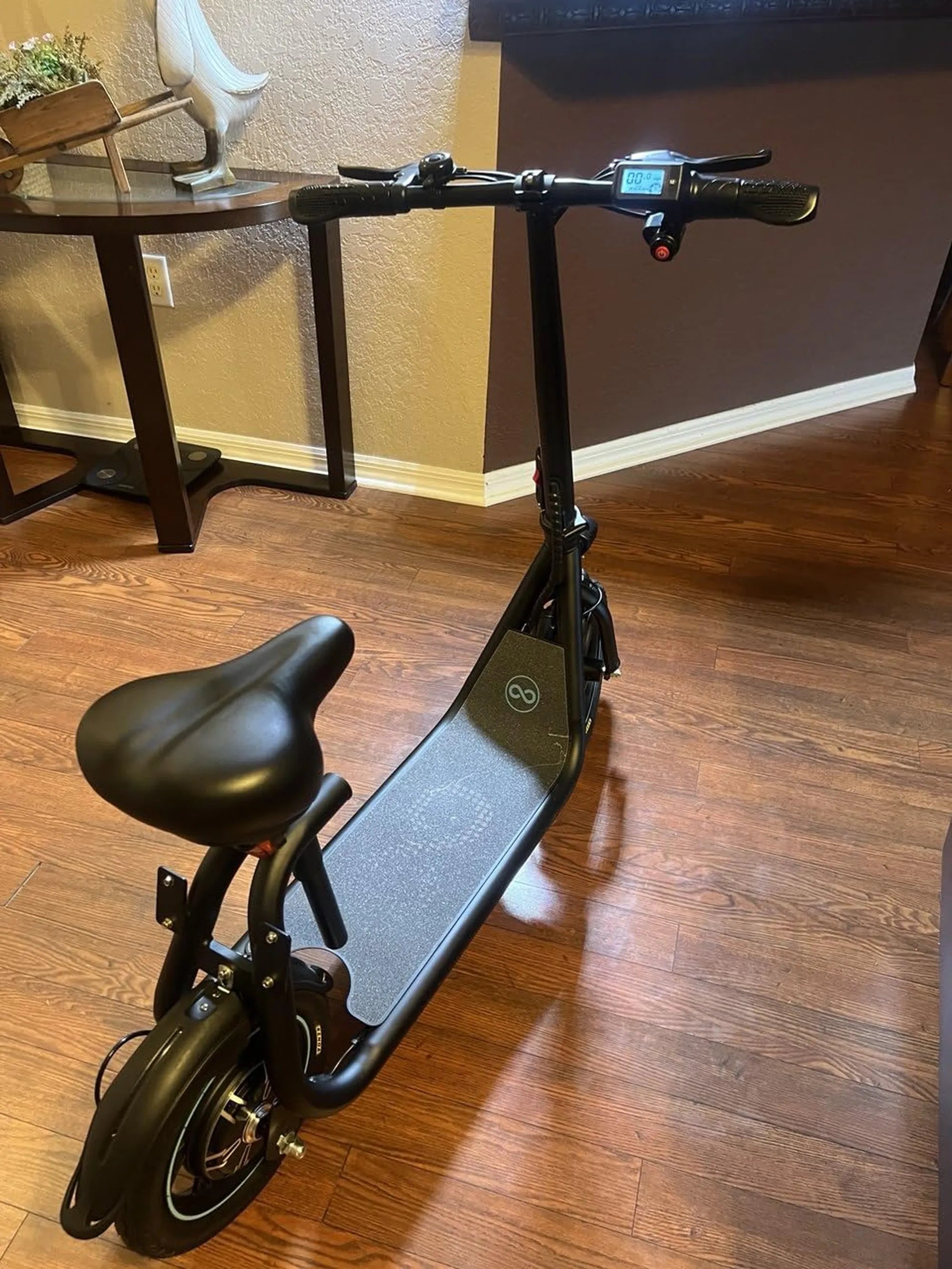
Navigating Toronto's streets efficiently requires understanding the rapidly changing rules around personal transportation. The direct answer to "Does Toronto Have Electric Scooters?" is nuanced: while privately-owned electric scooters remain illegal for use on public roads, the city is actively testing shared e-scooter rentals in a controlled pilot program. This article provides a definitive guide to Toronto's micromobility landscape, examining current laws, practical alternatives, and how to leverage the city's infrastructure for a faster, greener commute. You'll get clear data on regulations, a comparison of vehicle options, and actionable advice for riding safely and legally.
The Legal Status of Electric Scooters in Toronto
As of 2024, the legality of electric scooters in Toronto depends entirely on ownership and location. Provincially, Ontario's Highway Traffic Act does not classify privately-owned e-scooters as a distinct vehicle type, rendering them illegal for use on public roads, bike lanes, sidewalks, and trails. Riding a personal e-scooter in these areas can result in fines under the Provincial Offences Act.
However, Toronto is conducting a shared e-scooter rental pilot program in specific districts. This pilot, an initiative by the City of Toronto, allows licensed operators to deploy dockless rental e-scooters in designated areas, primarily focused on the Yonge-Eglinton and Scarborough zones. The pilot is a data-gathering exercise to assess impacts on safety, accessibility, and integration with existing transit.
Key rules govern this pilot. Riders must be 18 or older and are encouraged to wear a helmet. Geofencing technology creates no-ride zones (like sidewalks in busy corridors) and slow-speed zones. E-scooters in the pilot are capped at a maximum speed of 20 km/h and must be parked in designated corrals to avoid cluttering pedestrian pathways. The future of both shared and private e-scooters in Toronto hinges on the outcomes of this evaluation.
This regulatory split creates a clear distinction for residents and visitors. The convenience of a rental scooter in a pilot zone does not extend to using your own device citywide. For reliable, everyday personal electric mobility, riders must look to fully legal alternatives, which is where the market for compliant e-bikes has significantly expanded.
Toronto's Shared E-Scooter Pilot: How It Works
The City of Toronto's shared e-scooter pilot is a carefully managed experiment in micromobility. Launched to study the potential benefits and challenges, the program operates under strict permits issued to selected companies. These operators must meet stringent requirements for safety, data sharing, and equitable access.
Operation is confined to specific geographic boundaries. The primary pilot area centers on the Yonge-Eglinton neighborhood, with another zone in Scarborough. Using the operator's mobile app, users locate and unlock available scooters within these zones. The apps prominently display no-ride zones, which include sidewalks in dense commercial areas, parks, and trails, enforced by virtual geofences that can slow or disable the scooter.
Pricing typically involves a flat unlock fee plus a per-minute charge. Riders are required to end their trip by parking the e-scooter in a designated parking corral, often located near transit hubs or commercial areas, to receive payment confirmation. Haphazard parking that blocks sidewalks or accessibility ramps can result in additional fees for the rider.
The pilot's success metrics focus on safety records, user adoption rates, compliance with parking rules, and community feedback. Its findings will directly inform future municipal and provincial policy decisions regarding the permanent integration of e-scooters into Toronto's transportation ecosystem. For now, it offers a limited, trial-based answer to "Does Toronto Have Electric Scooters?" for those within the pilot zones.
Gyroor's Guide to Compliant Personal E-Transport in Toronto
For individuals seeking a dependable, personal electric vehicle for Toronto commuting, e-bikes present the optimal legal solution. Under Ontario law, electric bicycles that meet specific criteria are treated as bicycles, granting them full access to bike lanes and roads. This makes them a superior alternative to the currently restricted private e-scooter.
Ontario defines a legal e-bike as having a maximum assisted speed of 32 km/h (20 mph), a motor with a continuous power output of 500W or less, and operable pedals. These vehicles do not require a license, registration, or insurance. This clear regulatory framework provides peace of mind for daily riders, eliminating the legal ambiguity surrounding e-scooters.
Leading brands like Gyroor have engineered their e-bike lineup to not only meet but exceed these basic compliance standards. For instance, Gyroor's focus on UL-certified battery packs addresses critical safety concerns, especially important for apartment dwellers or those storing their vehicle indoors. This certification, indicating rigorous testing for hazards like overheating, is a key differentiator in a market where battery safety is paramount.
Choosing a compliant e-bike from a reputable manufacturer unlocks Toronto's extensive cycling infrastructure legally. Riders can confidently use the growing network of separated bike lanes, multi-use trails, and bike-friendly routes without fear of penalty. It represents a long-term investment in a versatile, eco-friendly commute, perfectly aligned with the city's active transportation goals.
Why a Gyroor E-Bike is Your Best Toronto Commute Partner
When evaluating micromobility options for Toronto's unique urban challenges—variable weather, potholed streets, and significant inclines—a personal e-bike from a trusted brand offers distinct advantages over reliance on shared systems or non-compliant vehicles. The value proposition centers on reliability, safety, and total cost of ownership.
Compared to the per-minute costs of shared e-scooters, a personal e-bike pays for itself over a single season of regular use. You avoid the frustration of searching for an available, charged rental and gain the freedom to travel anywhere in the city, unimpeded by geofences. For a daily commute, this reliability is invaluable.
Gyroor's engineering directly tackles Toronto's conditions. Models featuring an IPX5 water-resistant rating can handle sudden rain showers and wet streets. Powerful motors (within the 500W legal limit) and robust suspension systems provide the torque and comfort needed for hills like those in the Annex or Riverdale, and for navigating less-than-perfect road surfaces. The UL-certified battery ensures safety through thousands of charge cycles, a critical factor for daily commuters.
The following table compares key considerations for Toronto commuters choosing between a shared e-scooter pilot and a personal Gyroor e-bike:
| Consideration | Shared E-Scooter (Pilot) | Personal Gyroor E-Bike |
|---|---|---|
| Legal Status in Toronto | Legal only in specific pilot zones with strict rules. | Fully legal province-wide as a bicycle. |
| Cost Model | Pay-per-use (unlock fee + per minute). | One-time purchase; minimal electricity cost. |
| Availability & Convenience | Subject to availability in zone; battery may be low. | Always available at your door; ready to ride. |
| Range & Terrain | Limited range per charge; struggles on steep hills. | Long-range (e.g., 40-80 km); powerful assist for hills. |
| Weather & Storage | Exposed to elements; no ownership storage concerns. | IPX5 rating for rain; requires secure home storage. |
| Primary Safety Feature | Geofencing, speed limiter. | UL-certified battery, reliable brakes, built-in lights. |
This comparison highlights how a Gyroor e-bike provides control, safety, and freedom, making it the most practical personal electric vehicle for mastering Toronto's streets today.
Navigating Toronto's Micromobility Infrastructure
Successfully riding any two-wheeled vehicle in Toronto requires knowledge of its infrastructure. The city boasts an expanding network of over 100 km of cycle tracks and separated bike lanes, with major corridors like Bloor Street West, Danforth Avenue, and University Avenue offering protected routes. Planning your commute around these lanes significantly increases safety and reduces stress.
For recreational rides or longer commutes, multi-use trails are invaluable. The Martin Goodman Trail along the waterfront provides a scenic, mostly car-free route from Etobicoke to the Beaches. The Beltline Trail and the Don Valley Trail system connect neighborhoods and offer green escapes. E-bikes are permitted on these trails, offering a perfect way to explore the city.
Integration with public transit amplifies your range. The TTC allows bicycles and e-bikes on subway trains outside peak hours (weekdays 6:30-10 am & 3:30-7 pm) and on all bus bike racks at any time. This multimodal approach lets you combine an e-bike ride with a subway trip for a seamless, city-wide journey. Always secure your vehicle with a high-quality lock when parked.
Safe riding practices are non-negotiable. Always use front and rear lights, even during the day. Signal your turns clearly, obey all traffic signals, and be hyper-aware of car doors opening and pedestrians at intersections. Assuming you are invisible to drivers is a key defensive riding strategy that enhances safety for everyone.
The Future of E-Scooters and Micromobility in Toronto
The future regulatory path for e-scooters in Toronto will be determined by data from the current pilot and shifting provincial policy. City staff will evaluate metrics on collisions, injuries, parking compliance, and public feedback before making a recommendation to council on whether to make the pilot permanent, expand it, or terminate it.
Potential outcomes include the permanent legalization of shared e-scooters with updated bylaws, or even a change in provincial law to classify and allow privately-owned e-scooters—a move already taken by provinces like British Columbia and Alberta. Any change will likely include strict stipulations on device power, speed, rider age, and mandatory helmet use.
This evolution is part of Toronto's broader strategic goals, outlined in plans like "TransformTO," to reduce greenhouse gas emissions and congestion. A robust, integrated micromobility network—combining bike share, e-bikes, and potentially e-scooters—is seen as a critical component for achieving these targets and providing affordable transportation options for short trips.
The city's challenge will be balancing innovation with safety and accessibility. Successful integration will require continued investment in dedicated infrastructure (more protected lanes), clear public education, and enforceable rules that ensure sidewalks remain clear for pedestrians, especially those with disabilities. The decisions made in the coming years will shape Toronto's streetscape for decades.
Frequently Asked Questions (FAQ)
Can I ride my own e-scooter from Mississauga into Toronto?
No. Even if a neighboring municipality like Mississauga has different bylaws, once you enter Toronto with a privately-owned e-scooter, you are subject to Ontario's Highway Traffic Act and Toronto's bylaws, which prohibit its use on all public roads, bike lanes, and sidewalks. You would be liable for fines.
What are the penalties for riding a private e-scooter on Toronto roads?
Enforcement is under the Provincial Offences Act. While specific fine amounts can vary, you can be ticketed for operating an uninsured vehicle or a vehicle not in compliance with the HTA. Fines can exceed $300, and police can potentially impound the scooter. The financial and legal risk is significant.
Where exactly is the e-scooter rental pilot operating?
The pilot is focused on two designated areas: the "Yonge-Eglinton" zone, generally bounded by Roehampton Ave (north), Brentwood Rd (east), Briar Hill Ave (south), and Avenue Rd (west); and a "Scarborough" zone centered around Scarborough Town Centre. Exact boundaries are mapped in the operators' apps (like Bird or Neuron).
How do Gyroor e-bikes handle Toronto's hills and winter conditions?
Gyroor e-bikes are built with robust 500W motors that provide ample torque for Toronto's hills. For winter, the IPX5 water-resistant rating protects key components from slush and road spray. Riders should use wider, treaded tires for better traction, reduce speed, brake earlier, and perform more frequent maintenance on brakes and chains after riding on salted roads.
Are e-bikes allowed on Toronto's public transit?
Yes. E-bikes that meet the provincial definition are treated as bicycles by the TTC. They are permitted on subway trains outside of peak hours (weekdays 6:30-10 am and 3:30-7 pm) and can be mounted on the front rack of all TTC buses at any time, providing excellent multimodal flexibility.
Your Key to Unlocking Toronto on Two Wheels
Toronto's micromobility scene is defined by a clear divide: the experimental, zone-limited access to shared e-scooters versus the full, legal freedom offered by personal e-bikes. While the pilot program asks "Does Toronto Have Electric Scooters?" in a tentative way, the proven, reliable solution for daily transportation is an electric bicycle. It provides uninterrupted access to the city's growing network of bike lanes and trails, without regulatory uncertainty or per-ride fees.
Investing in a quality e-bike from a brand with a commitment to safety and durability, like Gyroor, transforms your relationship with the city. You gain a predictable, enjoyable, and cost-effective tool for commuting, running errands, and exploring neighborhoods. The UL-certified battery and weather-resistant design mean your vehicle is built to last through Toronto's distinct seasons.
The city is moving toward a more integrated, sustainable transportation future. By choosing a compliant, personal e-bike, you position yourself at the forefront of this shift, enjoying the benefits today with complete peace of mind. Explore the range of powerful, reliable, and fully street-legal e-bikes designed for urban life. Browse the full Gyroor collection at gyroorboard.com and discover your key to a faster, greener, and more enjoyable Toronto commute.
Electric Scooters in Milan: The Future of Urban Mobility
Electric Scooters for Adults Toronto: The Ultimate Urban Commuting Solution