

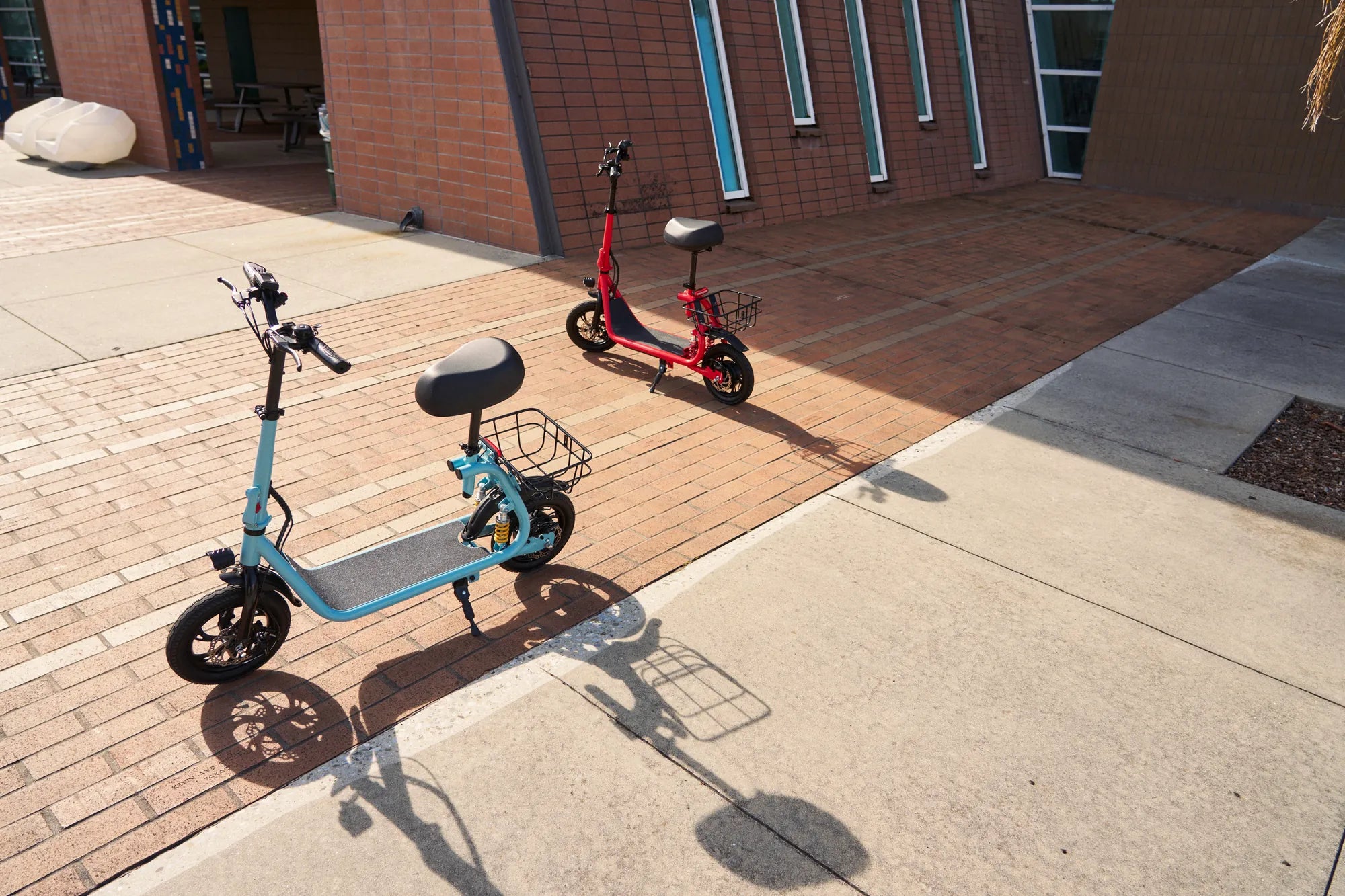
When it comes to maintaining or upgrading your mobility scooter, understanding the essential drive mobility scooter parts is crucial. These components ensure smooth operation, reliability, and longevity, allowing you to enjoy uninterrupted mobility. Whether you're a seasoned user or new to mobility scooters, knowing which parts matter most can save you time, money, and frustration.
Key Drive Mobility Scooter Parts You Should Know
The drive system of a mobility scooter is its backbone, consisting of several critical components. Here are the most important ones:
1. Motor
The motor is the heart of your mobility scooter, converting electrical energy into mechanical motion. There are two main types: brushed and brushless motors. Brushless motors are more efficient and require less maintenance, making them a popular choice for modern scooters.
2. Batteries
Batteries power the motor and other electrical components. Sealed lead-acid (SLA) and lithium-ion batteries are the most common. Lithium-ion batteries are lighter, last longer, and charge faster, but they are also more expensive.
3. Controller
The controller acts as the brain of the scooter, regulating speed and direction based on user input. A faulty controller can lead to erratic behavior or complete failure, so it's essential to keep it in good condition.
4. Throttle
The throttle allows the user to control speed. It can be a lever, twist-grip, or push-button design. Ensuring the throttle is responsive and free of damage is vital for safe operation.
5. Wheels and Tires
Wheels and tires provide traction and stability. Solid tires are puncture-proof but offer a rougher ride, while pneumatic tires provide better comfort but require regular maintenance.
6. Brakes
Brakes are critical for safety. Most scooters use electromagnetic or disc brakes. Regular inspection and maintenance of the braking system are non-negotiable for safe operation.
7. Drive Belt or Gearbox
This component transfers power from the motor to the wheels. A worn-out belt or gearbox can lead to poor performance or complete breakdown.
How to Maintain Drive Mobility Scooter Parts
Proper maintenance extends the life of your scooter and ensures optimal performance. Here are some tips:
- Check the batteries regularly: Clean terminals and ensure they are fully charged.
- Inspect the tires: Look for wear and tear, and maintain proper inflation if using pneumatic tires.
- Lubricate moving parts: Apply lubricant to the throttle, brakes, and other moving components to prevent stiffness.
- Test the brakes: Ensure they engage smoothly and effectively.
- Clean the scooter: Dirt and debris can damage electrical components over time.
Choosing the Right Replacement Parts
When replacing drive mobility scooter parts, consider the following:
- Compatibility: Ensure the part is designed for your scooter model.
- Quality: Opt for high-quality parts to avoid frequent replacements.
- Warranty: Look for parts with a warranty to protect your investment.
- Professional installation: Some parts may require expert installation to ensure proper function.
Common Issues and Troubleshooting
Even with proper maintenance, issues can arise. Here are some common problems and their solutions:
- Scooter won't start: Check the battery connections and charge level. If the issue persists, the controller or motor may be faulty.
- Reduced speed or power: This could indicate a failing motor, worn-out batteries, or a damaged throttle.
- Strange noises: Grinding or squeaking sounds may point to issues with the drive belt, gearbox, or wheels.
By understanding these essential drive mobility scooter parts and how to care for them, you can keep your scooter running smoothly for years to come. Whether you're tackling maintenance yourself or seeking professional help, knowing what to look for empowers you to make informed decisions. Don't let a minor issue turn into a major problem—stay proactive and enjoy the freedom your mobility scooter provides.
Class 3 Ebike 750W: The Ultimate Guide to Speed, Power, and Efficiency
Cheap Dirt Bike Motorcycles: The Ultimate Guide to Affordable Off-Road Adventures