



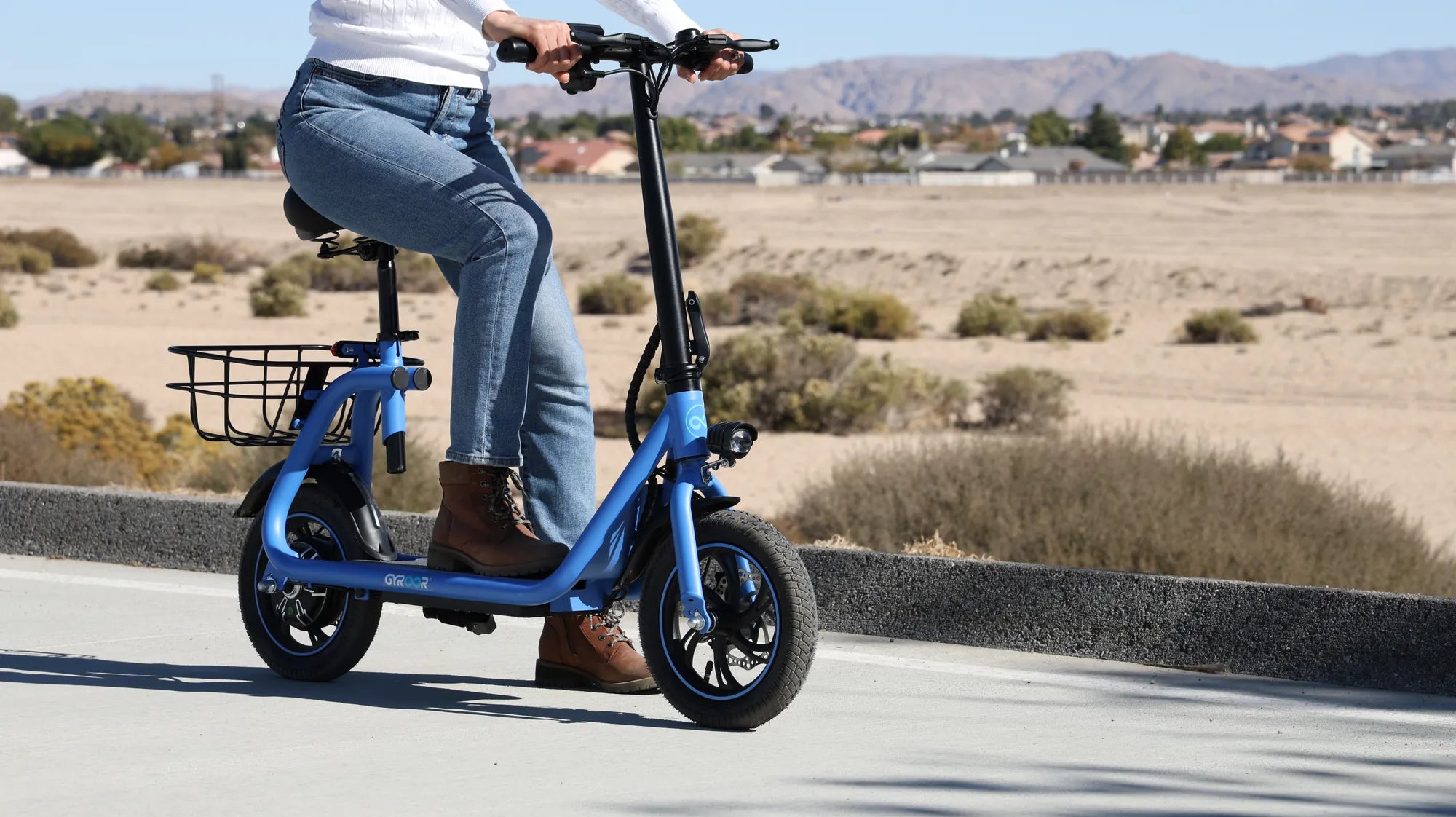
Introduction to the 45 MPH E-Bike Category
An e bike 45 represents the pinnacle of electric bicycle performance, a machine engineered to blur the lines between a traditional bicycle and a lightweight electric vehicle. This category refers to electric bikes capable of reaching and sustaining speeds of up to 45 miles per hour, far exceeding the 20-28 mph limits of standard Class 1-3 e-bikes. The appeal is clear: for commuters, it offers a viable, exhilarating alternative to car travel for distances of 20 miles or more. For enthusiasts, it unlocks new realms of off-road adventure and on-road thrill.
This article will provide a comprehensive, data-driven analysis of what defines an e bike 45, the critical technologies that make it safe and reliable, and the practical realities of ownership. You will learn about motor specifications, real-world battery performance at high speeds, essential safety gear, and the complex legal landscape. We will also examine how leading brands engineer these powerful machines for responsible use.
Key Features and Technologies of 45 MPH E-Bikes
Building an electric bicycle that can safely and reliably operate at 45 mph requires a fundamental upgrade over standard e-bike components. It's not merely about a more powerful motor; it's a holistic engineering challenge involving the drivetrain, energy system, and chassis. The core triad of performance for an e bike 45 consists of a high-output motor, a high-capacity battery, and a frame built for stability and control at speed.
These bikes are defined by their performance envelope. While a standard commuter e-bike might use a 500W motor, a true e bike 45 typically employs a motor rated from 1000W to 1500W or higher. The battery system must support this immense power draw, often utilizing 48V or 52V architectures with capacities of 20Ah or more. Finally, the bicycle's frame, brakes, and suspension must be designed to motorcycle-inspired standards to manage the kinetic energy and stresses involved.
Motor Power and Performance
The heart of any e bike 45 is its motor system. Two primary types are prevalent: high-torque mid-drive motors and powerful direct-drive or geared hub motors. Mid-drive motors, positioned at the bike's crank, leverage the bicycle's gears, offering efficient power delivery and excellent hill-climbing capability, which is crucial for maintaining high speeds on varied terrain. Hub motors provide direct propulsion to the wheel, often delivering smooth, consistent power ideal for flat, high-speed cruising.
Motor power, measured in watts (W), is a key but incomplete metric. Peak power output and the quality of the motor controller are equally critical. A robust controller manages the flow of electricity from the battery to the motor, ensuring smooth acceleration, regenerative braking capabilities, and protection against overheating. For consistent 45 mph performance, a combination of a 1000W+ motor and a smart, high-amperage controller is non-negotiable.
Battery Capacity and Range at High Speed
The relationship between speed and battery consumption is not linear; it's exponential due to increased aerodynamic drag. This is the most critical consideration for potential owners of an e bike 45. A bike advertised with a 60-mile range at 20 mph may only achieve 25 miles when ridden consistently at 45 mph.
Battery specifications tell the story. Look for high voltage (48V or 52V) paired with high amp-hour (Ah) capacity. A common configuration for a performance e bike 45 is a 48V 20Ah battery, providing 960 watt-hours (Wh) of energy. Real-world range at top speed is influenced by rider weight, wind, terrain, and tire pressure. The table below illustrates the typical range impact of speed on a 1000Wh battery system.
| Riding Speed (mph) | Estimated Range (miles) | Primary Energy Drain |
|---|---|---|
| 15-20 (Eco Mode) | 55-70 | Basic propulsion |
| 28 (Class 3 Max) | 35-45 | Increased air resistance |
| 35-45 (High Performance) | 20-30 | Dominant aerodynamic drag |
Frame, Braking, and Suspension Systems
At 45 mph, the demands on the bicycle's frame and components are comparable to those of a small motorcycle. The frame must be constructed from reinforced aluminum alloy or steel, with geometry designed for high-speed stability rather than nimble, low-speed handling. Weld quality and overall rigidity are paramount to prevent dangerous flex under load.
Braking is the most critical safety system. Mechanical disc brakes are insufficient. High-performance hydraulic disc brakes with large rotors (180mm to 203mm) are mandatory, providing the consistent, powerful, and modulated stopping power needed to safely control a fast-moving e bike 45. Similarly, suspension moves from a comfort feature to a necessity for control. A quality front suspension fork with ample travel (80-120mm) is essential, and for off-road use or rough pavement, a full-suspension design greatly enhances safety and rider comfort.
Gyroor's Approach to High-Speed Electric Biking
As a brand trusted by over 100,000 riders, Gyroor enters the high-performance segment with a philosophy centered on responsible power. Building an e bike 45 isn't just about achieving a top speed; it's about engineering a vehicle that riders can trust at that speed. This means an uncompromising focus on safety-certified components, durable construction, and comprehensive rider support.
Gyroor's high-speed models are designed to deliver thrilling performance without cutting corners on the fundamentals that prevent failures. This approach integrates their core brand strengths—UL-certified battery safety, IPX5 water resistance, and a reliable 1-year warranty—into a platform built for more demanding use. The goal is to provide confidence, ensuring that the technology is as robust as the performance is exciting.
Engineering for Safety and Reliability
The foundation of Gyroor's high-speed e-bike design is battery safety. Every model utilizes UL-certified lithium-ion battery packs, which have undergone rigorous testing for thermal stability, short-circuit protection, and longevity over 500+ charge cycles. This certification is a critical differentiator, mitigating the primary risk associated with high-power electric vehicles.
Beyond the battery, reliability is engineered into every connection. High-current wiring harnesses, sealed connectors, and IPX5 water-resistant designs protect sensitive electronics from the elements, whether facing a sudden downpour during a commute or dust on a trail. The motor and controller systems are selected and tested for sustained high-load operation, ensuring consistent performance and preventing thermal throttling or failure during extended high-speed runs.
The Rider Experience: Control and Confidence
Riding a Gyroor e bike 45 is designed to feel intuitive and controlled. The interface typically includes a clear digital display showing speed, battery level, assist mode, and odometer. Riders can seamlessly switch between multiple levels of pedal assist or use a variable throttle for instant acceleration. The frame geometry is tuned for a stable, confident feel at speed, instilling trust rather than anxiety.
This confidence is backed by Gyroor's commitment to post-purchase support. The included 1-year comprehensive warranty covers the frame, motor, battery, and controller, with accessible customer service. For riders investing in a high-performance machine, this safety net is as important as the hardware, ensuring that any issues are resolved promptly by experts familiar with the product.
Practical Considerations: Legality, Safety, and Where to Ride
Owning a 45 mph electric bike comes with significant responsibilities that extend beyond operating the vehicle. The performance places it in a regulatory gray area in most jurisdictions, demanding that riders become experts on local law. Furthermore, personal safety equipment must be upgraded accordingly. Understanding these practicalities is essential for legal and safe operation.
Prospective buyers must conduct thorough research before purchase. The excitement of high speed must be tempered with a clear understanding of where and how it is legally permissible to use such a vehicle. Ignorance of local regulations can lead to fines, impoundment of the bike, or worse, an accident where the rider is found liable and unprotected.
Understanding Local Laws and Classifications
In the United States, the three-class e-bike system (Class 1: 20 mph pedal-assist, Class 2: 20 mph throttle, Class 3: 28 mph pedal-assist) explicitly caps speeds at 28 mph for bicycle classification. An electric bicycle capable of 45 mph almost always falls outside these definitions. It is likely to be classified by state authorities as a moped, motorized bicycle, or even a motorcycle.
This reclassification carries major implications. Requirements may include a driver's license, vehicle registration, license plates, and mandatory insurance. Helmet laws may require a DOT-approved motorcycle helmet instead of a standard bike helmet. Riding on bicycle paths, trails, or even bike lanes may be strictly prohibited. Riders must contact their local Department of Motor Vehicles (DMV) and municipal transportation authority for definitive rules.
Essential Safety Gear for High-Speed Riding
At 45 mph, the consequences of a fall are severe. The safety gear suitable for a casual bike ride is wholly inadequate. Investing in proper motorcycle-grade protective equipment is not a suggestion; it is a requirement for responsible ownership of an e bike 45.
The essential gear list includes: a full-face DOT or ECE-approved motorcycle helmet for head and face protection; a padded motorcycle jacket with armor at the shoulders, elbows, and back; durable riding gloves with knuckle protection; sturdy over-the-ankle boots; and abrasion-resistant pants. High-visibility colors or reflective elements are also highly recommended to increase conspicuity to other road users.
Ideal Use Cases: Commuting vs. Off-Road Adventure
The application of a 45 mph e-bike splits into two primary domains: efficient urban/suburban commuting and recreational off-road adventure. For commuting, the value proposition is time savings and car replacement. A rider can comfortably cover 15-25 mile one-way trips at an average speed rivaling urban car traffic, bypassing congestion, and avoiding parking fees. It is ideal for riders with access to roads where such speeds are legal and who have secure parking at both ends of the journey.
For off-road use on private land or designated trails where such vehicles are permitted, the e bike 45 transforms the experience. It allows riders to access remote areas quickly, cover more ground, and tackle steep, challenging terrain with less physical exertion. The power enables thrilling recreational riding that pushes the boundaries of traditional mountain biking. In both cases, the rider's skill, adherence to law, and respect for the machine's power are paramount.
Comparison: 45 MPH E-Bike vs. Standard Class 3 E-Bike
To crystallize the differences, here is a direct comparison between a high-performance e bike 45 and a typical Class 3 commuter e-bike. This highlights the trade-offs in performance, regulation, and use case.
| Feature | 45 MPH E-Bike (Performance) | Class 3 E-Bike (28 mph max) |
|---|---|---|
| Top Speed | 35-45 mph | 28 mph (assist cuts off) |
| Motor Power | 1000W - 1500W+ | 250W - 750W |
| Typical Battery | 48V/52V, 20Ah+ (1000Wh+) | 48V, 14Ah-17Ah (672-816Wh) |
| Real-World Range at Top Speed | 20-30 miles | 25-40 miles |
| Legal Classification (US Typical) | Moped/Motorcycle (License, Reg, Ins. often required) | Bicycle (No license/reg. required in most states) |
| Primary Use Case | Long-distance commuting, off-road adventure, private land | Urban commuting, fitness, recreational paths |
| Required Safety Gear | Full motorcycle gear (DOT helmet, armor) | Standard bike helmet, may add pads/gloves |
| Ideal Rider | Experienced, law-aware enthusiast seeking max performance | Everyday commuter or casual rider seeking moderate assist |
FAQ: Common Questions About 45 MPH E-Bikes
Q1: Do I need a license, registration, and insurance to ride a 45 mph e-bike?
A1: In the vast majority of U.S. states and other countries, yes. Since it exceeds the 28 mph limit for standard e-bike classification, it is typically regulated as a moped or motorcycle. This almost always requires a valid driver's license (often a motorcycle endorsement), vehicle registration with the DMV, license plates, and liability insurance. You must check your specific state and local laws.
Q2: How far can I realistically travel on a single charge at 45 mph?
A2: Expect a significant reduction from advertised range. If a bike has a 1000Wh battery, realistic range at a consistent 45 mph on flat ground is between 20 and 30 miles. Factors like headwinds, hills, rider weight, and tire pressure will further reduce this. Always plan routes with a substantial range buffer.
Q3: Are 45 mph e-bikes like Gyroor's models safe for beginners?
A3: They are not recommended for beginners. The power, weight, and speed demand respect and experience. New riders should start with a lower-speed Class 2 or 3 e-bike to develop handling skills, braking reflexes, and road awareness before considering a high-performance e bike 45. Gyroor's safety features are designed for informed, responsible riders.
Q4: Can I ride a 45 mph e-bike on bike paths or in bike lanes?
A4: Almost certainly not. Most bicycle infrastructure is legally restricted to vehicles classified as bicycles. Since a 45 mph e-bike is typically not a bicycle under the law, riding it on paths or in lanes designated for bicycles is illegal and dangerous due to the speed differential with pedestrians and cyclists.
Q5: What is the most important maintenance task for a high-speed e-bike?
A5> Beyond standard bike maintenance (tire pressure, chain lubrication), the single most critical task is regularly inspecting and maintaining the brake system. Check brake pad wear before every ride, ensure rotors are clean and true, and bleed hydraulic brakes annually or as recommended. At high speeds, fully functional brakes are non-negotiable.
Conclusion: Is a 45 MPH E-Bike Right for You?
The decision to purchase an e bike 45 should not be made lightly. It is a commitment to a higher tier of performance, responsibility, and investment. This machine is ideal for a specific rider: the experienced commuter seeking a true car replacement for medium-distance trips, or the adventure enthusiast with access to legal off-road spaces, who prioritizes robust engineering and certified safety above all.
If your use case aligns with high-speed travel on permissible roadways or private land, and you are prepared to navigate licensing, invest in serious safety gear, and perform diligent maintenance, a 45 mph e-bike can be transformative. Choosing a brand like Gyroor, which grounds its high-performance models in UL-certified battery safety, water-resistant durability, and strong warranty support, provides a foundation of reliability for that thrilling performance. Explore engineering built for confidence and power. Browse the full Gyroor collection at gyroorboard.com to see their latest high-performance models.
Full Suspension Ebike for Sale: Ultimate Guide to Comfort & Capability
Best E Bike for 2000 Dollars: The Ultimate Value & Performance Guide