

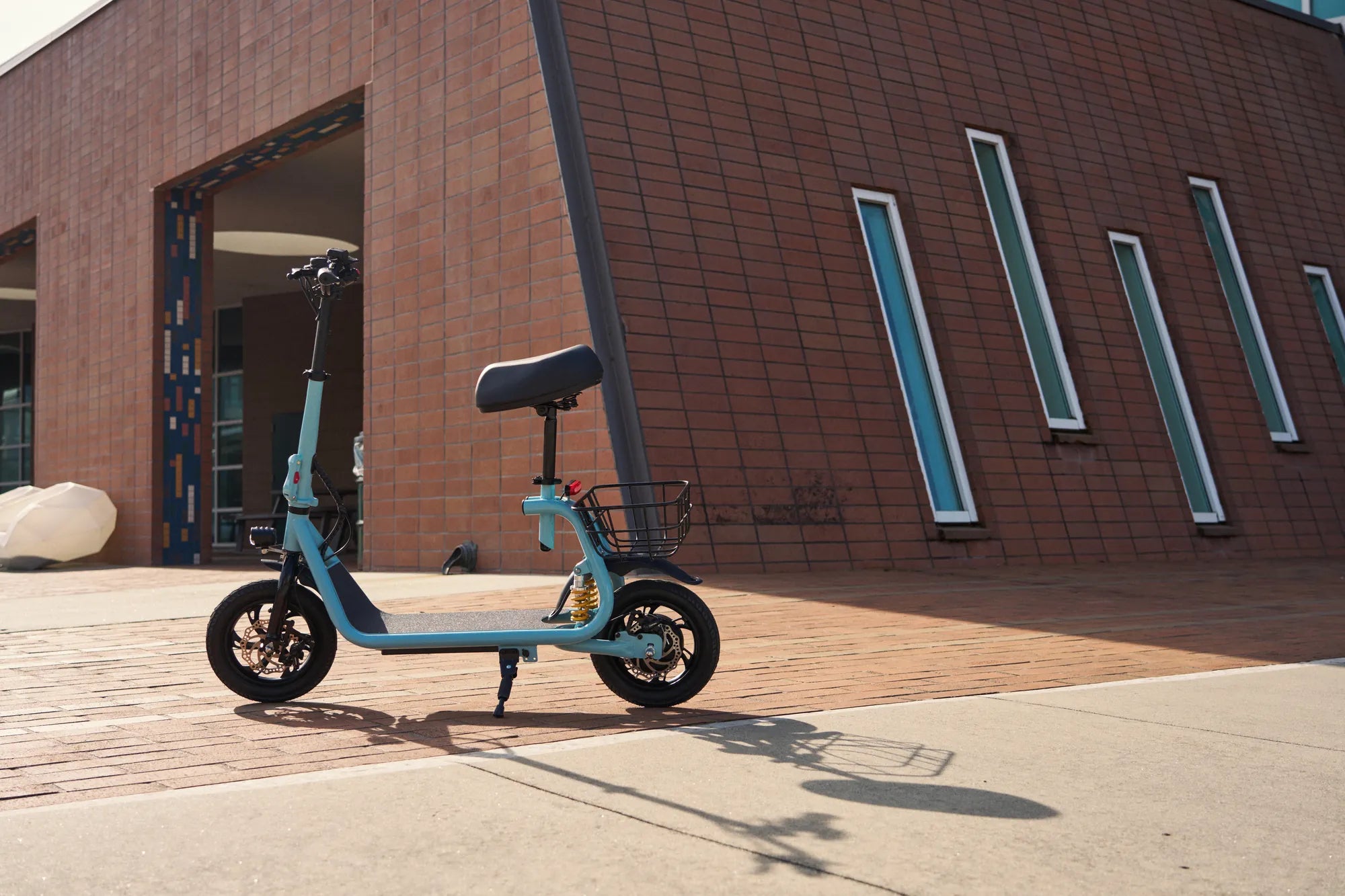
If you're an e-bike enthusiast, you know that the e-bike controller 48V is the unsung hero of your ride. This compact yet powerful component is the brain behind your bike's performance, dictating speed, acceleration, and overall efficiency. Whether you're a casual rider or a hardcore commuter, understanding how this device works can transform your e-bike experience. Let's dive into the world of 48V controllers and uncover what makes them indispensable.
What Is a 48V E-Bike Controller?
The e-bike controller 48V is an electronic device that manages the power flow between the battery, motor, and other components of your electric bike. It acts as the central nervous system, ensuring smooth operation by regulating voltage, current, and speed. A 48V controller is designed to handle higher power outputs, making it ideal for riders who demand more speed and torque from their e-bikes.
Key Features of a 48V E-Bike Controller
Here are some standout features of a high-quality 48V e-bike controller:
- Voltage Compatibility: Designed specifically for 48V battery systems, ensuring optimal performance.
- Current Regulation: Prevents overheating and extends the lifespan of your motor and battery.
- Programmable Settings: Allows customization of speed limits, acceleration, and other parameters.
- Protection Mechanisms: Includes safeguards against overvoltage, short circuits, and overheating.
Why Choose a 48V Controller?
Upgrading to a 48V e-bike controller offers several advantages:
- Higher Speed: Delivers more power to the motor, enabling faster acceleration and top speeds.
- Improved Efficiency: Optimizes energy usage, extending your battery's range per charge.
- Better Torque: Enhances climbing ability, making it easier to tackle hills and rough terrain.
- Smooth Ride: Provides consistent power delivery, reducing jerky movements and improving comfort.
How to Maintain Your 48V E-Bike Controller
To keep your e-bike controller 48V in top condition, follow these maintenance tips:
- Keep It Dry: Moisture can damage electronic components, so avoid riding in heavy rain or submerging the controller.
- Check Connections: Regularly inspect wiring and connectors for signs of wear or corrosion.
- Monitor Temperature: Overheating can reduce performance, so ensure proper ventilation and avoid overloading the system.
- Update Firmware: If your controller supports it, keep the software updated for the latest features and bug fixes.
Common Issues and Troubleshooting
Even the best 48V e-bike controllers can encounter problems. Here are some common issues and how to address them:
- No Power Output: Check battery connections and ensure the controller is receiving voltage.
- Erratic Behavior: Inspect wiring for loose or damaged connections and reset the controller if possible.
- Overheating: Reduce load or upgrade to a controller with higher current capacity.
- Error Codes: Refer to the manufacturer's manual to diagnose and resolve specific error messages.
Upgrading Your E-Bike Controller
If you're considering upgrading to a 48V e-bike controller, here's what to keep in mind:
- Compatibility: Ensure the controller matches your motor and battery specifications.
- Installation: Follow the manufacturer's instructions or seek professional help for a seamless upgrade.
- Testing: After installation, test the system at low speeds to ensure everything works correctly.
Ready to take your e-bike to the next level? A 48V e-bike controller is the key to unlocking faster speeds, better efficiency, and a smoother ride. Whether you're upgrading or maintaining your current setup, this small but mighty component will keep you riding longer and stronger. Don't wait—experience the difference today!
125cc Dirt Bike Under $800: The Ultimate Budget Off-Road Adventure
Ride on Ebike: The Ultimate Guide to Eco-Friendly Commuting