

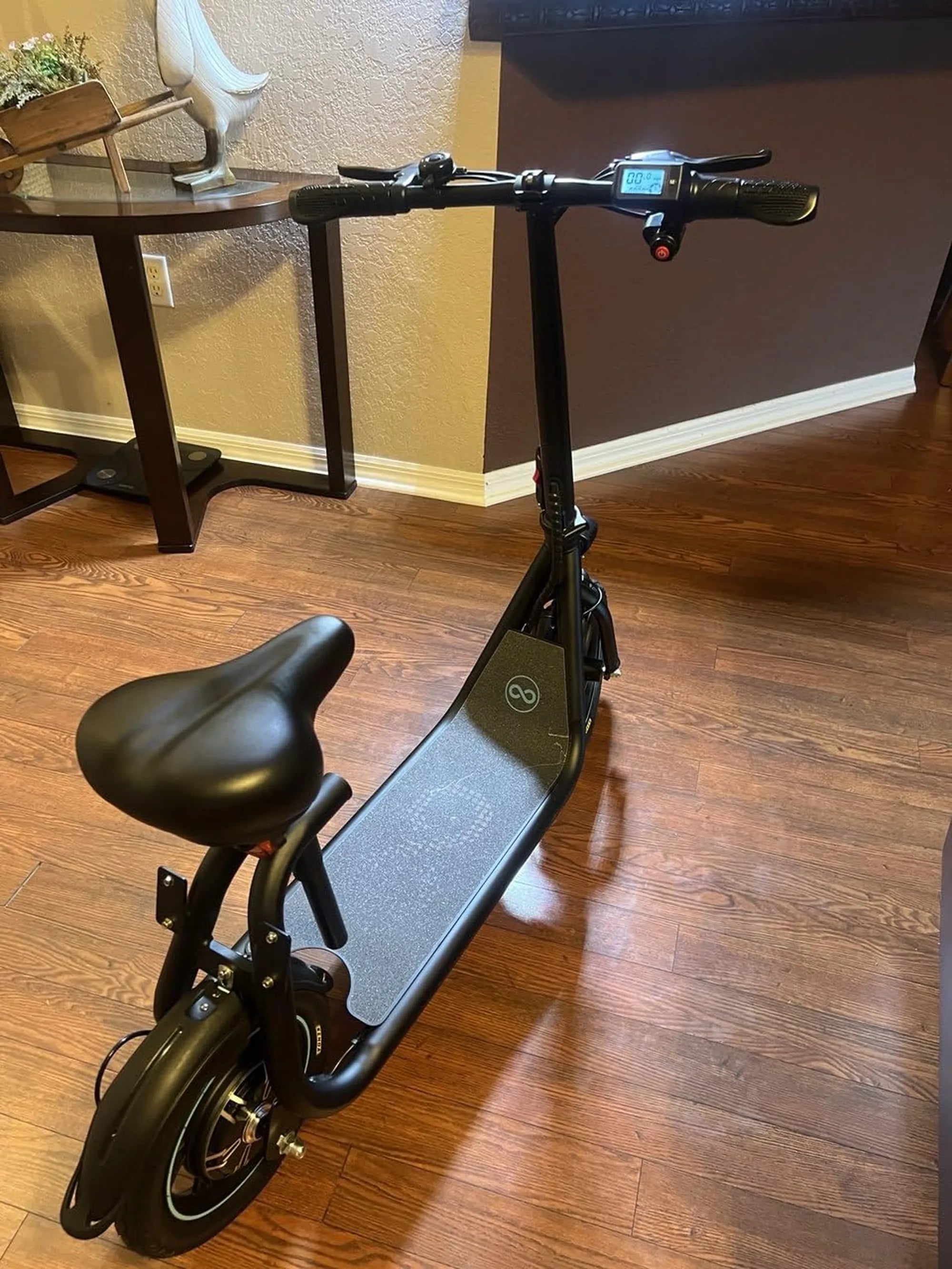
Introduction to E-Bikes: Your Gateway to Modern Mobility
An electric bicycle, or e-bike, integrates a battery-powered motor to assist your pedaling effort. This simple addition transforms cycling, making hills manageable, distances shorter, and commutes sweat-free. The core components are the motor, the battery pack, and an electronic controller that manages the level of assistance provided to the rider.
Adoption of e-bikes is accelerating globally as they solve pressing urban challenges. They offer a cost-effective, environmentally friendly alternative to cars for short trips, reduce traffic congestion, and expand personal mobility without requiring a license for most models. For recreation and fitness, they enable riders of varying abilities to enjoy cycling together and explore further.
This definitive e bike guide is designed to cut through the noise. You will learn how e-bikes are classified by law, how to evaluate their critical components, and how to match a model to your specific lifestyle. We'll also cover essential safety protocols and maintenance to ensure your investment delivers years of reliable service.
Understanding these fundamentals is the first step toward confident ownership and unlocking a new dimension of freedom on two wheels.
Understanding E-Bike Classes and Regulations
In North America, e-bikes are typically categorized into three classes, a system crucial for understanding where you can legally ride. These classifications are based on how the motor engages and its maximum assisted speed.
Class 1 e-bikes provide assistance only when you are pedaling, with the motor cutting off at 20 mph (32 km/h). They are generally permitted anywhere a traditional bicycle is allowed, including most bike paths and trails. This makes them a versatile choice for commuters and recreational riders.
Class 2 e-bikes are equipped with a throttle that can propel the bike without pedaling, up to 20 mph. The motor disengages at that speed. While offering effortless starts, some municipalities or trail systems restrict throttle-only e-bikes, so local verification is essential.
Class 3 e-bikes, often called speed pedelecs, provide pedal-assist up to 28 mph (45 km/h). They may or may not include a throttle (often limited to 20 mph if present). Due to their higher speed, they are frequently restricted from bike paths and may require helmet use, and in some regions, rider age minimums.
Always check your local and state regulations, as they can vary. For safety, a properly fitted helmet is non-negotiable for all classes. For Class 3 riding, consider additional protective gear like gloves and glasses. Understanding these rules from the start of your e bike guide journey ensures responsible and lawful riding.
Key Components: What to Look for When Choosing an E-Bike
The performance, feel, and longevity of an e-bike are dictated by its core components. Moving beyond marketing claims to understand these elements is key to making a smart purchase that aligns with your expectations and budget.
A quality e-bike is a synergy of a robust frame, a reliable motor, a long-lasting battery, and responsive brakes. Compromising on one area can diminish the overall experience. This section of our e bike guide breaks down each critical part.
Brands that prioritize safety and durability, like Gyroor, build their reputation on these fundamentals. With over 100,000 riders trusting their UL-certified batteries and robust designs, it highlights the importance of component quality for peace of mind.
Motor Type and Placement: Hub vs. Mid-Drive
The motor is the heart of the e-bike. The two primary configurations are hub motors and mid-drive motors, each with distinct advantages.
Hub motors are located in the center of the front or rear wheel. They are generally more affordable, simpler in design, and require less maintenance. A rear hub motor provides direct drive and good traction, while a front hub can offer a sensation of being pulled along. They are excellent for flat to moderately hilly terrain and provide consistent power independent of your gear selection.
Mid-drive motors are positioned at the bike's crank and pedal system. They leverage the bicycle's existing gears, making them highly efficient, especially on steep hills. The weight is centralized for better balance and handling, offering a more natural, "bike-like" feel. They are typically found on higher-performance and off-road e-bikes but come at a higher cost.
Your choice depends on terrain and riding style. For city commuting on paved paths, a hub motor is often sufficient. For mountainous trails or carrying heavy loads up hills, a mid-drive's torque and efficiency are superior.
Battery and Range: Decoding the Specs
Battery anxiety is a common concern, but understanding the specifications demystifies real-world range. The key metric is watt-hours (Wh), which is voltage (V) multiplied by amp-hours (Ah).
A higher Wh number generally indicates a larger capacity and longer potential range. For example, a 36V 10Ah battery is 360Wh, while a 48V 14Ah battery is 672Wh—nearly double the capacity. However, advertised ranges are maximum estimates under ideal conditions.
Real-world range is affected by multiple factors: rider weight, cargo load, terrain, wind, tire pressure, and the level of pedal assist used. Using a high assist level on hilly routes will drain the battery faster than moderate assist on flat ground.
As a rule of thumb, you can expect approximately 15-35 miles per 100Wh of battery capacity, depending on conditions. For reliable daily commuting, a 500Wh battery is a good starting point. Investing in a battery with a recognized safety certification, like UL, is critical for long-term safety and performance.
Frame, Build Quality, and Warranty
The frame is the foundation. Most modern e-bikes use aluminum alloys for a good strength-to-weight ratio and rust resistance. Steel frames offer durability and a smooth ride but are heavier. Carbon fiber is lightweight and high-performance but expensive.
Pay close attention to the stated weight capacity of the bike, which includes the rider and any cargo. Exceeding this limit stresses components and is unsafe. Overall construction quality—welds, paint, and component integration—is a strong indicator of the manufacturer's attention to detail.
A comprehensive warranty is your safety net. Look for at least a 1-year warranty on the entire bike, with longer coverage (2+ years) on the frame and motor. Reliable customer support is invaluable for troubleshooting. A brand that stands behind its product, like Gyroor with its reliable 1-year warranty, significantly reduces long-term ownership risk.
How to Choose the Right E-Bike for Your Lifestyle
With an understanding of the components, the next step in this e bike guide is practical application. The best e-bike for you is the one that aligns seamlessly with your primary use case. Consider where you'll ride most often and what you need to carry.
Matching the bike's strengths to your daily needs ensures it becomes a tool you use consistently, not a novelty that gathers dust. The following categories will help narrow your focus.
The Urban Commuter & City Cruiser
For daily travel on paved streets and bike lanes, priorities shift toward comfort, practicality, and reliability. An upright riding position reduces strain on your back and neck. Essential features include full-length fenders to block road spray, integrated bright lights for visibility, and rear rack mounts for panniers or a basket.
A moderately powerful hub or mid-drive motor (250W-500W) provides ample assistance for stop-and-go traffic and moderate hills. A battery with at least 400Wh capacity ensures you won't run out of power on a round-trip commute. puncture-resistant tires are a valuable addition for urban environments.
Durability for daily use is paramount. A commuter e-bike should be built to handle all weather conditions, a feature emphasized in brands like Gyroor with their IPX5 water-resistant designs. This category is where a thoughtful e bike guide proves most valuable for transforming a daily chore into an enjoyable journey.
The Adventure & Off-Road Explorer
If your goal is to explore trails, fire roads, or mountainous terrain, your e-bike needs to be more robust. A capable suspension system—front fork or full-suspension—is crucial to absorb impacts and maintain control. Wide, knobby tires provide traction on loose dirt, gravel, and mud.
A mid-drive motor is often the preferred choice here for its superior hill-climbing torque and efficient power delivery through the bike's gears. The motor should feel responsive and powerful, allowing you to tackle steep inclines with confidence.
Battery capacity is critical for longer excursions away from power outlets. Look for a high-capacity battery (600Wh or more) to ensure you have enough power for the entire adventure. The frame should have high ground clearance and be built from durable materials to withstand the rigors of off-road use.
The Utility & Cargo Hauler
Cargo e-bikes are designed to replace car trips for grocery runs, school drop-offs, or small business deliveries. They feature an extended wheelbase or a large front/rear cargo platform for exceptional stability when carrying loads. Weight capacities often exceed 400 lbs.
Power is non-negotiable. A high-torque motor (often 500W or more, either robust hub or mid-drive) is necessary to move heavy loads efficiently, especially from a stop or on hills. Dual battery options are common to extend range when fully loaded.
Practical accessories like integrated kickstands, running boards for passengers, and weatherproof cargo boxes are hallmarks of this category. For families or small businesses, a cargo e-bike is a transformative investment in sustainable logistics.
Essential E-Bike Safety, Maintenance, and Ownership Tips
Owning an e-bike comes with responsibilities for safety and upkeep. Proper care not only prevents accidents but also protects your investment and ensures optimal performance for years. This section of our e bike guide provides actionable protocols.
Establishing good habits from day one is easier than correcting bad ones later. These tips apply universally, whether you own a city cruiser or a mountain explorer.
Pre-Ride Safety Checklist
Develop a routine inspection before every ride. First, check tire pressure with a gauge; under-inflated tires increase rolling resistance and puncture risk. Squeeze brake levers to ensure they engage firmly and the pads are not worn down.
Test your front and rear lights to ensure they are functional, even if riding during the day. Verify that the battery is securely locked in place and has sufficient charge for your planned trip. Finally, do a quick visual check for any loose bolts or parts, paying attention to the stem, handlebars, and seat post.
This two-minute ritual significantly reduces the chance of mechanical failure while riding.
Battery Care and Best Practices
Proper battery management is the single most important factor for long-term value. Always use the manufacturer-provided charger. Avoid charging the battery in extreme heat (like a hot garage in summer) or freezing cold, as this degrades cells.
For daily use, it's fine to charge to 100%. However, if storing the e-bike for several weeks or months, store the battery in a cool, dry place with a charge level between 30% and 60%. Avoid completely draining the battery to 0% regularly.
These practices help maximize the battery's cycle life—the number of full charges it can undergo before significant capacity loss. A quality UL-certified battery, like those used by Gyroor, is engineered for over 500 charge cycles with proper care.
Routine Maintenance Schedule
Regular maintenance keeps your e-bike running smoothly and safely. After wet or muddy rides, wipe down the frame and drivetrain. Lubricate the chain every 100-200 miles with a bicycle-specific lubricant, wiping off excess.
Every 500 miles, have a professional mechanic inspect the brake pads for wear, check and adjust the derailleur shifting, and inspect all bearings (headset, wheels, bottom bracket). Annually, consider a full professional tune-up to address any hidden wear.
Keeping the electrical connections clean and dry is also important. Avoid using a high-pressure hose; a damp cloth is sufficient for cleaning. Adhering to this schedule preserves performance and can prevent costly repairs.
E-Bike Comparison Table: Key Specifications at a Glance
This table provides a quick-reference overview of how different e-bike types prioritize key specifications. Use it as a starting point for your comparison.
| E-Bike Type | Primary Use | Ideal Motor Type | Typical Battery Range | Key Features |
|---|---|---|---|---|
| Urban Commuter | City streets, paved paths | Hub or Mid-Drive | 25-50 miles | Fenders, lights, rack mounts, upright geometry |
| Adventure/MTB | Trails, off-road | Mid-Drive | 20-40 miles | Suspension, knobby tires, high-torque motor, durable frame |
| Cargo/Utility | Hauling goods/kids | High-Torque Hub or Mid-Drive | 15-40 miles (loaded) | Long wheelbase, high weight capacity, stable geometry, dual battery options |
| Folding Compact | Multi-modal commuting, storage | Hub Motor | 15-30 miles | Compact fold, lighter weight, integrated carrying handle |
Frequently Asked Questions (FAQ)
Q: How far can I really go on a single charge?
A: Real-world range varies. Use the watt-hour (Wh) rating as a base: expect 15-35 miles per 100Wh. A 500Wh battery typically offers 25-70 miles, heavily influenced by rider weight, assist level, hills, and wind. Start with conservative estimates for planning.
Q: Do I need a license, registration, or insurance to ride an e-bike?
A> For Class 1, 2, and most Class 3 e-bikes in North America, no driver's license, vehicle registration, or insurance is required. They are regulated as bicycles. However, some regions have specific rules for Class 3, and local laws should always be verified. Insurance for theft or liability is optional but recommended.
Q: Can I ride an e-bike in the rain?
A: Most quality e-bikes, like those with IPX5 water-resistant ratings, are built to withstand rain and wet roads. However, they are not submersible. Avoid deep puddles, and dry the bike after a wet ride. Always check the manufacturer's specific water resistance rating for your model.
Q: What is the typical lifespan of an e-bike and its battery?
A> A well-maintained e-bike frame can last a decade or more. The battery is a consumable component. A quality battery (UL-certified) can last 3-5 years or 500-1000 full charge cycles before its capacity diminishes to about 70-80% of new. Proper charging and storage habits extend this lifespan significantly.
Q: How much should I expect to spend on a quality e-bike?
A> For a reliable new e-bike with decent components and a reputable battery, expect to invest between $1,200 and $3,000. Budget models under $1,000 often compromise on motor power, battery quality, and overall durability. High-performance or specialty models (cargo, full-suspension MTB) can range from $3,000 to $8,000+.
Your Journey Starts Here
This e bike guide has equipped you with the knowledge to navigate the world of electric bicycles confidently. The key is to align the e-bike's class and type with your lifestyle, prioritize quality components—especially the motor and a safety-certified battery—and commit to basic maintenance. The right e-bike is not just a purchase; it's an investment in freedom, health, and sustainable mobility.
Experiencing the effortless assist and joy of riding is the best way to make your final decision. We encourage you to visit local dealers for test rides to feel the difference between models firsthand. For a curated selection of reliable, well-designed e-bikes built with safety and performance in mind, browse the full Gyroor collection at gyroorboard.com. Your next adventure awaits on two wheels.
Meet One Tricycle: The Ultimate Guide to Modern Electric Trike Mobility
2000 Dollar E Bike: The Ultimate Value Sweet Spot for Serious Riders