



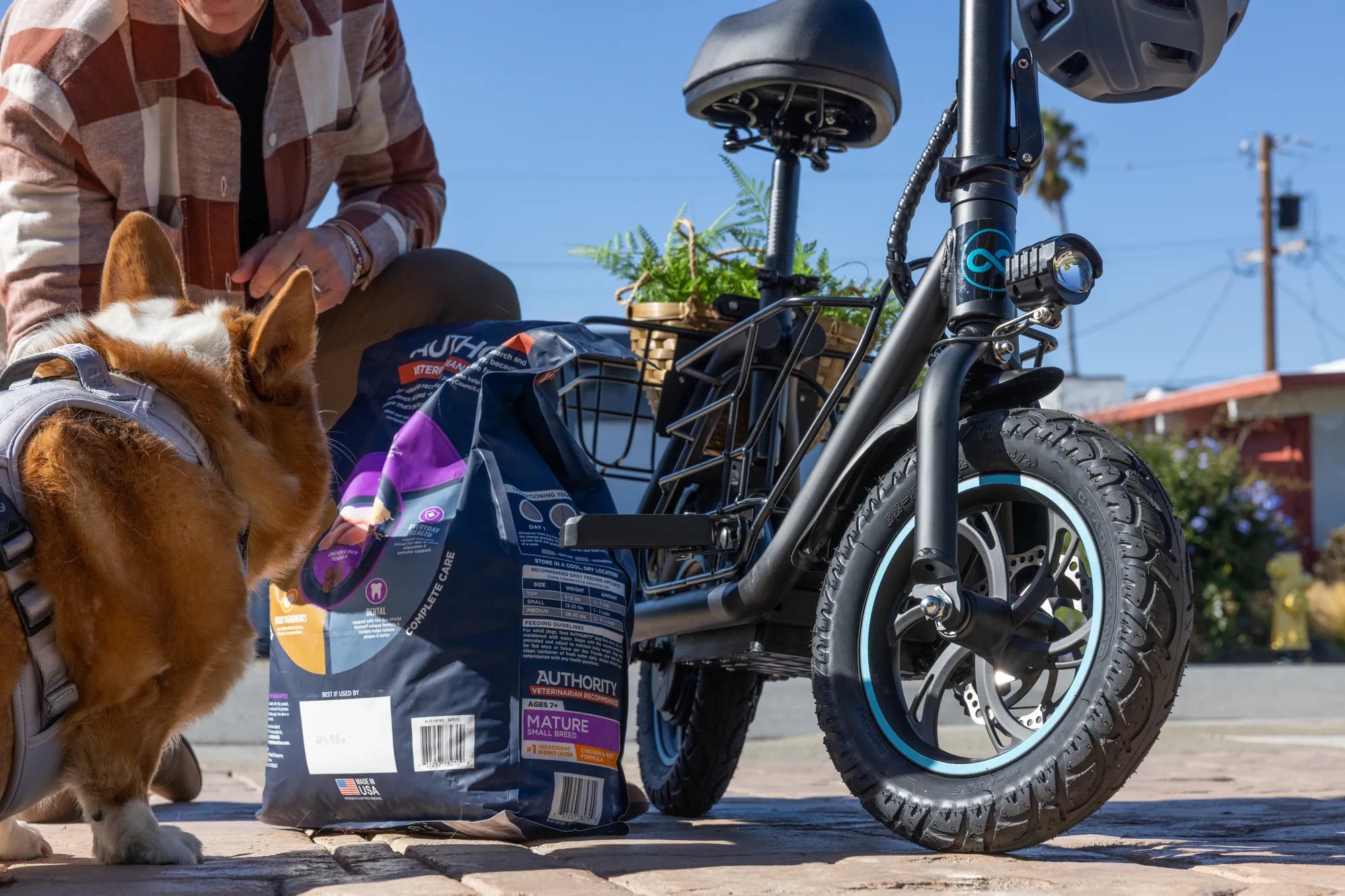
Electric bikes, or e-bikes, have revolutionized the way we think about cycling. With their ability to combine pedal power with electric assistance, they offer a thrilling and efficient way to get around. But just how fast can an e-bike go? Let’s dive into the details to uncover the speed potential of these modern marvels.
How Fast Can an E-Bike Go?
The speed of an e-bike depends on several factors, including its motor power, battery capacity, and legal classifications. Most e-bikes are designed to assist riders up to a certain speed, typically between 20 mph (32 km/h) and 28 mph (45 km/h). However, some high-performance models can exceed these limits, though they may fall into different regulatory categories.
Factors Affecting E-Bike Speed
Motor Power
The motor is the heart of an e-bike, and its wattage plays a significant role in determining speed. Motors range from 250W to 750W or even higher, with more powerful motors providing greater acceleration and top speeds.
Battery Capacity
A high-capacity battery ensures consistent power delivery, allowing the e-bike to maintain its speed over longer distances. Voltage and amp-hour ratings are key indicators of battery performance.
Rider Input
E-bikes are designed to assist pedaling, meaning the rider’s effort also contributes to speed. A combination of pedal power and electric assistance can yield higher speeds than relying on the motor alone.
Terrain and Conditions
Flat, smooth surfaces allow e-bikes to reach their maximum speeds more easily, while hills, rough terrain, or headwinds can reduce performance. Tire type and pressure also influence speed.
Legal Speed Limits for E-Bikes
In many regions, e-bikes are classified based on their maximum assisted speed. For example:
- Class 1: Pedal-assist up to 20 mph (32 km/h)
- Class 2: Throttle-assisted up to 20 mph (32 km/h)
- Class 3: Pedal-assist up to 28 mph (45 km/h)
Riders should always check local regulations to ensure compliance with speed limits and other requirements.
Benefits of Riding an E-Bike at Higher Speeds
Faster e-bikes offer several advantages, including:
- Reduced Commute Time: Higher speeds mean shorter travel times, making e-bikes a practical alternative to cars.
- Improved Fitness: Even with electric assistance, riders still engage in physical activity, promoting cardiovascular health.
- Eco-Friendly Transportation: E-bikes produce zero emissions, contributing to a cleaner environment.
Safety Considerations for High-Speed E-Bikes
Riding at higher speeds requires extra caution. Here are some safety tips:
- Always wear a helmet and protective gear.
- Maintain your e-bike regularly, checking brakes, tires, and lights.
- Obey traffic laws and ride defensively.
- Be mindful of road conditions and adjust your speed accordingly.
Choosing the Right E-Bike for Your Speed Needs
When selecting an e-bike, consider how you plan to use it. Commuters may prioritize speed and range, while leisure riders might focus on comfort and versatility. Test-riding different models can help you find the perfect balance.
E-bikes are transforming urban mobility and outdoor adventures, offering speed, efficiency, and fun. Whether you’re zipping through city streets or exploring scenic trails, understanding how fast an e-bike can go will help you make the most of your ride. Ready to experience the thrill of electric biking? The road ahead is faster than ever!
Mini Dirt Bike Under $250: The Ultimate Guide to Affordable Off-Road Fun
City Commuting with an E-Bike: The Future of Urban Transportation