


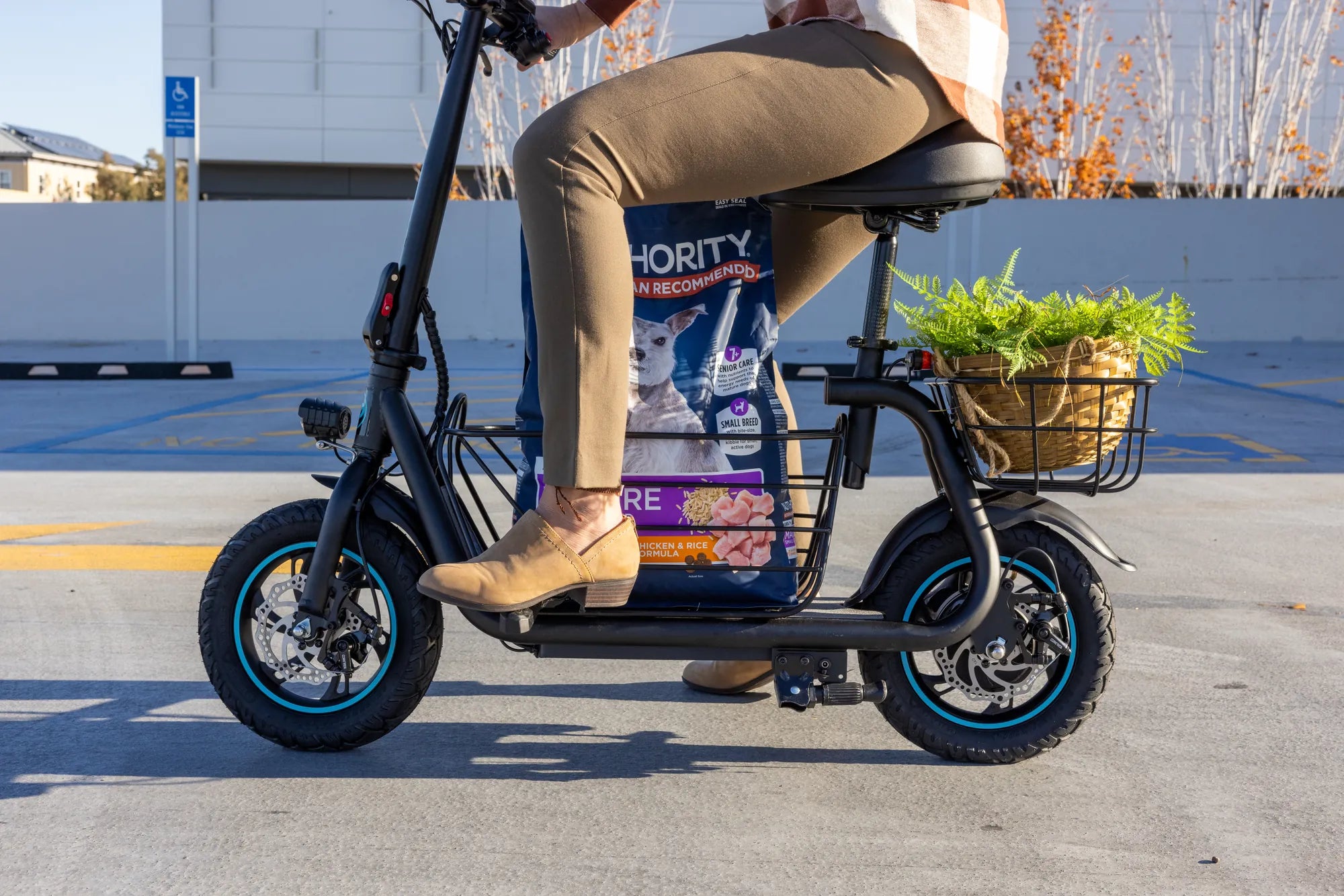
Introduction to E-Bikes: A Modern Mobility Revolution
An electric bicycle, or e-bike, integrates an electric motor and battery to assist human pedaling. This fundamental e bike information defines them as bicycles first, with electric components enhancing rather than replacing rider effort. The core technology involves pedal-assist systems (PAS) that provide proportional power when you pedal, and many models also include a throttle for on-demand power without pedaling.
E-bikes have evolved from niche curiosities to mainstream transportation solutions. Their popularity surge is driven by urban congestion, environmental awareness, and advancements in lithium-ion battery technology. For commuters, they offer sweat-free travel; for hobbyists, extended range; and for eco-conscious individuals, a tangible reduction in carbon footprint compared to cars.
This growth is reflected in global market data. Sales have consistently increased by double-digit percentages annually, with millions of units now sold worldwide. This guide will provide the foundational e bike information needed to navigate this expanding market intelligently. Understanding the mechanics, classifications, and key features is essential before making an investment.
We will explore everything from legal classifications to component quality, ensuring you have comprehensive e bike information. This knowledge empowers you to select a model that aligns with your needs, complies with local laws, and delivers reliable performance for years.
Understanding E-Bike Classifications: Which One is Right for You?
North America primarily uses a three-class system to categorize e-bikes, a crucial piece of e bike information for legal and practical purposes. These classifications are based on maximum assisted speed and how the motor is engaged. They determine where you can legally ride, impacting your daily commute or recreational plans.
Class 1 e-bikes provide assistance only when the rider is pedaling (pedal-assist only) and cease assistance at 20 mph (32 km/h). They are generally permitted anywhere a traditional bicycle is allowed, including bike paths and multi-use trails. This makes them a versatile and widely accepted choice for most riders seeking fundamental e bike information.
Class 2 e-bikes are equipped with a throttle that can propel the bike without pedaling, but the motor also stops assisting at 20 mph. The presence of a throttle offers flexibility, especially for starting from a stop or taking a break from pedaling. Regulations for Class 2 can be more restrictive than Class 1 on certain trails.
Class 3 e-bikes are typically pedal-assist only (though some may have a throttle limited to 20 mph) and provide assistance up to 28 mph (45 km/h). Due to their higher speed, they are often restricted from bike paths and trails, intended primarily for road use. Many jurisdictions require riders to be at least 16 years old and mandate helmet use.
Class 1, 2, & 3: Decoding the Rules of the Road
Delving deeper into these classes provides vital operational e bike information. The distinction isn't just about speed; it's about how the bike interacts with the rider and the law. A Class 1 bike feels most like a traditional bicycle, with a natural boost. A Class 2's throttle offers an experience closer to a scooter, useful for quick starts or riders with mobility concerns.
Class 3 bikes are designed for speedier commutes, effectively shrinking city distances. However, this capability comes with greater responsibility. Local laws vary significantly, so verifying your city and state regulations is non-negotiable. Some areas treat Class 3 e-bikes similarly to mopeds, potentially requiring registration.
The table below provides a clear, at-a-glance comparison of the three primary e-bike classes, a key piece of comparative e bike information.
| Class | Max Assisted Speed | Throttle | Pedal-Assist Required? | Typical Use Areas |
|---|---|---|---|---|
| Class 1 | 20 mph (32 km/h) | No | Yes | Bike paths, trails, roads |
| Class 2 | 20 mph (32 km/h) | Yes | No (Throttle available) | Roads, some bike paths (check local laws) |
| Class 3 | 28 mph (45 km/h) | Usually No* | Yes | Roads, bike lanes (often excluded from paths) |
*Some Class 3 models may include a throttle limited to 20 mph for starting assistance. Always check the specific model's specifications and your local regulations, as this is a critical part of practical e bike information. Choosing the right class is the first step to a lawful and enjoyable riding experience.
Key Components: The Anatomy of a Quality E-Bike
Beyond classifications, understanding the core components is essential e bike information. The quality of these parts directly determines performance, safety, and longevity. A well-built e-bike integrates a robust motor, a high-capacity battery, a durable frame, and reliable brakes into a cohesive system.
Investing in quality components from reputable manufacturers pays dividends in reliability. Brands that prioritize engineering and safety, such as Gyroor, build their models around UL-certified battery packs and IPX5 water-resistant designs. This focus on core components ensures the e-bike withstands daily use and various weather conditions.
The synergy between the motor, battery, and controller defines the riding experience. A powerful motor is useless with a small battery, and a large battery adds unnecessary weight if the motor is inefficient. Balanced specifications are a hallmark of a well-designed electric bicycle, a key insight for anyone seeking detailed e bike information.
When evaluating an e-bike, scrutinize these components as you would the engine and transmission of a car. They represent the majority of the cost and are the most expensive to replace. Prioritizing proven technology and safety certifications is the wisest approach for long-term satisfaction.
The Heart: Motor Types (Hub vs. Mid-Drive)
The motor is the powerhouse, and its placement is fundamental e bike information. The two primary types are hub motors and mid-drive motors, each with distinct advantages. Your choice should align with your typical terrain and riding style.
Hub Motors are located in the center of the front or rear wheel. They are generally more affordable, simpler in design, and require less maintenance. A rear-hub motor provides direct drive and good traction, while a front-hub motor can offer a feeling of being pulled along. Hub motors excel on flat to moderately rolling terrain and are ideal for casual commuters and recreational riders.
Mid-Drive Motors are positioned at the bike's crank and bottom bracket, driving the chainring. This central, low placement improves weight distribution and handling. Crucially, a mid-drive motor leverages the bike's gears, making it significantly more efficient on steep hills and variable terrain. It provides more natural pedal feel and is the preferred choice for performance-oriented riders, mountain e-biking, and those in hilly regions.
In summary, for flat urban commutes, a hub motor offers excellent value and sufficient performance. For challenging hills, off-road trails, or maximizing range, a mid-drive motor's efficiency and power delivery are superior. This distinction is critical e bike information for matching technology to need.
The Fuel Tank: Battery Essentials & Safety
The battery is the energy source, and its specifications are vital e bike information. Measured in watt-hours (Wh), capacity indicates how much energy is stored. A higher Wh rating generally means a longer potential range. Voltage (commonly 36V, 48V, or 52V) influences the power delivery and performance of the motor.
Range estimates provided by manufacturers are best-case scenarios. Real-world range depends heavily on rider weight, terrain, wind, assist level, and temperature. A 500Wh battery might promise 40 miles, but using maximum assist on hilly routes could cut that in half. Understanding these variables is practical e bike information for planning commutes or rides.
Battery safety cannot be overstated. Always insist on batteries with recognized safety certifications like UL 2271. This standard rigorously tests for electrical, mechanical, and environmental hazards, including fire risk. Gyroor, for instance, uses UL-certified battery packs tested for over 500 charge cycles, prioritizing rider safety and long-term reliability—a non-negotiable aspect of responsible e bike information.
Proper care extends battery life. Store and charge in a cool, dry place, avoid completely draining the battery, and use only the manufacturer-provided charger. Following these practices protects your investment and ensures consistent performance, which is essential knowledge for any e-bike owner.
Built to Last: Frame, Brakes, and Warranty
The frame is the foundation. Most quality e-bikes use aluminum alloy for its optimal blend of strength, lightness, and corrosion resistance. The geometry should suit your riding position—upright for comfort, aggressive for speed. Pay attention to the maximum weight capacity, which includes rider and cargo.
Brakes are critically important on a heavier, faster e-bike. Hydraulic disc brakes are the gold standard, offering superior stopping power, modulation, and consistent performance in wet conditions compared to mechanical disc or rim brakes. For any Class 3 e-bike or riding in hilly areas, hydraulic discs are highly recommended for safety.
A comprehensive warranty is your safeguard. Look for a strong warranty on the frame (often lifetime or several years), the motor (2-5 years), and the battery (1-2 years). This reflects the manufacturer's confidence in their product. Gyroor supports its riders with a reliable 1-year comprehensive warranty, ensuring peace of mind for over 100,000 customers.
Finally, assess the quality of other components: the drivetrain (e.g., Shimano or SRAM gears), the tires (puncture-resistant for commuting), and included accessories like lights and fenders. These details complete the picture of a well-rounded e-bike, rounding out your component e bike information.
Practical Considerations Before You Buy
With technical e bike information established, practical considerations guide the final decision. Your primary use case is the most important filter. Are you replacing a car commute, seeking weekend adventure, or running local errands? Answering this focuses your search on the most suitable type of e-bike.
Budget is a key factor. E-bikes range from entry-level models to high-performance machines. Allocate funds not just for the bike, but for essential accessories: a high-quality lock, a helmet, lights, and possibly cargo racks or panniers. Investing in security and safety is part of the total cost of ownership.
Test riding is indispensable. The feel of the motor engagement, the comfort of the saddle and handlebars, and the overall handling cannot be fully appreciated from a spec sheet. Visit local dealers to experience different classes and motor types firsthand. This hands-on step transforms abstract e bike information into personal understanding.
Consider the total cost of ownership, including maintenance (chain lubrication, brake pad replacement, occasional professional tune-ups) and potential battery replacement after several years. A slightly higher initial investment in a durable, well-supported bike often saves money and frustration in the long run.
Matching an E-Bike to Your Lifestyle
The Urban Commuter: This rider needs reliability, comfort, and practicality for daily trips of 5-15 miles. A Class 1 or Class 2 e-bike with a hub motor, a 400-500Wh battery, and integrated features like fenders, a rear rack, and lights is ideal. A step-through frame facilitates easy mounting in work clothes.
The Weekend Trail Explorer: For fire roads, gravel paths, and light singletrack, a Class 1 e-bike with a mid-drive motor is best. The motor's efficiency on hills and natural feel are key. Look for wider, knobby tires, front suspension (or full suspension for more aggressive riding), and a battery with at least 500Wh capacity for extended adventures.
The Errand Runner & Cargo Hauler: This user prioritizes utility. A sturdy Class 2 e-bike with a throttle is excellent for stop-and-go trips. Essential features include a strong rear rack, compatibility with panniers or child seats, and a high weight capacity. Some may even consider a dedicated cargo e-bike with a long wheelbase for maximum stability and load-carrying ability.
Identifying with one of these profiles helps narrow the vast array of choices. This application-focused e bike information ensures your purchase directly enhances your daily life, whether for efficiency, fitness, or fun.
Range, Terrain, and Carrying Capacity
Estimating real-world range requires applying your specific conditions to the battery's capacity. A simple rule of thumb: on flat terrain with moderate pedal assist (Eco mode), you might achieve 20-25 miles per 100Wh of battery capacity. Add hills, headwinds, higher assist levels, or heavier loads, and this number decreases significantly.
Terrain dramatically affects performance. A hub-motor bike will struggle and drain its battery quickly on sustained steep grades. A mid-drive motor, using the gears, handles hills much more efficiently. If your route is hilly, a mid-drive and a larger battery (e.g., 625Wh or more) are wise investments based on practical e bike information.
Carrying capacity includes both the rider and any cargo. Exceeding the manufacturer's stated weight limit stresses the frame, motor, and brakes, voiding the warranty and creating safety hazards. If you plan to carry groceries, a child, or work equipment, factor this into your initial search and opt for a model rated for the total weight.
Plan for your worst-case scenario, not the ideal one. If your round-trip commute is 20 miles with a big hill, choose a bike whose *minimum* expected range under those conditions exceeds 20 miles. This buffer ensures you never face a drained battery far from home, a crucial piece of planning e bike information.
Beyond the Purchase: Ownership & Maintenance
Ownership begins with proper assembly and an initial check. While many e-bikes come partially assembled, having a professional bike mechanic perform a safety check—tightening bolts, adjusting brakes and gears, and ensuring electrical connections are secure—is highly recommended. This establishes a safe baseline.
Regular maintenance is simpler than for a car but essential. Keep the chain clean and lubricated, check tire pressure weekly (properly inflated tires improve range and prevent flats), and periodically inspect brake pads for wear. Wipe down the bike after wet rides, paying attention to the battery contact points.
Learn the basic controls: how to turn the system on/off, cycle through assist levels, and use the display. Familiarize yourself with error codes in the manual. Store the bike in a dry place, and avoid leaving the battery fully depleted or at 100% charge for extended periods; a 50-80% charge is ideal for storage.
Building a relationship with a local bike shop that is familiar with e-bikes is invaluable for annual tune-ups and any complex electrical issues. Proactive care based on sound e bike information maximizes the lifespan and enjoyment of your electric bicycle.
Safety, Security, and Local Regulations
Safety starts with a helmet. For any e-bike, but especially Class 3, a properly fitted bicycle helmet is mandatory. Consider additional gear like gloves, bright clothing, and glasses. Front and rear lights are not just accessories; they are critical for visibility day and night. Using a bell or horn to alert others is both courteous and safe.
E-bikes are attractive targets for theft. Invest in a high-quality, hardened steel U-lock or a heavy-duty chain lock. Lock the frame and rear wheel to a solid, immovable object. If possible, remove the battery and take it with you, as it's the most valuable single component. Using two different types of locks can deter thieves.
Local regulations are the final, crucial layer of e bike information. Laws governing helmet use (often required for minors and Class 3 riders), minimum age, use on sidewalks and specific trails, and even registration vary by city and state. Contact your local Department of Motor Vehicles or transportation authority for the definitive rules in your area.
Ride defensively and predictably. Use hand signals, obey traffic laws, and assume drivers may not see you. Your increased speed on an e-bike, especially a Class 3, means you must anticipate obstacles further ahead. Responsible ownership combines mechanical knowledge with conscientious riding practices.
Frequently Asked Questions (FAQ)
Q: Do I need a license or insurance to ride an e-bike?
A: In most of the United States, no driver's license, vehicle registration, or insurance is required to operate a Class 1, 2, or 3 e-bike. They are legally treated as bicycles. However, some states may have specific requirements for Class 3, such as a minimum age. Always verify with your state's regulations, as this is a common area of confusion in e bike information.
Q: How far can I really go on a single charge?
A: Manufacturer ranges are optimistic estimates. A more realistic calculation is to assume 15-25 miles per 100Wh of battery capacity under average conditions (moderate assist, flat terrain, average rider weight). A 500Wh battery, therefore, typically offers 25-50 miles of real-world range. Terrain, wind, weight, and assist level are the primary variables that reduce this number.
Q: Can I ride an e-bike in the rain?
A> Most quality e-bikes have an IP (Ingress Protection) rating for water and dust resistance. A rating of IPX5, like those found on Gyroor models, means the electrical components can withstand low-pressure water jets from any direction, making them suitable for riding in rain and through puddles. However, they are not submersible. Avoid deep water, and dry the bike after a wet ride.
Q: What's the difference between an e-bike and an electric scooter?
A: This is fundamental comparative e bike information. An e-bike has functional pedals and is designed to be pedaled, with motor assistance. An electric scooter (or e-scooter) typically has a small deck, no pedals, and is operated solely by a throttle and hand brakes. E-scooters often have smaller wheels, a shorter range, and different (often more restrictive) legal classifications for road and path use.
Q: Are e-bikes allowed on public transit?
A> Policies vary widely by transit agency. Many buses with bike racks can accommodate e-bikes, provided they are within the weight limit (usually 55 lbs). For trains and subways, rules differ; some allow them at all times, others only during off-peak hours, and some prohibit them if the battery is above a certain capacity. Always check the specific rules of your local transit authority before your journey.
Q: How long does an e-bike battery last before needing replacement?
A: A quality lithium-ion battery is rated for a certain number of full charge cycles (from 0% to 100%). A standard benchmark is 500-1000 cycles before the capacity degrades to about 70-80% of its original state. With typical use (2-3 charges per week), this translates to 3-5 years of useful life. Proper charging and storage habits can help maximize this lifespan.
Conclusion: Your Journey Starts with the Right Information
Navigating the world of electric bicycles requires synthesizing technical, legal, and practical e bike information. Start by understanding the three-class system and identifying which aligns with your local laws and riding goals. Prioritize quality core components: a reliable motor type for your terrain, a high-capacity battery with critical safety certifications like UL 2271, and a durable frame backed by a strong warranty.
Match the e-bike's capabilities to your lifestyle, whether you're a daily commuter, a weekend explorer, or a cargo-hauler. Factor in real-world range, terrain, and carrying needs. Remember that ownership entails regular maintenance, robust security measures, and adherence to safety protocols and local regulations.
Armed with this comprehensive guide, you are now equipped to make an informed decision. Use this knowledge to test ride models confidently, ask dealers insightful questions, and select an e-bike that will provide reliable, enjoyable transportation for years to come. For those seeking a blend of performance, safety, and value, exploring brands with a proven track record is a logical next step.
Ready to experience the freedom of electric cycling? Explore a range of models built with certified safety and reliability. Browse the full Gyroor collection of UL-certified e-bikes and electric scooters at gyroorboard.com to find the perfect ride for your next adventure.
What Are Good Dirt Bike Brands: A 2024 Guide to Performance & Value
Folding E Bike Reviews: The 2024 Guide to Urban Mobility