

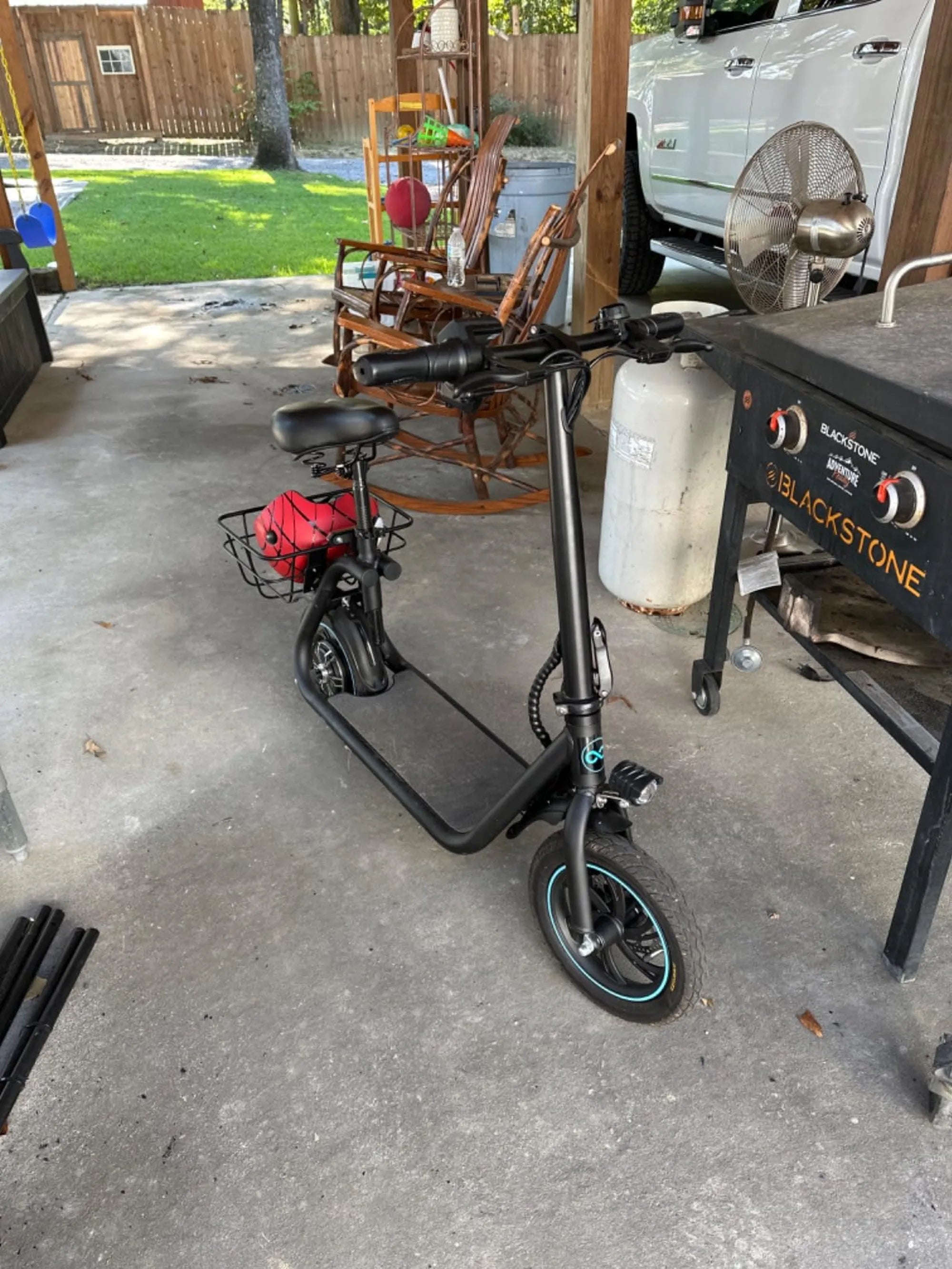
Imagine gliding through city streets or winding trails with effortless speed, feeling the wind in your hair without breaking a sweat. This is the magic of an e-bike—a game-changer in personal transportation that’s taking the world by storm. But what exactly is an e-bike, and why is it becoming such a phenomenon? Let’s dive into the e bike meaning and uncover why these innovative machines are reshaping how we move.
What Is an E-Bike?
An e-bike, short for electric bike, is a bicycle equipped with an electric motor that assists the rider’s pedaling. Unlike traditional bicycles, e-bikes provide varying levels of motorized support, making cycling easier, faster, and more accessible to a broader range of people. The motor is powered by a rechargeable battery, which can typically last anywhere from 20 to 100 miles on a single charge, depending on the model and usage.
How Do E-Bikes Work?
E-bikes operate using a combination of human pedaling and electric assistance. The motor kicks in when the rider pedals, providing a boost that reduces the effort required. Most e-bikes come with multiple assistance levels, allowing riders to choose how much help they want from the motor. Some models also feature a throttle, enabling riders to engage the motor without pedaling, similar to a scooter.
Types of E-Bikes
E-bikes come in various styles, each designed for specific purposes. Here are the most common types:
- City/Commuter E-Bikes: Designed for urban environments, these bikes prioritize comfort, practicality, and ease of use.
- Mountain E-Bikes: Built for off-road adventures, these models feature rugged frames and enhanced suspension.
- Folding E-Bikes: Compact and portable, ideal for those with limited storage space or who need to combine cycling with public transport.
- Cargo E-Bikes: Equipped with large storage capacities, perfect for carrying groceries, kids, or other heavy loads.
Benefits of E-Bikes
E-bikes offer numerous advantages over traditional bicycles and other forms of transportation:
- Eco-Friendly: E-bikes produce zero emissions, making them a sustainable alternative to cars.
- Cost-Effective: They are cheaper to operate than cars, with lower maintenance and fuel costs.
- Health Benefits: While they provide assistance, e-bikes still encourage physical activity, promoting cardiovascular health.
- Accessibility: They make cycling feasible for people of all fitness levels, including those with mobility challenges.
E-Bikes and Urban Mobility
As cities grapple with traffic congestion and pollution, e-bikes are emerging as a smart solution. They combine the agility of bicycles with the convenience of motorized transport, allowing riders to navigate crowded streets efficiently. Many cities are investing in bike lanes and charging stations to accommodate the growing popularity of e-bikes.
Challenges and Considerations
While e-bikes offer many benefits, there are some challenges to consider:
- Regulations: Laws regarding e-bikes vary by region, including speed limits and where they can be ridden.
- Battery Life: Riders need to plan for recharging, especially on longer trips.
- Initial Cost: High-quality e-bikes can be expensive, though the long-term savings often justify the investment.
Whether you’re a daily commuter, a fitness enthusiast, or someone looking for a fun way to explore, e-bikes offer a versatile and exciting mode of transportation. With their blend of convenience, sustainability, and innovation, it’s no wonder they’re becoming a staple of modern mobility. Ready to join the e-bike revolution? The road ahead has never looked smoother.
How Much Does a 250cc Dirt Bike Weigh? The Ultimate Guide
Lightweight 24 Inch Bike: The Ultimate Guide to Choosing the Perfect Ride