

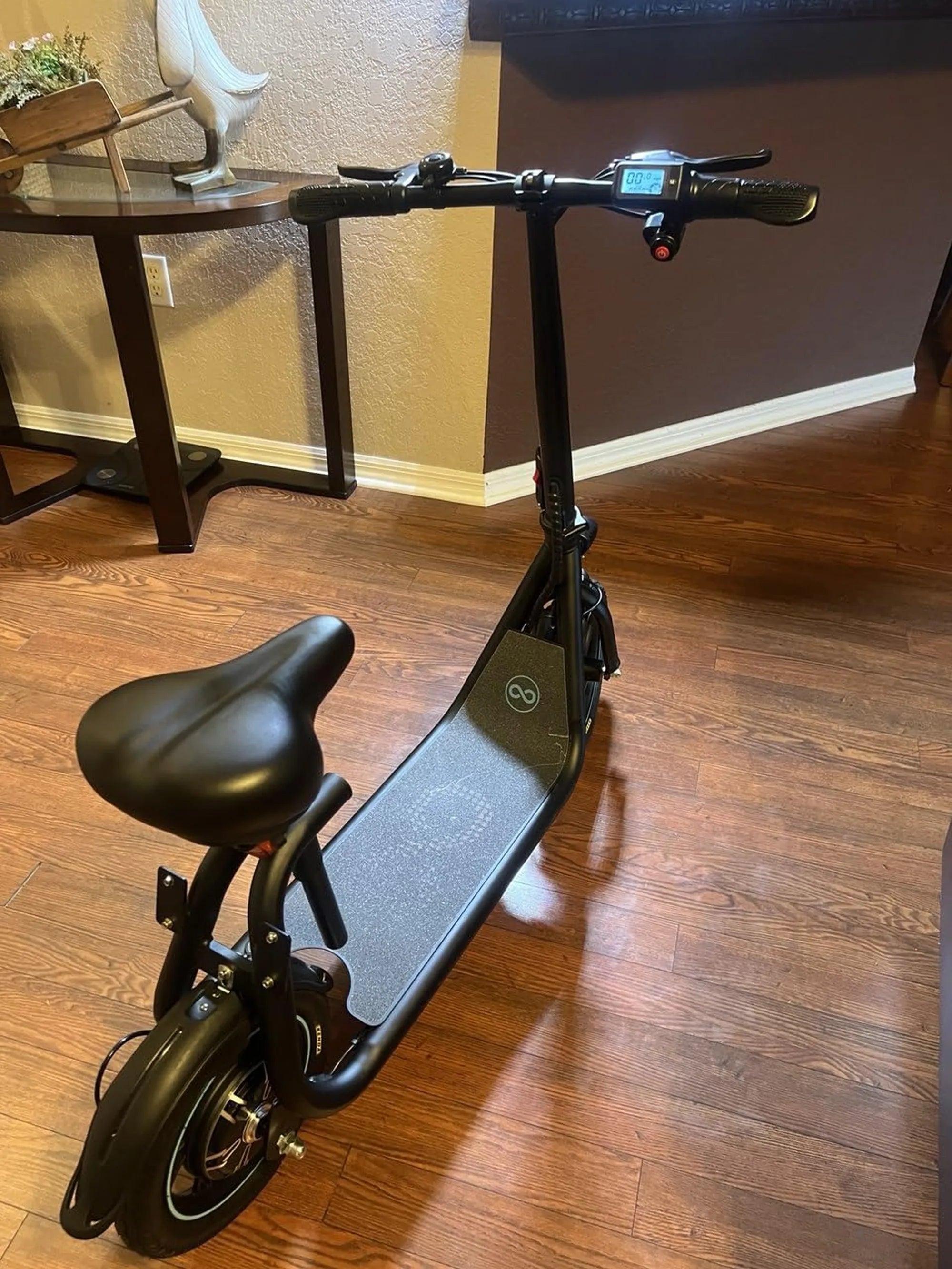
Electric bikes are revolutionizing transportation across Europe, offering eco-friendly, efficient, and cost-effective alternatives to traditional commuting. With governments pushing for greener cities and consumers embracing sustainable lifestyles, the e-bike market is booming like never before. Whether you're a daily commuter, a weekend adventurer, or simply curious about the future of mobility, this deep dive into e-bike news Europe will keep you informed and inspired.
The Rapid Growth of the E-Bike Market in Europe
Europe has emerged as a global leader in e-bike adoption, with sales skyrocketing year after year. Countries like Germany, the Netherlands, and France are at the forefront, driven by supportive policies, improved infrastructure, and shifting consumer preferences. Recent reports indicate that e-bikes now account for nearly 30% of all bicycle sales in some European nations, a trend that shows no signs of slowing down.
One of the key factors behind this surge is the increasing affordability and variety of e-bikes. From sleek urban commuters to rugged off-road models, manufacturers are catering to diverse needs. Additionally, advancements in battery technology have extended range and reduced charging times, making e-bikes more practical for everyday use.
Government Policies and Incentives Boosting E-Bike Adoption
European governments are actively promoting e-bikes as part of their climate action plans. Subsidies, tax breaks, and grants are making it easier for consumers to switch to electric mobility. For instance, several countries offer financial incentives of up to 30% of the purchase price, while cities are investing in dedicated bike lanes and charging stations.
New regulations are also shaping the industry. The European Union recently updated its classification standards for e-bikes, ensuring clearer distinctions between pedal-assist models and higher-speed variants. These measures aim to enhance safety while encouraging innovation among manufacturers.
Innovations Driving the Future of E-Bikes
The e-bike industry is witnessing groundbreaking innovations that promise to redefine urban mobility. Lightweight carbon-fiber frames, regenerative braking systems, and smart connectivity features are just a few examples. Some of the latest models come equipped with GPS tracking, anti-theft alarms, and even integrated solar panels for extended range.
Another exciting development is the rise of cargo e-bikes, which are transforming last-mile delivery services. Businesses across Europe are adopting these vehicles to reduce emissions and navigate congested city centers more efficiently. With load capacities rivaling small vans, cargo e-bikes are proving to be a game-changer for logistics.
Challenges and Opportunities in the European E-Bike Market
Despite the rapid growth, the industry faces challenges such as battery disposal, theft prevention, and infrastructure gaps. However, these hurdles are also creating opportunities for startups and established players to innovate. For example, battery recycling programs and modular designs are gaining traction, addressing sustainability concerns.
Moreover, the integration of e-bikes with public transport systems is enhancing their appeal. Many European cities now allow e-bikes on trains and buses, enabling seamless multi-modal journeys. This synergy is expected to further accelerate adoption rates in the coming years.
As Europe continues to lead the charge in sustainable mobility, the e-bike revolution shows no signs of slowing down. From cutting-edge technology to forward-thinking policies, the future of electric biking has never looked brighter. Whether you're considering your first e-bike or simply staying updated on the latest trends, now is the perfect time to join the movement and ride the wave of change.
Urban Ebike: The Future of Sustainable City Commuting
80 Dirt Bike: The Ultimate Guide to Choosing and Riding