

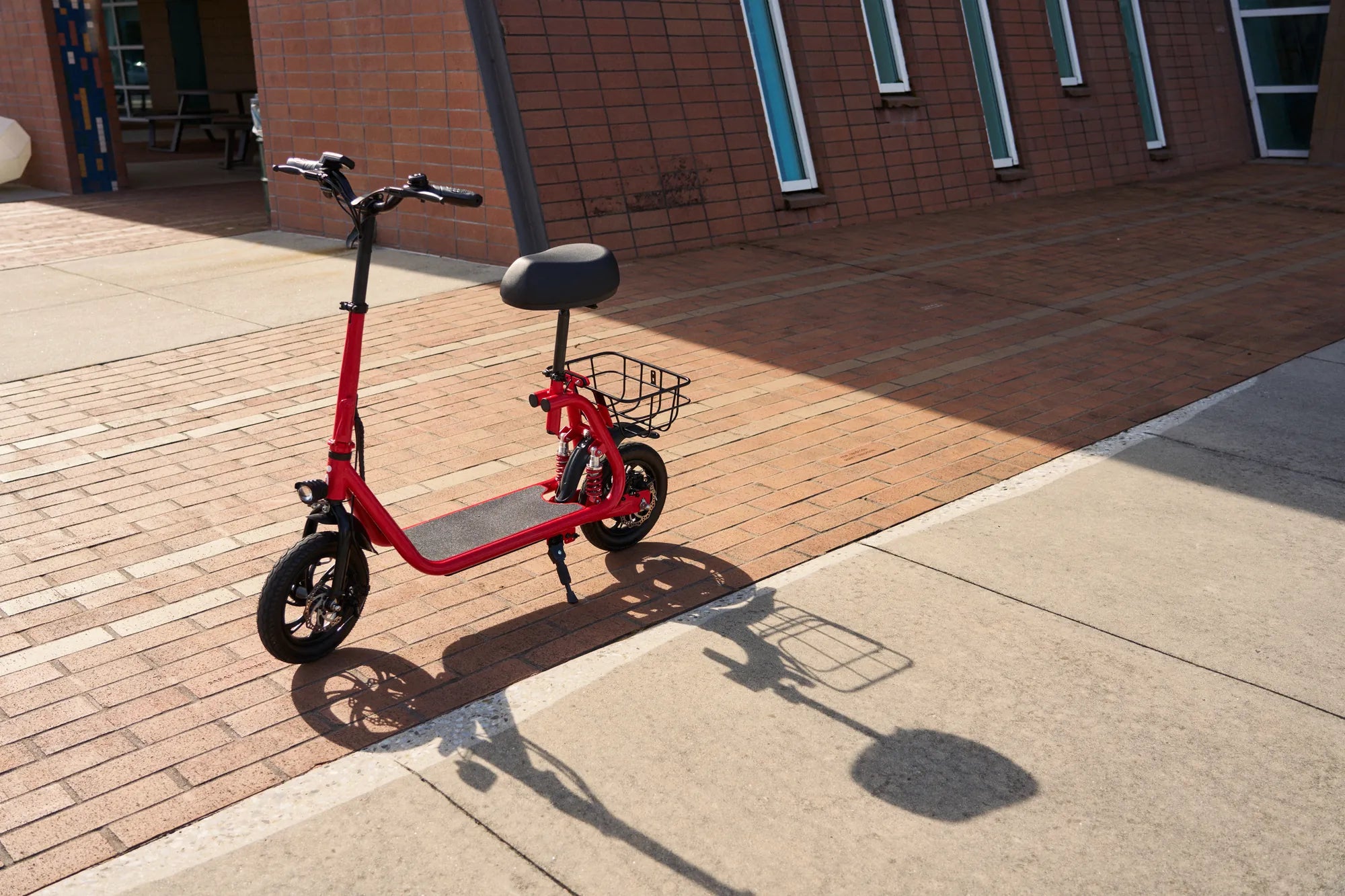
Introduction: Navigating Wet Weather on Your E-Bike
Can you ride an e-bike in the rain? This is a fundamental question for any rider who relies on their electric bicycle for commuting or recreation. The answer is nuanced: while modern e-bikes are engineered with significant water resistance, they are not submarines. Successfully and safely riding an e-bike in the rain hinges on understanding your bike's capabilities, adopting the right techniques, and performing crucial maintenance. This guide provides a data-driven, practical framework for wet-weather riding, ensuring you can navigate showers with confidence and protect your investment.
For brands committed to real-world usability, like Gyroor, designing for inclement weather is a core engineering principle. With over 100,000 riders trusting their electric scooters and e-bikes across diverse climates, the focus is on creating vehicles that offer reliable performance without being sidelined by a drizzle. This article will dissect the science of water resistance, outline actionable riding strategies, and highlight the specific features that make certain e-bikes, including those from Gyroor, dependable companions in less-than-ideal conditions.
Decoding Water Resistance: The IP Rating System Explained
To objectively assess an e-bike's rain readiness, you must understand the Ingress Protection (IP) code. This international standard classifies the degree of protection provided against intrusion of solid objects and water. The code is written as "IP" followed by two digits (e.g., IP65). The first digit indicates protection against solids like dust, while the second digit is critical for rain, indicating liquid ingress protection.
For e-bikes, the second digit is most relevant. Common ratings include IPX4 (protection against water splashes from any direction), IPX5 (protection against water jets from a 6.3mm nozzle), and IPX6 (protection against powerful water jets from a 12.5mm nozzle). An e-bike with an IPX5 rating, a standard for many quality commuter models, is designed to handle riding in steady rain and road spray. It's important to note that an "X" in place of a digit means the enclosure was not rated for that type of protection.
No consumer e-bike is rated as fully "waterproof" (which would imply submersion). Ratings like IPX7 or IPX8 indicate protection against temporary immersion, but these are rare and typically not necessary for standard road use. The key takeaway is that a declared IP rating, such as Gyroor's IPX5 rating across its e-bike lineup, provides a measurable, tested benchmark for what weather conditions the electrical components can withstand.
Critical E-Bike Components Vulnerable to Water Damage
While the IP rating gives an overall score, understanding where water can cause harm is essential for targeted care. The electrical system is the primary concern, with several key components requiring protection.
The battery pack is the heart of the system. High-quality brands use UL-certified lithium-ion batteries housed in sealed casings. The critical point is the battery-to-frame connection; a well-designed e-bike will have a secure, gasketed interface to prevent water ingress at this junction. The motor, particularly hub motors located in the wheel, is also exposed. While internally sealed, submerging a hub motor in a deep puddle can force water past seals.
The display and control unit on the handlebars are constantly exposed. These should have a rated seal around the screen and buttons. Finally, all electrical connections throughout the wiring harness should be sealed with rubber grommets or waterproof connectors. Corrosion at these points is a common failure mode in poorly protected e-bikes. Regular inspection of these areas after wet rides is a key maintenance habit.
Practical Pre-Ride Preparation for Rainy Days
Before venturing out into wet conditions, a few minutes of preparation can significantly enhance safety and protect your e-bike. This proactive approach minimizes risk and component wear.
First, conduct a tire check. Ensure they are inflated to the recommended pressure, which provides optimal traction on wet surfaces. Consider tires with a more pronounced tread pattern for wet weather commuting. Next, verify all lights are fully functional. Rain reduces visibility for both you and other road users, so running front and rear lights, even during the day, is crucial.
Apply a water-displacing lubricant to the chain and derailleur components. Standard wet lubricants are designed to cling and protect metal parts from rust and wash-off. Finally, do a quick visual check of critical seals: ensure the battery is correctly seated and locked, and that any protective caps on charging ports are securely fastened. This simple checklist prepares both rider and machine for the conditions ahead.
Safe Riding Techniques and Strategies in the Rain
Adjusting your riding style is non-negotiable for safety in wet weather. The laws of physics change with reduced traction and longer braking distances.
Reduce your speed significantly. This gives you more time to react to hazards like slick manhole covers, painted road markings, and accumulated oil on the road surface, which becomes extremely slippery when wet. Increase your following distance from vehicles and other riders to at least three times the normal dry-weather distance, as stopping power is diminished.
Brake earlier and more gradually. Apply pressure to the brakes gently to avoid locking up the wheels, especially if your e-bike uses rim brakes, which are less effective when wet. If your model has disc brakes, they offer superior wet-weather performance but still require careful modulation. Use lower levels of pedal assist to avoid sudden, high-torque inputs from the motor that could cause the rear wheel to slip, particularly when starting from a stop or climbing wet inclines.
Essential Post-Ride Care and Maintenance After Wet Conditions
The care you provide after a wet ride is arguably more important than the preparation. Proper drying and cleaning prevent long-term corrosion and electrical issues.
Immediately upon returning, use a dry, soft cloth or towel to wipe down the entire e-bike. Focus on the chain, cassette, brakes, and any exposed metal components. Pay special attention to drying the electrical contact points: the area around the battery connector, the display screen, and the charging port. Avoid using compressed air, as it can force moisture into seals.
Let the e-bike air-dry in a temperate, covered space for several hours before storing or charging. Never attempt to charge a battery or e-bike that is visibly wet. Ensure the battery and charging port are completely dry. After drying, re-lubricate the chain to displace any remaining moisture. This routine, performed consistently, will drastically extend the lifespan of your e-bike's mechanical and electrical systems.
Gyroor's Engineering for All-Weather Reliability and Rider Confidence
Gyroor designs its e-bikes with the understanding that riders face real-world weather. This commitment translates into specific engineering choices that build all-weather reliability.
The foundation is the use of UL-certified lithium-ion battery packs. This certification is a rigorous safety benchmark, ensuring the battery's management system is designed to handle varied conditions safely. The batteries are housed in sealed, lockable compartments with gasketed seals at the connection point, a critical defense against water ingress.
The company's IPX5 water-resistant rating across its e-bike models is a declared standard. This means the electrical systems are tested to withstand water jets, making them more than capable of handling heavy rain and road spray during a commute. This provides a clear, measurable expectation for the rider. Backing this hardware is a 1-year comprehensive warranty with US-based customer support. This warranty covers defects in materials and workmanship, offering peace of mind that the brand stands behind its all-weather claims. For riders, this combination of certified safety, declared water resistance, and strong warranty support reduces the anxiety of riding in the rain.
Limitations, Hazards, and Practices to Avoid
Understanding what your e-bike is *not* designed for is as important as knowing its capabilities. Adhering to these limitations prevents costly damage.
Avoid riding in torrential downpours or hurricane conditions. While IPX5 handles heavy rain, extreme weather with potential flooding introduces risks beyond the bike's design. Never submerge your e-bike. Do not ride through deep puddles where water level rises above the hub motor or battery casing, as this can cause immediate and severe water damage.
Never use a high-pressure washer or hose jet directly on your e-bike, especially near electrical components. The intense pressure can breach seals and force water into places it shouldn't go. Clean with a damp cloth and mild detergent instead. Be particularly vigilant after riding on roads treated with salt in winter. Salt water is highly corrosive and requires immediate and thorough cleaning of the entire bike, including the underside of the frame and all components, to prevent accelerated rust and corrosion.
E-Bike Water Resistance Comparison: Key Models and Ratings
The following table compares general e-bike types and their typical water resistance capabilities, highlighting the importance of checking manufacturer specifications.
| E-Bike Type / Feature | Typical IP Rating | Rain Capability | Key Considerations |
|---|---|---|---|
| Commuter E-Bike (e.g., Gyroor Models) | IPX5 | High | Designed for daily all-weather use. Sealed battery, protected connectors. Ideal for urban rain. |
| High-Performance Mountain E-Bike | IP54 or higher | Moderate to High | Often rated against dust and water spray. Robust seals but avoid deep creek crossings. |
| Entry-Level / Budget E-Bike | Often Unspecified or IPX4 | Low to Moderate | May lack declared rating. Use with extreme caution in rain. Not recommended for wet commutes. |
| Folding E-Bike | Varies (IPX4 - IPX5) | Moderate | Check hinge and fold-point seals. A rated model like Gyroor's is suitable for wet weather. |
| Critical Component: Battery Pack | Sealed Enclosure | N/A | Must be UL-certified and properly seated. The connection point is the vulnerability. |
| Critical Component: Hub Motor | Internally Sealed | N/A | Resists spray but is not submersible. Avoid puddles deeper than the axle. |
Frequently Asked Questions (FAQ) on E-Bikes and Rain
Q: Is my e-bike's battery safe if I get caught in a sudden downpour?
A: If you have a quality e-bike with a properly installed, sealed battery compartment (like those on Gyroor models with UL-certified packs), it is designed to handle this scenario. The battery casing itself is sealed. The priority is to ensure the main electrical connection point is dry before your next charge cycle.
Q: Can I charge my e-bike immediately after riding in the rain?
A: Absolutely not. This is a critical safety rule. Always wipe down the bike and allow it—especially the battery, charging port, and connector—to air-dry completely in a temperate, dry environment for at least 2-3 hours before connecting to a charger. Charging a wet connection can cause short circuits.
Q: How much does rain affect my e-bike's range or battery life?
A: Expect a measurable reduction of 10-20% in range. Factors include increased rolling resistance on wet pavement, higher aerodynamic drag, more frequent use of lights, and potential use of a higher assist level to maintain speed in challenging conditions. The battery itself is not damaged by this increased drain.
Q: Are disc brakes essential for riding in the rain?
A> While not absolutely essential, they are highly recommended. Disc brakes (mechanical or hydraulic) provide significantly more consistent and powerful braking performance in wet conditions compared to rim brakes, which can have greatly reduced effectiveness when the rims are wet. Many Gyroor e-bike models feature disc brakes for this reason.
Q: Do I need special tires for wet weather e-bike commuting?
A> It is a valuable upgrade. Look for tires with a compound designed for wet grip and a tread pattern that channels water away from the contact patch. Slick or heavily worn tires are hazardous on wet roads. Proper tire pressure is also more critical in the wet for maintaining traction.
Q: How should I clean my e-bike after riding on salted winter roads?
A> This requires prompt and thorough action. As soon as possible, gently rinse the entire bike with lukewarm water (avoid high pressure) to dissolve salt, paying close attention to the drivetrain, brakes, and underside. Dry meticulously with towels and re-lubricate the chain immediately to prevent rust.
Conclusion: Embracing the Elements with Confidence and Preparation
Riding an e-bike in the rain is not only possible but can be a reliable and enjoyable part of your transportation routine when approached with knowledge and the right equipment. The distinction lies in choosing an e-bike engineered for real-world conditions, characterized by a clear water-resistance rating, quality component sealing, and backed by a trustworthy warranty. By combining a capable machine like those from Gyroor with informed pre-ride checks, adapted riding techniques, and diligent post-ride care, you transform rain from a barrier into just another part of the journey.
The data is clear: preparedness trumps avoidance. Equip yourself with an understanding of IP ratings, respect the limits of your e-bike, and maintain it with care. This empowers you to ride confidently, rain or shine, extending the utility and season of your electric bicycle. For riders seeking a dependable partner for all seasons, the integration of safety-certified batteries, purpose-built water resistance, and robust customer support forms the cornerstone of a true all-weather e-bike experience.
Ready to find an e-bike built for your daily commute, regardless of the forecast? Explore the full range of UL-certified, IPX5 water-resistant e-bikes and electric scooters designed for reliability. Browse the full Gyroor collection at gyroorboard.com and invest in a ride that won't let the weather dictate your schedule.
US Ebike Companies - The Complete Guide to American-Made and Designed E-Bikes
How Old Do You Have to Be to Buy a Dirt Bike: A Complete Guide