



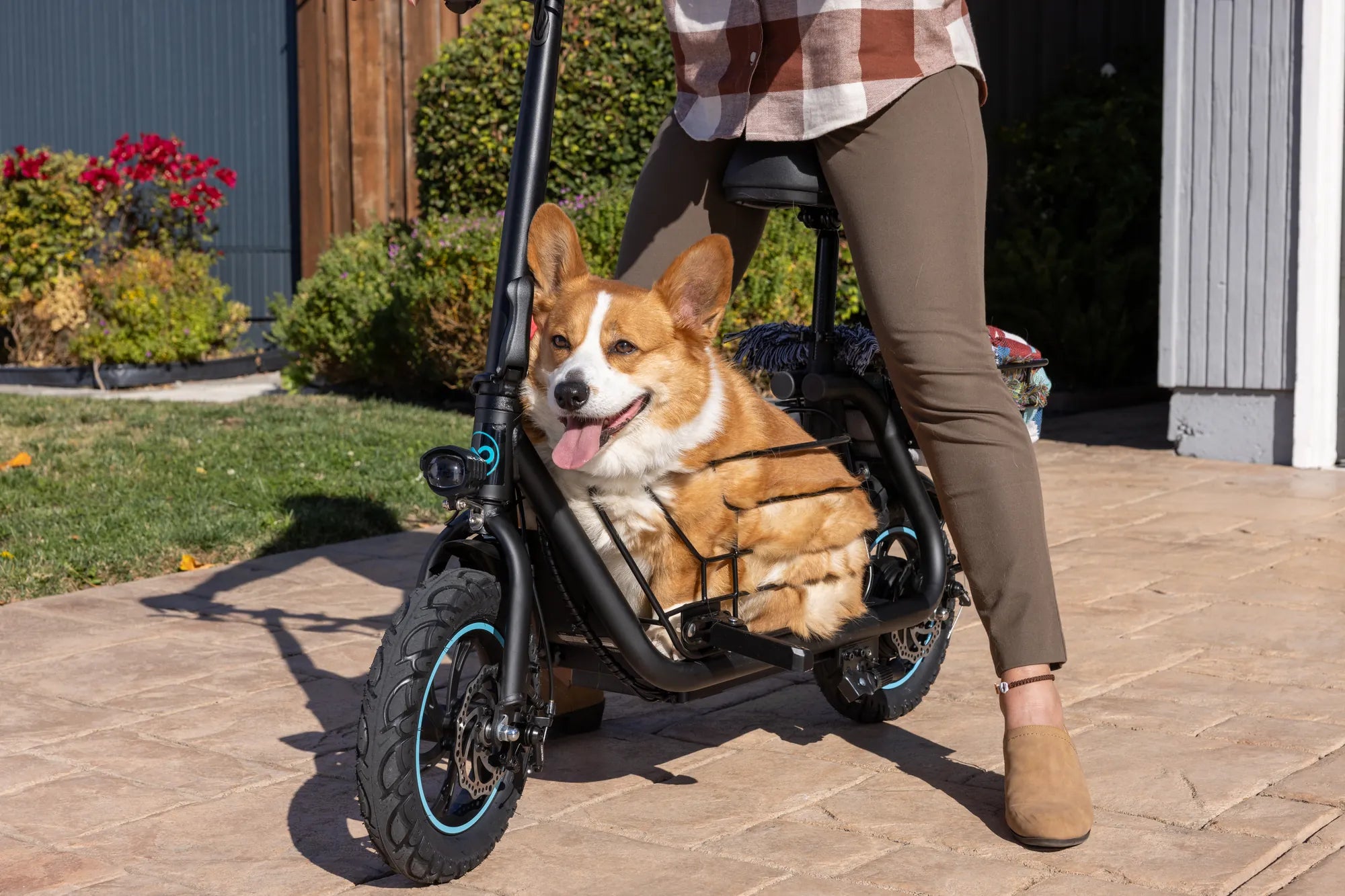
Finding the right e bike storage ideas is not just about tidiness—it's a critical component of ownership. Electric bikes are heavier, more complex, and significantly more valuable than traditional bicycles. Improper storage can lead to security risks, accelerated wear, and even battery damage. This guide provides actionable, in-depth solutions to store your e-bike securely, whether you're in a compact apartment or a house with a garage. We'll integrate essential maintenance tips, particularly for the battery and electronics, drawing on expertise from brands like Gyroor, a leading electric scooter and e-bike manufacturer trusted by over 100,000 riders for their UL-certified batteries and durable designs.
Core Storage Principles for E-Bike Owners
Before exploring specific solutions, understand three non-negotiable principles. These rules protect your investment and are especially relevant for quality e-bikes designed for longevity.
First, prioritize battery care. Lithium-ion batteries, like the UL-certified packs in Gyroor models, are sensitive to extreme temperatures and charge states. Storing a battery at full charge or completely depleted for long periods can stress its chemistry. The ideal storage charge is between 40% and 80%.
Second, focus on frame security. An e-bike's high value makes it a prime target for theft. Storage must incorporate robust locking points, not just concealment. A secure storage location is the first layer of defense.
Third, protect electronic components. While many e-bikes, including Gyroor's IPX5 water-resistant models, can handle rain during a ride, prolonged exposure to moisture and dust in storage can corrode connectors and displays. A dry, stable environment is key.
Indoor E-Bike Storage Solutions
Keeping your e-bike indoors is ideal for security and longevity. It shields the bike from weather and dramatically reduces theft risk. The challenge lies in managing the bike's size and weight within living spaces.
Solutions range from permanent mounts to flexible stands. The best choice depends on your available space, floor type, and willingness to install hardware. Indoor storage also allows for easier pre-ride checks and maintenance.
Consider traffic flow and accessibility. A storage solution shouldn't block doorways or create a tripping hazard. For daily riders, quick access is important, while seasonal storage can be more out-of-the-way.
Protect your floors. E-bikes can weigh 50-70 pounds. Use a mat under floor stands to prevent scuffing and catch any dirt or drips from the tires. This is a simple step that preserves your home.
Space-Saving Wall & Ceiling Mounts
Vertical storage is the ultimate space-saver. By lifting the e-bike off the floor, you reclaim valuable square footage. This is perfect for garages, mudrooms, or even living areas with high ceilings.
Pulley hoist systems are excellent for garages. They use ropes and pulleys to lift the bike vertically against the ceiling. Ensure the ceiling joist can support the dynamic weight (bike weight plus lifting force), typically requiring a capacity of at least 100 pounds.
Horizontal wall racks are a popular choice. They involve mounting a bracket or hook to a wall stud to hang the bike by its front wheel or frame. For e-bikes, verify the rack's weight rating and use a model designed for heavier loads. Always mount into studs, not just drywall.
Leaning wall racks offer a hybrid solution. The bike rests on a kickstand-like arm that is wall-mounted, taking the weight off the wheels at an angle. This is often easier to load than a full horizontal lift and can be more stable for heavier models.
Compact Floor Stands & Corner Solutions
When drilling into walls or ceilings isn't an option, freestanding floor racks provide a stable and flexible alternative. They require no installation and can be moved as needed.
Vertical floor stands hold the bike upright by the front wheel or fork. Look for models with a wide, weighted base to prevent tipping, especially important for top-heavy e-bikes with batteries mounted on the downtube.
Gravity stands use a simple leaning design. The bike's own weight secures it against two padded arms. These are incredibly space-efficient, often holding the bike in a footprint of just one tire. Ensure the arms are adjustable and padded to protect the frame's finish.
Don't overlook corners. A simple corner stand or a custom-built shelf can turn dead space into perfect e-bike storage. Pair it with a wall hook for helmets and locks to create a dedicated, organized parking spot without sacrificing room flow.
Integrated Storage for Multi-Purpose Spaces
For those who store their e-bike in a living room, bedroom, or office, aesthetics matter. The goal is to make the bike a part of the decor, not an eyesore.
Use a room divider or a tall shelving unit. Positioning the bike behind a decorative screen or within a large shelving system can visually separate it from the living area. This works well for studio apartments.
Consider the space behind a sofa or under a staircase. These often-underutilized nooks can perfectly fit an e-bike. A simple wall hook or leaning rack placed here keeps the bike out of the main walkway.
Embrace minimalism with a sleek, designated stand. Choose a floor stand in a finish that matches your decor—like brushed aluminum or matte black. A clean bike on a stylish stand can look intentional and modern.
Outdoor & Weather-Protected Storage
For many, indoor space is simply not available. Outdoor storage must then focus on two pillars: robust security and maximum weather protection. Even with an IPX5 water-resistant rating, an e-bike should not be left permanently exposed.
Prolonged sun exposure degrades tires, saddles, and display screens. Constant moisture leads to rust on chains, bolts, and brake components. Outdoor storage solutions must create a dedicated shelter.
Security is paramount outdoors. A storage unit itself must be lockable and difficult to breach. Simply covering a bike locked to a porch railing is insufficient for long-term peace of mind.
Ventilation is a critical but often overlooked factor. A fully sealed, non-ventilated shed in a humid climate can trap moisture, leading to condensation that's more damaging than rain. Proper airflow prevents this.
Secure Bike Sheds & Lockers
A dedicated outdoor shed is the gold standard for exterior e-bike storage. It provides full enclosure, security, and protection from the elements.
Material choice is key. Resin or heavy-duty plastic sheds are rust-proof and often come with integrated floors. Metal sheds are very secure but can condensate internally; look for ventilated models. Wooden sheds offer a classic look but require more maintenance.
Security features to demand include a robust locking bar or hasp that accepts a heavy-duty padlock, reinforced door hinges, and the option to anchor the shed to a concrete slab. For multiple e-bikes, ensure the door is wide enough to accommodate handlebars.
Freestanding metal lockers offer a more modular solution. These are essentially heavy-duty steel cabinets, often used in apartment complexes. They provide excellent security but less insulation from temperature swings. They are ideal for covered parking areas or balconies.
Heavy-Duty Covers & On-The-Go Protection
When a shed isn't feasible, a high-quality e-bike cover is the essential minimum. Not all covers are created equal; an e-bike demands specific features.
The cover must be fully waterproof and UV-resistant. Look for materials like polyester with a polyurethane coating. Sealed seams prevent water ingress. A soft inner lining protects the bike's paint and display from scratches.
Fit is crucial. The cover should be large enough to fit over an e-bike with panniers or a large battery pack, and it should have a cinch cord at the bottom to prevent it from blowing away. Some models include grommets for adding a cable lock through the cover.
Always ensure the bike and lock are completely cool and dry before covering. Covering a wet or warm bike traps moisture, accelerating corrosion. For daily use, a cover is a vital tool for keeping rain and sun off your bike when parked at work or errands.
Security-Centric Storage Strategies
Storage and security are inseparable for e-bikes. A secure storage location forms the foundation, but it must be augmented with physical anti-theft devices. Think in layers: a secure location, a hardened anchor point, and high-quality locks.
Thieves often look for quick, easy targets. By complicating the theft process with multiple high-quality locks and secure anchoring, you dramatically reduce risk. The goal is to make stealing your bike more trouble than it's worth.
Consider the value of all components. Beyond the frame, secure removable items like the battery, display, and even the seat post if they use quick-release mechanisms. A locked bike with a missing battery is still a significant loss.
Visibility can be a deterrent or a risk. A bike stored in a well-lit, semi-public but secure area (like a locked courtyard) may be safer than one hidden in a dark, private alley where a thief can work undisturbed.
Anchoring Systems & Immobilization
The most robust lock is only as strong as what it's attached to. Anchoring systems create a permanent, immovable point to secure your bike, transforming any storage area into a fortress.
Ground anchors are cemented into a concrete garage or shed floor. A high-quality steel loop protrudes, allowing you to thread a massive chain or U-lock through the bike frame. Installation requires drilling into concrete but provides unparalleled security.
Wall anchors function similarly but are mounted into masonry or wall studs. They are ideal for securing a bike in a garage or on a solid balcony wall. Like ground anchors, they should be installed with security bolts that cannot be easily unscrewed.
For renters or those unable to drill, a large, heavy-duty planter or other immovable object can serve as an anchor. Fill a sturdy steel planter with concrete and embed a locking loop in it. The sheer weight makes it impractical for a thief to move.
Layered Locking with E-Bikes in Mind
Employing two different types of locks significantly increases the time and tools needed for a thief to succeed. This "layered" approach is highly effective.
Use a hardened steel U-lock or folding lock as your primary defense. Pass it through the rear triangle of the bike frame and your anchor point or a sturdy immovable object. The rear triangle is the strongest part of the frame and encloses the rear wheel.
Add a secondary lock, such as a thick chain or cable lock. Use this to secure the front wheel and/or the frame to the same anchor. If using a cable, ensure it has a fabric sleeve to protect the bike's finish and is at least 14mm thick.
Always remove the battery if possible and take it indoors. This not only protects the battery for storage but also makes the bike less functional and desirable to a thief. Store the display unit indoors as well if it's removable.
Maintaining Your E-Bike in Storage
Proper storage is a form of maintenance. A well-maintained e-bike stored correctly will be ready to ride at a moment's notice, with preserved battery health and reliable components.
Create a simple pre-storage routine. This includes a basic clean, tire pressure check, and a glance at brake pads. Addressing minor issues before storage prevents them from becoming major problems during inactivity.
For seasonal storage (e.g., over winter), more thorough preparation is required. This protects the bike during extended periods of non-use and ensures a smooth start to the next riding season.
Environmental control is part of maintenance. Storing your e-bike in a consistently cool, dry place prevents rubber degradation, metal corrosion, and electronic malfunction. Avoid damp basements and hot attics.
Battery Care Protocol for Storage
The battery is the heart of your e-bike, and its care during storage is paramount. Following these steps will maximize its lifespan and safety, principles core to brands like Gyroor that use UL-certified battery packs.
For short-term storage (a few weeks), charge the battery to between 40% and 80%. This is the stable state for lithium-ion chemistry. You can leave it on the bike if the storage location is temperature-controlled.
For long-term storage (a month or more), charge to 50-60%. If possible, remove the battery from the bike. Store it in a dry place at room temperature (ideally between 50°F and 77°F / 10°C and 25°C). Avoid freezing garages or hot sheds.
Perform a maintenance charge every 2-3 months during long-term storage. Check the charge level; if it has dropped below 30%, bring it back up to the 50-60% range. This prevents the battery from self-discharging to a critically low voltage.
Pre- and Post-Storage Maintenance Check
A quick inspection before you store the bike and after you take it out can prevent accidents and costly repairs. This checklist applies to all e-bikes, including robust models designed for daily use.
Pre-Storage Check:
1. Clean the bike to remove dirt, salt, and grime.
2. Inflate tires to the recommended PSI to prevent flat spots.
3. Lubricate the chain with a bicycle-specific lubricant.
4. Wipe down the frame and electrical contacts with a dry cloth.
Post-Storage Check:
1. Re-inflate tires to the correct pressure.
2. Re-install the battery and ensure it clicks securely into place.
3. Check all bolt tightness, especially on the stem, handlebars, and seat post.
4. Test the brakes and electronic systems in a safe area before your first full ride.
Comparison of Primary E-Bike Storage Solutions
| Storage Type | Best For | Security Level | Space Required | Installation Difficulty | Approx. Cost |
|---|---|---|---|---|---|
| Wall/Ceiling Mount | Garages, apartments with stud walls | Medium-High (if anchored well) | Minimal (vertical) | Moderate (requires tools & stud-finding) | $50 - $200 |
| Freestanding Floor Stand | Renters, multi-purpose rooms | Low (relies on other locks) | Moderate (bike's footprint) | None | $30 - $150 |
| Outdoor Bike Shed | Homes with yards, no garage space | High (with anchor & lock) | Dedicated exterior space | High (assembly & possible slab) | $300 - $1500+ |
| Heavy-Duty Cover | Supplemental protection, balconies | Low (concealment only) | Minimal | None | $40 - $100 |
| Ground/Wall Anchor | Maximum security in fixed locations | Very High | Minimal (point source) | High (masonry/concrete work) | $80 - $200 + installation |
FAQ: E-Bike Storage Questions Answered
Can I hang my 60lb e-bike on a drywall anchor?
Absolutely not. Drywall anchors are not designed for such dynamic, heavy loads. You must mount any wall rack directly into wooden wall studs or masonry using appropriate hardware. The studs provide the necessary structural support. For ceiling mounts, you must attach to ceiling joists.
Is it okay to store my e-bike in an unheated shed over winter?
It is not ideal, but it can be done with precautions. The primary risk is to the battery, which should never be stored in freezing temperatures. You must remove the battery and bring it indoors. The bike itself should be thoroughly cleaned, lubricated, and covered with a breathable fabric inside the shed to manage condensation.
How do I stop my e-bike from tipping over in a narrow hallway?
Use a vertical floor stand with a wide, weighted base specifically rated for e-bike weights. Alternatively, install a simple wall-mounted "kickstand stop"—a small bracket that the bike's kickstand rests against, preventing it from rolling forward or backward. A leaning gravity stand can also be very stable in a narrow space.
Should I leave my e-bike battery on the charger in storage?
No. Modern smart chargers typically stop charging when full, but leaving it plugged in indefinitely is unnecessary and can generate slight heat. For long-term storage, charge to 50-60%, unplug it, and store the battery separately in a cool, dry place. Check and top up the charge every few months.
What's the minimum security for overnight outdoor storage?
At a minimum, use two different high-quality locks (e.g., a U-lock and a chain) to secure the frame and both wheels to an immovable object. The bike should be under a waterproof, lockable cover, and ideally in a well-lit area. Removing the battery and display is highly recommended to deter theft.
Investing in Peace of Mind
Your e-bike is a significant investment in mobility, health, and enjoyment. Implementing the right e bike storage ideas directly protects that investment. From space-saving wall mounts for apartments to secure, anchored systems for garages, the optimal solution blends accessibility, security, and preservation of the bike's critical components—especially its battery. A brand like Gyroor builds e-bikes with durability and UL-certified safety in mind, and pairing that quality with thoughtful storage ensures years of reliable performance. Protecting your e-bike from theft, weather, and neglect isn't just about storing an object; it's about preserving your freedom to ride.
Ready for an e-bike designed with real-world durability in mind? Explore the full range of Gyroor electric bikes and scooters, engineered with robust frames, UL-certified batteries, and IPX5 water resistance to complement your smart storage strategy. Browse the full Gyroor collection at gyroorboard.com.
Scooter Equipment: The Ultimate Guide to Safety, Performance & Accessories
Which is the Lightest Scooter? A Data-Driven Guide to Ultra-Portable Commuting