



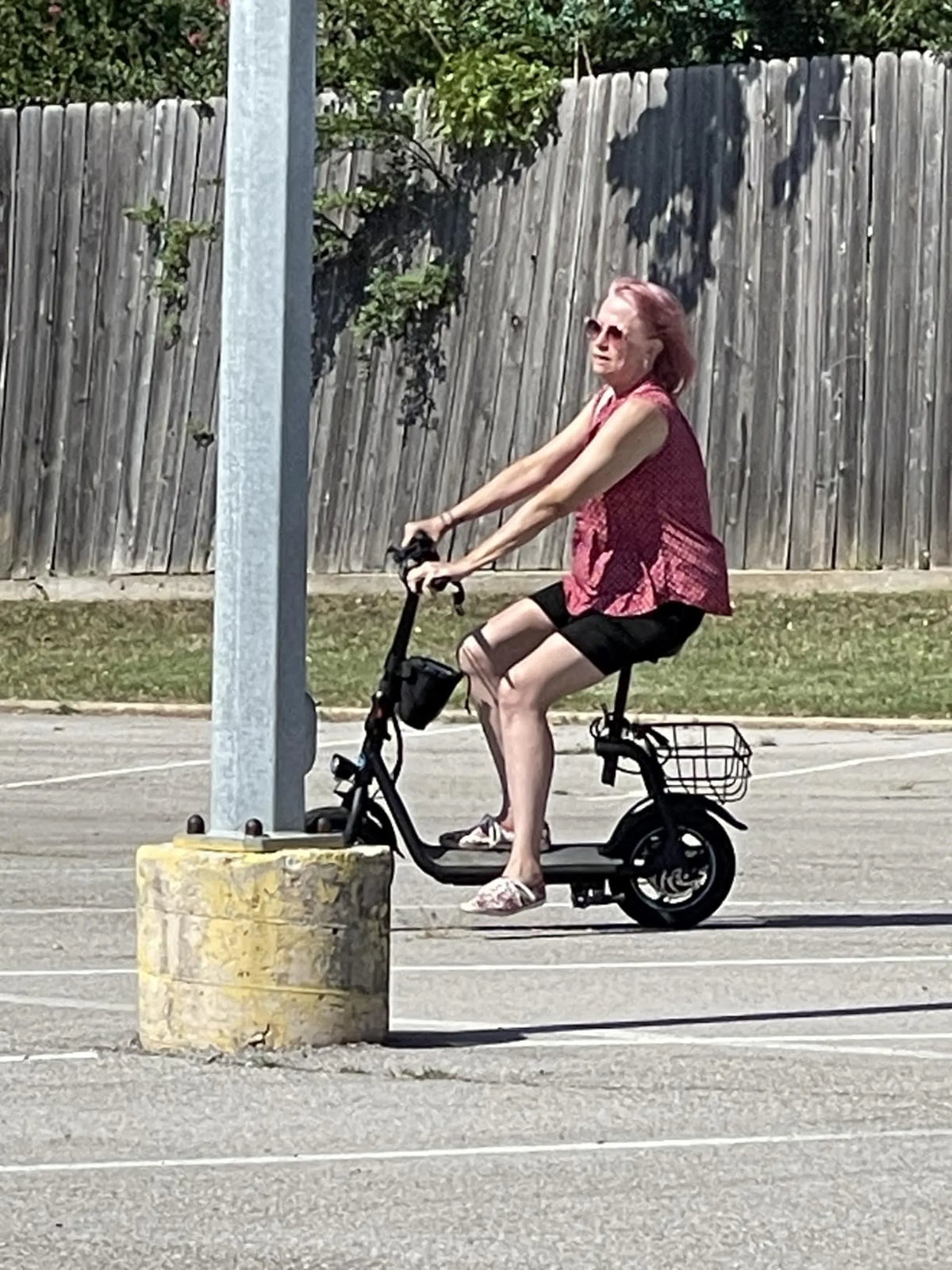
Electric mobility is revolutionizing transportation, offering eco-friendly alternatives to traditional gas-powered vehicles. Two of the most popular options—e-bikes and electric motorcycles—each have unique advantages and drawbacks. Whether you're a daily commuter, an adventure seeker, or just looking for a greener way to get around, understanding the differences between these two electric rides is essential.
What Defines an E-Bike?
E-bikes, or electric bicycles, blend pedal power with electric assistance. They typically feature a small electric motor that kicks in when you pedal, making uphill climbs and long distances easier. Most e-bikes have a top speed of around 20-28 mph, depending on local regulations, and are classified as bicycles rather than motor vehicles.
Key Features of E-Bikes
- Pedal-assist or throttle-controlled operation
- Lightweight frame compared to motorcycles
- Lower maximum speed (usually under 30 mph)
- No need for a motorcycle license in most regions
- Lower upfront and maintenance costs
What Defines an Electric Motorcycle?
Electric motorcycles, on the other hand, are fully motorized vehicles designed for higher speeds and longer ranges. Unlike e-bikes, they don’t require pedaling and are built similarly to traditional motorcycles, with powerful motors and larger battery packs. They often exceed speeds of 60 mph and require registration, insurance, and a motorcycle license.
Key Features of Electric Motorcycles
- No pedaling required—pure electric propulsion
- Higher top speeds (often 60+ mph)
- Longer range per charge
- Heavier and more robust construction
- Requires a motorcycle license and registration
Performance and Speed Comparison
When it comes to performance, electric motorcycles outpace e-bikes in both speed and acceleration. E-bikes are ideal for urban commuting and short trips, while electric motorcycles are better suited for highway travel and longer distances. However, e-bikes offer the advantage of being able to use bike lanes and paths, which can save time in congested cities.
Range and Battery Life
Electric motorcycles generally have larger batteries, providing ranges of 100 miles or more on a single charge. E-bikes, while more limited in range (typically 20-50 miles), can extend their distance with pedal power. Charging times also differ—e-bike batteries often recharge in 3-6 hours, while electric motorcycle batteries may take longer.
Cost and Affordability
E-bikes are significantly more affordable than electric motorcycles, with prices ranging from a few hundred to a few thousand dollars. Electric motorcycles, due to their advanced technology and higher performance, can cost several thousand dollars or more. Maintenance costs for e-bikes are also lower, as they have fewer complex components.
Legal and Licensing Requirements
One of the biggest differences between e-bikes and electric motorcycles is the legal classification. E-bikes are often treated like traditional bicycles, meaning no license or registration is required in most areas. Electric motorcycles, however, are subject to the same regulations as gas-powered motorcycles, including licensing, insurance, and helmet laws.
Which One Should You Choose?
The decision between an e-bike and an electric motorcycle depends on your needs. If you want a cost-effective, low-maintenance option for short commutes and recreational rides, an e-bike is a great choice. If you need higher speeds, longer range, and a more motorcycle-like experience, an electric motorcycle may be the better fit.
Both e-bikes and electric motorcycles offer exciting, sustainable alternatives to traditional transportation. Whether you prioritize speed, convenience, or affordability, there’s an electric ride that’s perfect for you. The future of mobility is electric—so why not find the one that matches your lifestyle today?
98 Volt E Bike: The Future of High-Powered Electric Cycling
Tricycle Bike with Basket: The Ultimate Guide to Convenient and Stylish Riding