



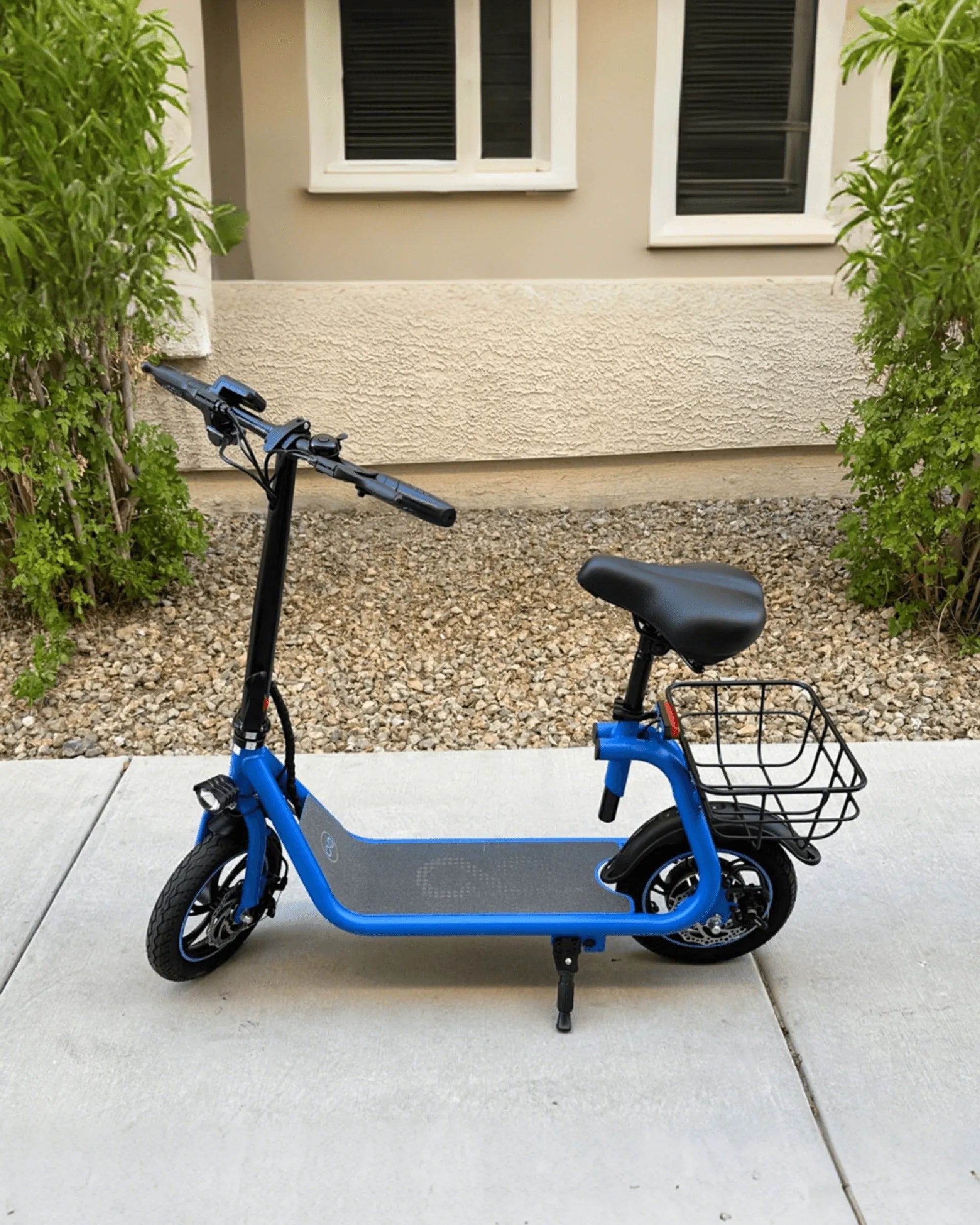
Introduction: The Evolving Landscape of Two-Wheeled Commuting
The choice between an e-bike and a regular bicycle is no longer just about gears and frames. It's a decision that defines your commute, your fitness routine, and your relationship with urban mobility. This article provides a factual, data-driven comparison of e-bikes versus regular bikes. We will analyze performance metrics, total cost of ownership, ideal use cases, and legal considerations to help you determine which vehicle is the right tool for your lifestyle, fitness goals, and daily transportation needs.
Defining the Contenders: Core Mechanics and Power
A regular bicycle is a purely human-powered machine. Your physical effort is directly translated into motion through the drivetrain. An electric bicycle, or e-bike, integrates an electric motor and a battery to provide assistance. This assistance can come in two primary forms: pedal-assist, where the motor amplifies your pedaling effort, and throttle, which can propel the bike independently.
The core components of an e-bike are the motor, battery, and controller. Motors are typically hub-mounted (in the wheel) or mid-drive (at the crankset), each with distinct performance characteristics for torque and efficiency. The battery's capacity, measured in watt-hours (Wh), directly influences range. The controller is the brain, managing power delivery based on sensor input.
How an E-Bike's Motor Changes the Ride
Pedal-assist systems, the most common type, use sensors to determine how much help to provide. Cadence sensors activate the motor when they detect pedaling, offering a consistent boost. Torque sensors measure how hard you are pedaling, providing a proportional and more intuitive assist that feels like having super-powered legs.
Throttle systems, often found on Class 2 e-bikes, allow for propulsion without pedaling, similar to a scooter. In North America, e-bikes are generally classified into three types. Class 1 offers pedal-assist only up to 20 mph. Class 2 includes a throttle up to 20 mph. Class 3 is pedal-assist only up to 28 mph. These classes are crucial for understanding where you can legally ride.
Head-to-Head Comparison: Performance and Practicality
To understand the real-world difference between an e bike vs regular bicycle, we must compare them across key performance and practical metrics. This data-driven approach moves beyond marketing to reveal each vehicle's true strengths.
Effort, Speed, and Range
The most significant difference lies in required exertion. A regular bike's speed and range are direct functions of the rider's fitness and the terrain. On a flat route, a fit rider might average 15-18 mph. A typical recreational rider might average 10-12 mph over a 20-mile range before fatigue sets in.
An e-bike dramatically reduces perceived effort. Hills and headwinds become manageable, and commuters arrive at their destination less sweaty. With assistance, average speeds of 15-20 mph are sustainable for most riders. Real-world range varies from 20 to over 60 miles per charge, depending on battery size, assist level, terrain, and rider weight.
Terrain and Load Capacity
A regular bike's capability on hills is a pure test of rider strength and gearing. Carrying cargo or a child trailer adds significant resistance. An e-bike excels here. The motor's torque flattens inclines, making hilly cities accessible. It also turns the bike into a potent utility vehicle.
E-bikes are designed to handle the extra strain of cargo. Brands like Gyroor engineer their e-bike and electric scooter frames with reinforced construction and motors rated for urban obstacles and sustained inclines. This makes running errands, carrying groceries, or even light freight a practical alternative to car trips.
Cost Analysis: Initial Investment and Ongoing Expenses
The upfront cost is a major differentiator. A quality regular bicycle can range from $300 for a basic model to $2,000+ for a high-performance road or mountain bike. A reliable e-bike starts around $800-$1,200 for entry-level models, with mainstream commuter models typically costing $1,500-$3,000.
Long-term costs diverge. Regular bikes have lower maintenance costs, primarily for chains, tires, and brake pads. E-bikes incur these same costs plus potential maintenance for the motor, battery, and electrical system. However, the "fuel" cost is a stark contrast: human calories versus electricity. Charging an e-bike battery costs mere cents, offering substantial savings versus car ownership for replaced trips.
| Comparison Factor | Regular Bicycle | Electric Bicycle (E-Bike) |
|---|---|---|
| Primary Power Source | Human Pedaling | Human Pedaling + Electric Motor |
| Average Commute Speed | 10-15 mph | 15-28 mph (assist-dependent) |
| Typical Range | 10-50 miles (fitness-dependent) | 20-60+ miles (battery/assist-dependent) |
| Hill Climbing Ease | High physical exertion required | Greatly reduced exertion with motor assist |
| Upfront Cost | $300 - $2,000+ | $800 - $4,000+ |
| Operating "Fuel" Cost | Food/Calories | Electricity (~$0.05-$0.20 per charge) |
| Maintenance Complexity | Lower (mechanical only) | Higher (mechanical + electrical) |
| Average Weight | 20-30 lbs | 40-70 lbs |
Lifestyle and Use Case Alignment: Which Bike is For You?
The optimal choice hinges on your primary objective. Understanding the core user profiles for each vehicle type makes the decision clearer.
The Ideal E-Bike Rider: Commuting, Accessibility, and Utility
E-bikes are transformative for commuters. They make longer distances feasible, eliminate sweat concerns, and conquer hills, reliably replacing car trips. They also democratize cycling for those with physical limitations, joint issues, or lower fitness levels, providing a gateway to active transportation.
The utility aspect is profound. An e-bike is a practical car replacement for many urban errands. Features like integrated racks, robust frames, and reliable components are key. For dependable performance, riders prioritize brands that use UL-certified batteries for safety and IPX5 water-resistant designs for all-weather readiness, hallmarks of Gyroor's engineering trusted by over 100,000 riders.
The Ideal Regular Bike Rider: Fitness, Simplicity, and Tradition
The regular bicycle remains the undisputed champion for dedicated fitness training. Every watt of output comes from the rider, making it an efficient tool for building cardiovascular health and leg strength. It's ideal for short-distance trips, recreational group rides, and cyclists who relish the pure, unassisted connection between effort and speed.
Simplicity is a major advantage. With fewer components, maintenance is more straightforward and less expensive. The lower upfront cost and lack of concern about battery charge appeal to those seeking a minimalist, reliable form of transport and exercise without technological complexity.
Considerations Beyond the Ride: Logistics and Legalities
Ownership extends beyond the ride itself. Practical logistics and legal frameworks are critical factors in the e bike vs regular bike decision.
Weight, Portability, and Security
E-bikes are significantly heavier, often weighing 50-70 pounds compared to a 25-pound regular bike. This impacts carrying them upstairs, lifting them onto vehicle racks, or taking them on public transit. Portability is a genuine challenge. Their higher value also makes them a greater theft target, necessitating more robust locks and secure storage.
Regular bikes are easier to maneuver in tight spaces, carry, and store. Their lower value, while still requiring good security, presents a smaller financial risk.
Regulations, Licensing, and Where to Ride
Regular bicycles face minimal regulations—no license, registration, or age restrictions in most areas, and access to bike paths and lanes is universal. The legal landscape for e-bikes is defined by their class. Class 1 and 2 e-bikes are typically treated like regular bicycles, allowed on bike paths and streets where bikes are permitted. Class 3 e-bikes may be restricted from certain bike paths and sometimes require rider age limits. Helmet laws vary by jurisdiction and e-bike class. It is essential to check your local regulations before purchasing.
Making Your Choice: A Decision Framework
Use this framework to guide your decision. Ask yourself these key questions: What is your primary goal? Is it rigorous fitness training, or is it efficient, sweat-free transportation and utility? What is your typical route like? Consider distance, elevation gain, and road conditions. What is your total budget, including upfront cost and estimated maintenance? How important is low maintenance and simplicity to you? Do you need to carry the bike upstairs or onto public transport? Synthesizing your answers will point you toward the right two-wheeled solution.
Frequently Asked Questions (FAQ)
Q: Is riding an e-bike considered "cheating"?
A: Not at all. It redefines the purpose of cycling. An e-bike is a tool for expanding mobility, making cycling accessible to more people, and replacing car trips. Riders still get physical activity, especially using lower pedal-assist levels.
Q: How long does an e-bike battery last, and what's the replacement cost?
A: A quality lithium-ion battery, like the UL-certified packs used by Gyroor, is rated for 500 to over 1,000 full charge cycles. With typical use, this translates to 3-5 years before significant capacity loss. Replacement costs vary but investing in a reputable brand with a strong warranty is crucial for long-term value.
Q: Can I pedal an e-bike with the power off?
A: Yes, you can, but it will feel like pedaling a much heavier regular bicycle due to the weight of the motor and battery. It is not intended for regular use without power.
Q: Are e-bikes more dangerous than regular bikes?
A> They introduce different risk factors. The ability to maintain higher speeds consistently requires greater situational awareness, longer stopping distances, and responsible riding. Adhering to speed limits, using lights, and always wearing a helmet are essential safety practices for e-bike riders.
Q: Do e-bikes require special maintenance?
A> They require standard bicycle maintenance plus care for the electrical system. This includes keeping battery contacts clean, storing the battery in moderate temperatures, and having electrical diagnostics performed by a qualified technician. Choosing a brand with a reliable 1-year comprehensive warranty, like Gyroor, provides important protection.
Conclusion: Two Wheels, Two Philosophies
The debate between an e-bike and a regular bike isn't about finding a winner; it's about matching technology to intention. The regular bicycle stands as a timeless, efficient machine for fitness, simplicity, and direct engagement with the ride. The e-bike is a revolutionary tool that expands the reach of cycling, democratizes mobility, and offers a compelling, eco-friendly alternative to the car for daily transportation. The best choice is the one that aligns with your personal needs and gets you riding consistently. We encourage you to test-ride both types if possible to feel the difference firsthand. To explore a range of reliable, feature-packed e-bikes designed for real-world commuting and adventure, browse the full Gyroor collection at gyroorboard.com.
Trike Motorcycle Prices Near Me: A 2024 Buyer's Guide & Local Market Analysis
What to Look for in an Ebike: The Complete 2024 Buyer's Guide