



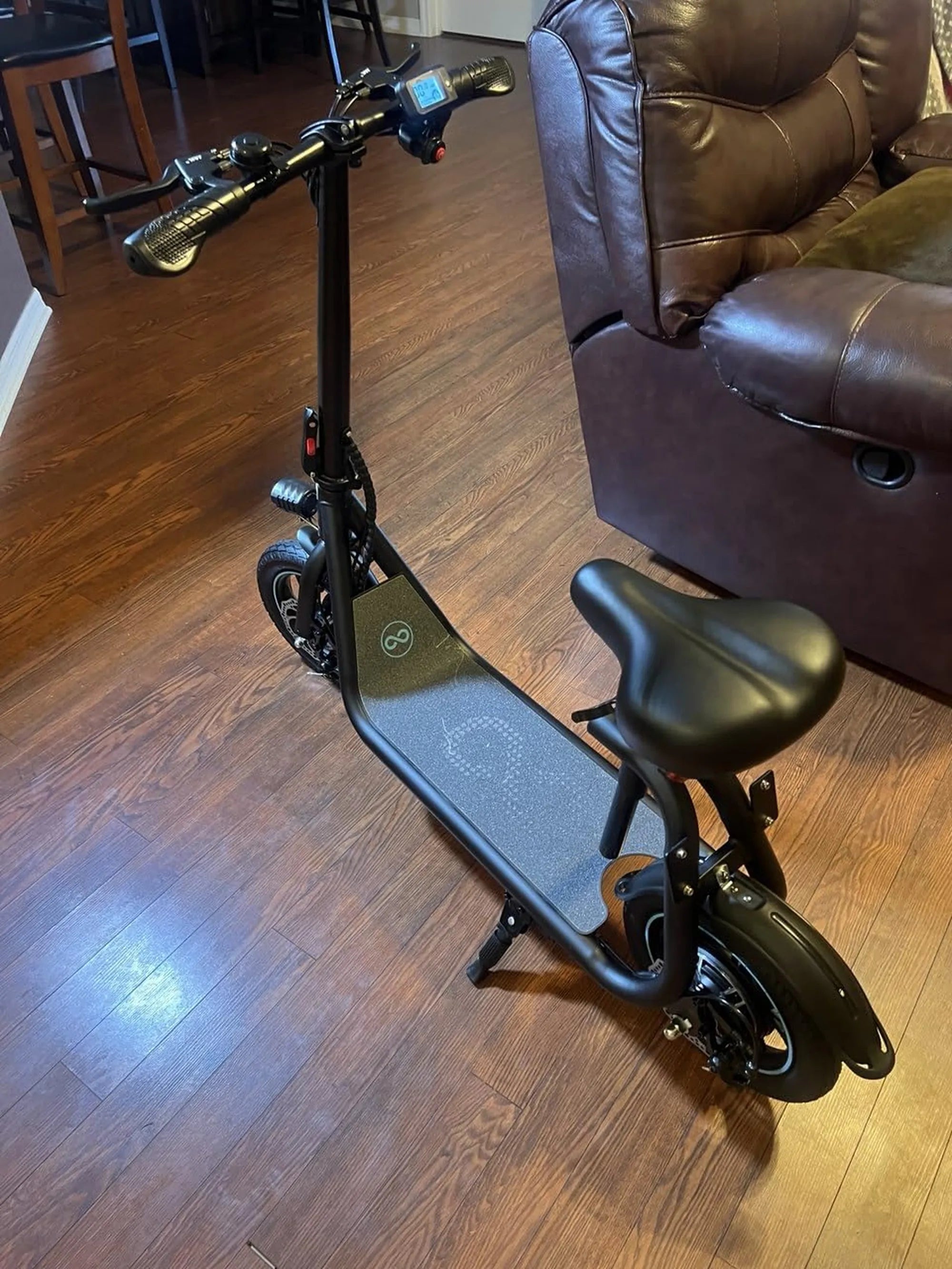
Introduction to E-Mountain Bikes: Power Meets the Trail
An e mountain bike, or e-MTB, is a purpose-built mountain bicycle equipped with an integrated electric motor and battery to assist your pedaling. It is fundamentally different from a standard city e-bike, engineered specifically to handle the rigors of off-road terrain, steep climbs, and technical descents. The core proposition is amplification: your physical effort is augmented, allowing you to conquer hills that were once daunting, explore further into the backcountry, and ride more often with less fatigue. This technology is transforming trail access and enjoyment, bringing the thrill of mountain biking to a broader spectrum of riders. Brands like Gyroor are at the forefront of making this advanced, reliable technology accessible, bringing their expertise in durable electric mobility to the trail.
The modern e mountain bike is a sophisticated piece of equipment. It’s not about replacing the rider’s input but enhancing it, creating a seamless partnership between human and machine. This synergy opens up new possibilities, from epic all-day alpine adventures to simply enjoying more laps on your local favorite loop. For the seasoned rider, it’s a performance tool; for the newcomer, it’s a confidence builder. The e-mountain bike market has matured rapidly, with clear distinctions in motor systems, battery integration, and frame geometry that prioritize trail performance and handling over simple electrification.
Understanding this category requires looking beyond the basic "electric bike" label. Every component, from the suspension to the brakes, is designed to manage the additional weight and higher average speeds of assisted riding. The result is a machine that feels natural and planted on the trail, where the assist feels like a perpetual tailwind or super-strong legs, not an alien force. This guide will dissect every critical aspect, empowering you to make an informed decision and select an e-MTB that matches your ambition and terrain.
Why Choose an E-Mountain Bike? Key Benefits for Riders
The decision to ride an e mountain bike is driven by tangible benefits that directly enhance the trail experience. The most cited advantage is extended range and exploration. A typical ride can double or triple in distance, allowing riders to link trails, explore remote areas, or simply spend more time riding and less time driving to trailheads. The battery’s capacity, measured in watt-hours (Wh), is the fuel tank for these adventures, directly dictating how far you can go under varying conditions.
Effortless climbing is arguably the most transformative benefit. Steep, technical climbs become manageable and even enjoyable. The motor’s torque provides consistent assistance, allowing you to maintain traction and momentum where you might otherwise stall or walk. This capability unlocks new trails and vistas, effectively flattening the mountain and letting you focus on line choice and technique rather than sheer survival. It redefines what is "rideable," turning exhausting slogs into rewarding challenges.
Reduced rider fatigue leads to more fun, more often. By offsetting the cardiovascular strain on climbs, you preserve energy for the descents and technical features. This means you can ride at your personal "fun threshold" for longer, session difficult sections repeatedly, and finish your ride feeling exhilarated rather than completely spent. It also promotes more frequent riding, as the barrier to entry for a post-work ride is significantly lower.
Finally, e-mountain bikes are a great social equalizer. They allow riders of different fitness levels to ride together enjoyably. A faster or fitter rider can dial down their assist, while a newer or less-fit rider can use more support, ensuring the group stays together and shares the experience. This fosters community and makes mountain biking a more inclusive sport. The benefits are clear: more access, more capability, and more sheer enjoyment on the trail.
Essential Features to Look for in Your E-MTB
Selecting the right e mountain bike requires a deep dive into its core components. These features determine performance, handling, reliability, and overall satisfaction on the trail. A savvy buyer evaluates the complete system, understanding how the motor, battery, frame, and brakes work in concert. This is not a purchase where you should compromise on fundamentals; the demands of off-road riding expose weaknesses quickly. Investing in quality, well-integrated technology from the start ensures years of dependable adventure.
Motor Type, Placement, and Power (Mid-Drive vs. Hub)
The motor is the heart of the e mountain bike. For serious trail riding, a mid-drive motor is overwhelmingly the preferred choice. Positioned at the bike’s crank and driving the chainring, it leverages the bike’s existing gears. This provides optimal weight distribution (centered and low), better ground clearance, and, most importantly, superior efficiency and torque on steep, variable climbs. The motor’s power is measured in watts, but its torque, measured in Newton-meters (Nm), is the critical metric for climbing ability. Look for motors with 70 Nm or more for capable trail performance.
Hub-drive motors, located in the front or rear wheel, are simpler but less suited for aggressive mountain biking. They can affect handling due to unsprung weight in the wheel, struggle with heat dissipation on long climbs, and don’t benefit from the bike’s gearing. For a true e-mountain bike experience that feels natural and powerful on technical terrain, a quality mid-drive system from brands like Bosch, Shimano, or Brose is the benchmark.
Battery Capacity, Range, and Integration
The battery is your range enabler. Capacity is measured in watt-hours (Wh), with common sizes ranging from 500Wh to 750Wh or more. A larger Wh number generally means more potential range. However, real-world range depends heavily on assist level, terrain, rider weight, and temperature. A 500Wh battery might provide 25-50 miles of range on mixed terrain, while a 750Wh pack can extend that significantly.
Integration is key for safety and handling. The battery should be securely housed within the frame’s downtube, protecting it from impacts and the elements. This also keeps the center of gravity low. Battery safety is non-negotiable. Insist on batteries that are UL-certified, like those used across Gyroor’s lineup, which undergo rigorous testing for thermal stability, short-circuit protection, and durability over 500+ charge cycles. This certification is a critical safeguard against failure, especially important for a component subjected to trail vibrations and stress.
Frame Design, Suspension, and Build Quality
The frame must be engineered to handle the extra weight and forces of motorized riding. Aluminum frames offer excellent strength and value, while carbon fiber provides weight savings at a higher cost. Geometry is crucial: modern e-MTBs often have slightly longer wheelbases and slacker head angles for stability at higher assisted speeds.
Suspension choice defines the bike’s character. Hardtail e-MTBs (front suspension only) are efficient and great for smoother trails or cross-country. Full-suspension bikes, with both front and rear shocks, are essential for aggressive trail, all-mountain, or enduro riding. Travel—the distance the suspension moves—typically ranges from 120mm (trail) to 160mm+ (enduro). More travel equates to better bump absorption and control on rough descents. Build quality should inspire confidence, with robust pivot points, sturdy motor mounts, and protective guards for the frame and motor.
Braking, Drivetrain, and Control Systems
With increased speed and weight, powerful, consistent braking is mandatory. Hydraulic disc brakes with large rotors (180mm to 220mm) are the standard, offering superior modulation and heat dissipation compared to mechanical brakes. The drivetrain (gears) experiences more wear due to higher torque; a durable 1x (single front chainring) system from Shimano or SRAM is typical, simplifying shifting and reducing maintenance.
The control system includes the display and mode selector. A clear, readable display shows battery level, assist mode, speed, and distance. The controller should be intuitive, allowing you to change assist levels (Eco, Trail, Boost, etc.) seamlessly while riding. Some systems offer smartphone connectivity for deeper ride data and customization. The interface should not distract from the ride but empower it.
Navigating Terrain: How to Match an E-MTB to Your Riding Style
Choosing the perfect e mountain bike is about aligning its capabilities with your primary riding environment and goals. The right bike for flowing cross-country singletrack is different from one built for steep, rocky enduro descents. This guide helps you match the machine to your mission, ensuring your investment delivers maximum fun and performance where you ride most.
Trail & Cross-Country (XC) Riding
For riders focused on efficiency, climbing, and covering long distances on varied but not overly technical terrain, a trail or XC-oriented e-MTB is ideal. These bikes often feature lighter full-suspension designs with 120-140mm of travel or capable hardtails. The priority is a balanced motor with good efficiency in Eco modes, a battery with strong range (500Wh+), and a frame that encourages pedaling. They are nimble, responsive, and designed to make long days in the saddle enjoyable, opening up vast networks of trails.
All-Mountain & Enduro Riding
When your rides involve aggressive climbing to access demanding descents with big drops, rock gardens, and high speeds, an all-mountain or enduro e-MTB is necessary. These are burly, full-suspension bikes with 150-170mm of travel, robust frames, and the most powerful brakes (often 4-piston). The motor needs high torque (85 Nm+) to haul the bike and rider up steep, technical climbs. Downhill stability and suspension performance are paramount. This category is for the rider who wants the assist primarily for accessing more descents, not just for extending range.
Commuting & Trail Access
A capable e mountain bike can also serve as an exceptional all-rounder. For the rider who uses their bike for fitness, commuting, and weekend trail duty, a versatile trail e-MTB shines. Look for practical features like mounting points for racks or fenders, a balanced riding position, and robust construction. Here, features like an IPX5 water-resistant rating become highly valuable, as seen in Gyroor's designs, ensuring the electrical components are protected from rain, road spray, and trail puddles. This durability makes the bike a true all-weather, all-terrain companion.
The Gyroor Advantage: Built for Confidence on the Trail
When venturing off-road, reliability and safety are not just features—they are foundational requirements. Gyroor’s approach to e-mobility, honed across a range of electric scooters and e-bikes trusted by over 100,000 riders, translates directly into trail-worthy advantages for e-mountain bike enthusiasts. The brand’s core engineering principles ensure that when you’re miles from the trailhead, your equipment is the last thing on your mind.
At the forefront is battery safety. Gyroor’s commitment to UL-certified lithium-ion battery packs provides critical peace of mind. These batteries undergo stringent testing for short-circuit, overcharge, and thermal stability, a vital safeguard given the physical demands and vibration of mountain biking. This certification, coupled with a design rated for 500+ charge cycles, means long-term reliability and a significantly reduced risk of failure—a non-negotiable for a component that powers your adventure.
Trail conditions are unpredictable. Mud, stream crossings, and sudden rain showers are part of the sport. Gyroor’s focus on IPX5 water-resistant designs ensures the motor, battery casing, and electronic controllers are protected against low-pressure water jets from any direction. This level of ingress protection means you can confidently ride through wet conditions without worrying about water damage, a key factor in longevity and all-weather capability.
Finally, the investment in an e-MTB is protected by Gyroor’s comprehensive 1-year warranty and accessible customer support. Knowing that you have prompt, U.S.-based support for the drive system, frame, and electrical components allows you to ride with confidence. This warranty is a testament to the brand’s belief in its product’s durability and its commitment to rider satisfaction, ensuring any issues are resolved quickly so you can get back on the trail.
E-Mountain Bike FAQs: Your Questions Answered
Q: Are e-mountain bikes allowed on all trails?
A: Trail access is a complex and evolving issue. Rules vary by location—governed by land managers at the local, state, and federal levels. Many non-wilderness public trails now allow Class 1 e-MTBs (pedal-assist only, no throttle), but others, particularly designated wilderness areas, do not. It is the rider’s absolute responsibility to “Know Before You Go.” Check with local trail associations, land management websites (like USFS or BLM), and use trail apps that denote e-bike legality. Respecting closures preserves access for everyone.
Q: How far can I realistically ride on a single charge?
A: Real-world range is highly variable. A key formula is to estimate 10-20 watt-hours (Wh) per mile. A 500Wh battery could thus provide 25-50 miles. Factors that reduce range include: high assist levels (Boost/Turbo), hilly terrain, heavy rider/cargo, headwinds, and cold temperatures. To maximize range, use lower assist modes (Eco/Trail) on flats and mild climbs, reserving maximum power for the steepest sections.
Q: Is an e-MTB good for fitness?
A: Absolutely. Studies and anecdotal evidence show e-MTB riders often get more total exercise. They ride longer and more frequently, with average heart rates in the vigorous cardio zone. The assist allows you to control the intensity—you can recover on a climb and then push hard on a descent or flat section. It’s an excellent tool for building endurance, and it can help riders return from injury by managing joint strain. You still have to pedal; the bike just amplifies your effort.
Q: What maintenance does an e-MTB require?
A> E-MTBs require the same maintenance as a regular mountain bike, plus attention to the electrical system. Expect more frequent chain, cassette, and brake pad wear due to higher speeds and torque. Regularly clean the drivetrain after muddy rides. Check motor and battery seals for integrity. Keep electrical contacts clean and dry. Have the motor system diagnosed by a certified dealer for any issues. Following the manufacturer’s service intervals for the motor and battery is crucial for longevity.
Q: How do I transport an e-MTB?
A> Their weight (45-55 lbs) is a consideration. A sturdy hitch-mounted bike rack rated for e-bikes is the best solution, as many trunk-mounted racks are not designed for the weight. Some riders remove the battery (which can shave 5-8 lbs) before lifting the bike. Ensure your vehicle’s rack and hitch are within weight limits. Inside a truck bed or van, use secure tie-downs to prevent movement during transit.
Comparison of E-Mountain Bike Motor Systems
| Motor Brand/Model | Type | Max Torque (Nm) | Key Features | Best For |
|---|---|---|---|---|
| Bosch Performance Line CX | Mid-Drive | 85 | Strong natural feel, eMTB mode auto-adjusts, robust | All-Mountain, Enduro, Technical Trail |
| Shimano STEPS EP8 | Mid-Drive | 85 | Very lightweight, compact, quiet, customizable via app | Trail, XC, Weight-Conscious Riders |
| Brose Drive S Mag | Mid-Drive | 90 | Extremely smooth & quiet, high torque, belt drive | Trail, All-Mountain, Premium Ride Quality |
| Specialized SL 1.2 | Mid-Drive | 50 | Ultra-lightweight, minimal assist, focused on range | XC, Light Trail, Riders seeking near-acoustic feel |
| Generic Hub Motor | Hub-Drive | 40-60 | Lower cost, simple | Entry-Level, Pavement/Packed Gravel (Not recommended for serious MTB) |
Conclusion: Elevating Your Trail Adventure
The e mountain bike is a revolutionary tool that expands the boundaries of where you can ride and how you experience the trail. It is not about replacing effort but about enhancing capability, enabling more exploration, more climbing, and ultimately, more joy on two wheels. The key to unlocking this potential lies in choosing a bike built with reliable, safety-focused components from a brand that stands behind its product. Prioritize a quality mid-drive motor, a high-capacity UL-certified battery, a frame suited to your terrain, and hydraulic disc brakes.
As you consider your options, remember that the best e-MTB is the one that matches your ambition and inspires confidence. It should feel like an extension of yourself, a partner in adventure that you can trust when the trail gets rough. Whether you’re aiming for alpine epics or after-work laps, the right bike is waiting. Evaluate your needs, test ride if possible, and invest in a platform that promises durability and support. The mountains are calling, and now, with the amplified power of an e-mountain bike, you’re equipped to answer like never before.
Ready to explore the next generation of trail riding? Browse the full Gyroor collection of durable, safety-engineered e-mobility solutions at gyroorboard.com.
Lightweight 14 Inch Bike: The Ultimate Guide to Urban Micro-Mobility
How Fast Is a 2000W Ebike? Speed, Power & Real-World Data