



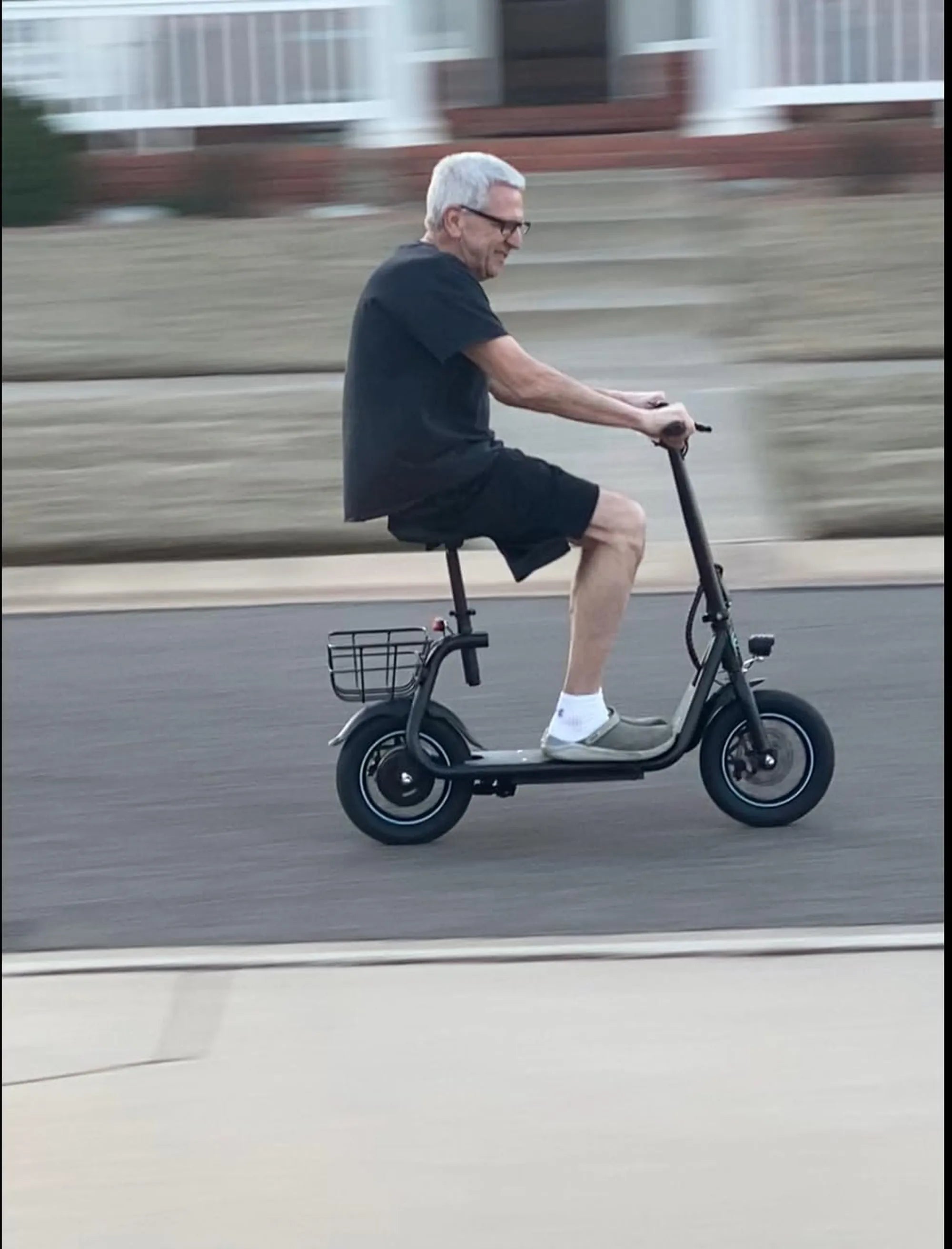
Imagine gliding through city streets on a sleek, silent e scooter that knows your route before you do. By 2026, these electric marvels won't just be gadgets—they'll be the backbone of urban mobility, reshaping how we navigate our concrete jungles. The next generation of e scooters promises to blend futuristic tech with eco-conscious design, offering a glimpse into a world where traffic jams and pollution are relics of the past.
Advanced Battery Technology
One of the most significant leaps in e scooter 2026 models will be their battery systems. Gone are the days of frequent charging and limited range. Solid-state batteries will dominate, offering faster charging times, longer lifespans, and increased energy density. Riders can expect ranges exceeding 60 miles on a single charge, with some prototypes even testing self-healing materials to prevent degradation over time.
AI-Powered Navigation
Artificial Intelligence will transform e scooters into intelligent commuting partners. Built-in AI will analyze traffic patterns, weather conditions, and rider behavior to suggest optimal routes in real-time. Some models may even feature predictive maintenance, alerting users to potential issues before they arise. Imagine your e scooter rerouting you automatically to avoid a sudden downpour or notifying you that it needs a tire check next Tuesday.
Enhanced Safety Features
Safety takes center stage in the 2026 e scooter revolution. Expect to see:
- 360-degree collision avoidance systems using LiDAR and ultrasonic sensors
- Adaptive headlights that adjust brightness based on surroundings
- Emergency braking that activates when detecting pedestrians or obstacles
- Biometric authentication to prevent unauthorized use
Sustainable Materials and Production
The e scooter 2026 wave will ride on sustainability. Manufacturers are exploring bamboo frames, recycled aluminum alloys, and even mushroom-based composites for body construction. Solar panel-integrated decks will provide auxiliary power, while regenerative braking systems will capture kinetic energy. These innovations aim to create a truly circular economy for personal mobility devices.
Smart City Integration
Future e scooters won't operate in isolation—they'll be networked components of smart cities. Vehicle-to-infrastructure communication will allow scooters to:
- Sync with traffic lights to minimize stops
- Identify available parking spots through city-wide sensors
- Automatically adjust speed limits in school zones or high-pedestrian areas
- Contribute data to urban planning initiatives
The Sharing Economy Evolution
Shared e scooter services will become more sophisticated by 2026. Dynamic pricing algorithms will better match supply with demand, while self-repositioning fleets will use autonomous technology to redistribute themselves based on usage patterns. Advanced geofencing will create virtual parking corrals, solving the clutter problems that plagued early adoption years.
Customization and Personalization
Owners of 2026 e scooters will enjoy unprecedented customization options. Modular designs will allow users to swap out components like handlebars, seats, and even wheel types for different terrains. Digital skins will let riders change their scooter's appearance with a tap on their smartphone, while performance profiles can adjust acceleration and top speed based on rider preference or local regulations.
The e scooter revolution coming in 2026 isn't just about getting from point A to B—it's about reimagining urban life itself. These nimble electric vehicles will become our smart, sustainable companions in cities designed for people, not cars. As battery tech matures and AI grows more sophisticated, your daily commute might just become the highlight of your day. The future of mobility is silent, swift, and surprisingly stylish—are you ready to ride the wave?
1500W Scooter: The Ultimate Guide to Power, Performance, and Practicality
1500W Scooter: The Ultimate Guide to Power, Performance, and Practicality