

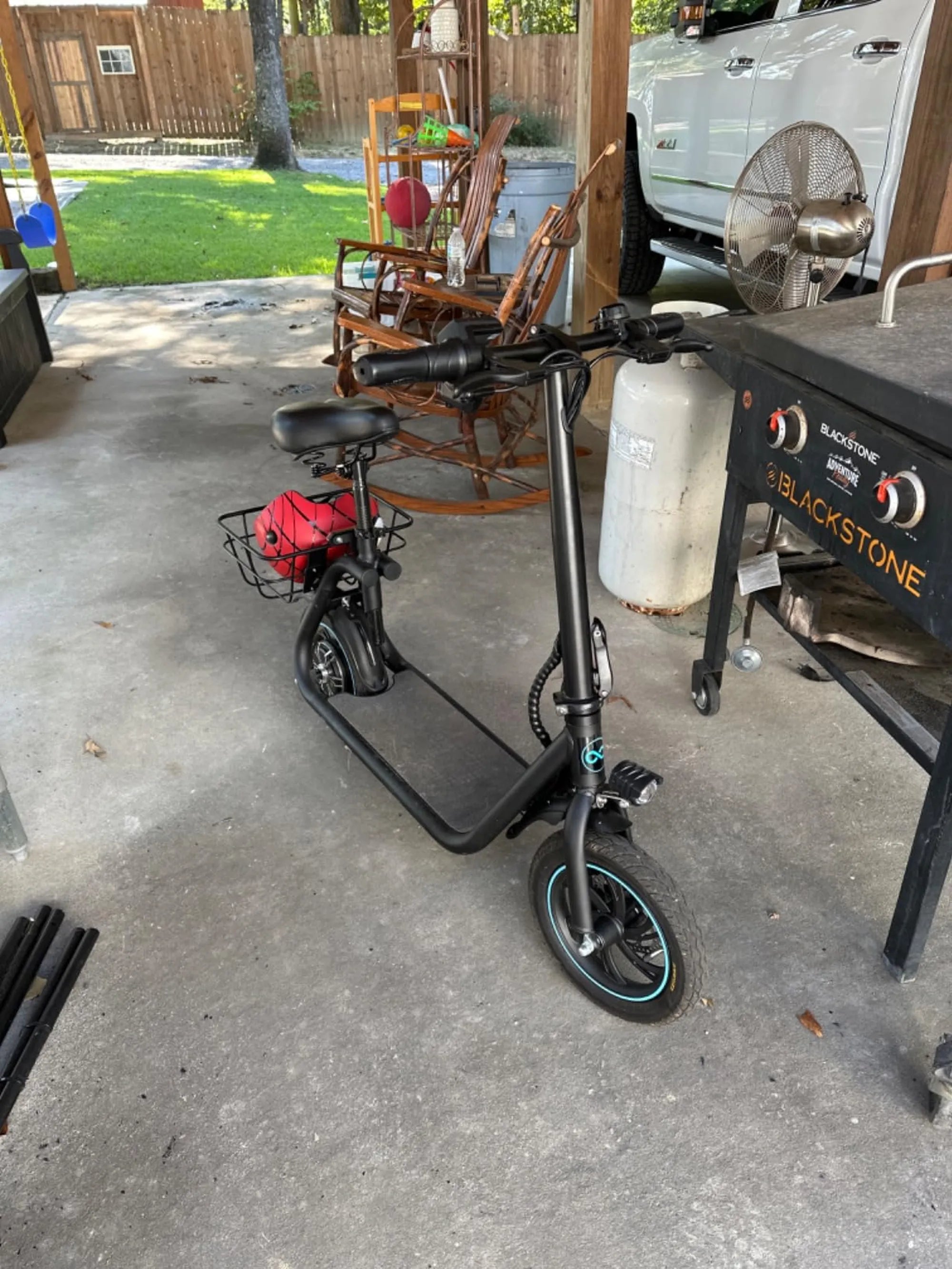
Electric scooters have revolutionized urban mobility, offering a convenient, eco-friendly, and cost-effective way to navigate crowded cities. At the heart of every e scooter lies its body—the structural framework that determines its durability, performance, and aesthetics. Whether you're a daily commuter or a weekend rider, understanding the e scooter body is crucial for making an informed purchase and ensuring long-term satisfaction. Let's dive into the world of e scooter bodies and uncover what makes them tick.
The Anatomy of an E Scooter Body
The e scooter body is more than just a shell; it's a carefully engineered structure designed to balance weight, strength, and functionality. Key components include:
- Deck: The platform where riders stand, often made from reinforced materials to withstand daily wear and tear.
- Frame: The backbone of the scooter, typically constructed from aluminum or steel for optimal strength-to-weight ratio.
- Handlebars: Connected to the frame, these provide control and stability, often foldable for portability.
- Battery Compartment: Integrated into the body to protect the battery from impacts and weather.
Materials Used in E Scooter Bodies
The choice of materials significantly impacts the scooter's durability, weight, and ride quality. Common materials include:
- Aluminum: Lightweight and corrosion-resistant, ideal for urban commuters.
- Steel: Heavier but more durable, often used in high-performance models.
- Carbon Fiber: Premium option offering exceptional strength and lightness, but at a higher cost.
- Plastic: Used for non-structural parts like fenders and covers, providing flexibility and cost savings.
Design Features That Enhance Durability
A well-designed e scooter body incorporates features to withstand daily use:
- Reinforced Joints: Critical stress points are reinforced to prevent cracks and breaks.
- Water Resistance: Sealed compartments and coatings protect electronics from rain and splashes.
- Shock Absorption: Some models include suspension systems or padded decks for a smoother ride.
Maintenance Tips for Your E Scooter Body
To keep your e scooter in top condition, follow these maintenance tips:
- Regular Cleaning: Wipe down the body to remove dirt and debris that could cause wear.
- Inspect for Damage: Check for cracks, loose bolts, or signs of corrosion, especially after rough rides.
- Protective Accessories: Use silicone covers or grip tape to shield high-wear areas like the deck.
Choosing the Right E Scooter Body for Your Needs
When selecting an e scooter, consider these factors:
- Weight Capacity: Ensure the body can support your weight plus any cargo.
- Portability: Foldable designs are great for commuters who need to carry their scooter.
- Terrain: Opt for robust bodies with suspension if you ride on uneven surfaces.
From sleek urban commuters to rugged off-road models, the e scooter body is the unsung hero of electric mobility. By understanding its design, materials, and maintenance needs, you can enjoy a smoother, safer, and longer-lasting ride. Ready to hit the streets with confidence? Your perfect e scooter awaits!
Scooters That Go 40 MPH: Speed, Safety, and What You Need to Know
E Scooter 750 Watt: The Ultimate Guide to Power and Performance