


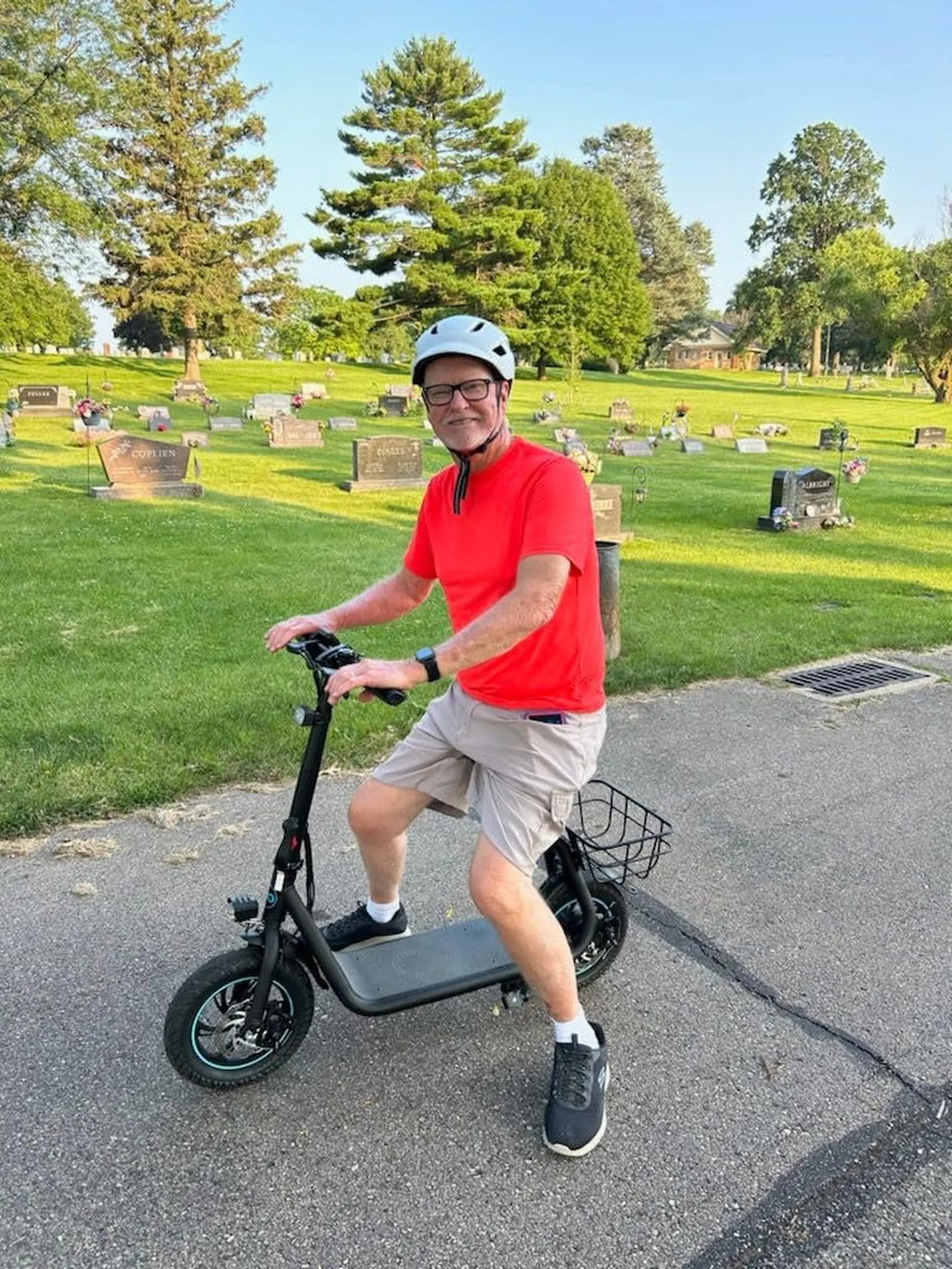
Electric scooters, or e-scooters, have surged in popularity as a convenient and eco-friendly mode of urban transportation. However, beneath their sleek design and ease of use lie several disadvantages that potential riders should consider. From safety risks to legal hurdles, e-scooters may not be the perfect solution they appear to be. Let’s dive into the hidden downsides of this trendy transport option.
Safety Concerns
One of the most significant e scooter disadvantages is the safety risk they pose. Unlike cars or bicycles, e-scooters offer minimal protection in case of accidents. Riders are exposed to the elements and vulnerable to collisions with vehicles, pedestrians, or obstacles. Studies have shown a rise in e-scooter-related injuries, including fractures, head trauma, and even fatalities. The lack of mandatory safety gear, such as helmets, exacerbates these risks.
Limited Range and Battery Life
Another drawback of e-scooters is their limited range. Most models can travel between 15 to 30 miles on a single charge, which may not suffice for longer commutes. Battery degradation over time further reduces this range, leaving riders stranded mid-journey. Charging infrastructure is also inconsistent, making it difficult to find reliable power sources in urban areas.
Regulatory Challenges
E-scooters operate in a legal gray area in many cities. Regulations vary widely, with some areas banning them outright while others impose strict rules on where they can be ridden. Confusing laws can lead to fines or confiscation, adding unnecessary stress for riders. The lack of standardized regulations also contributes to chaotic sidewalks and unsafe riding conditions.
Environmental Impact
While e-scooters are marketed as eco-friendly, their environmental benefits are often overstated. The production and disposal of lithium-ion batteries generate significant pollution. Additionally, the short lifespan of shared e-scooters—often just a few months—leads to excessive waste. The energy required to charge and maintain fleets of e-scooters further diminishes their green credentials.
High Maintenance Costs
Owning an e-scooter isn’t as cost-effective as it seems. Repairs for damaged tires, brakes, or electronics can be expensive, and finding qualified technicians is challenging. Shared e-scooters face even higher maintenance costs due to vandalism and wear-and-tear, which are often passed on to consumers through increased rental fees.
Inconvenience for Pedestrians
E-scooters clutter sidewalks and public spaces, creating hazards for pedestrians. Abandoned scooters block pathways, especially in crowded urban areas, forcing pedestrians to navigate around them. This has led to growing frustration among city dwellers and calls for stricter parking regulations.
Weather Dependence
E-scooters are highly weather-dependent. Rain, snow, or even strong winds can make riding unsafe or impractical. Unlike cars or public transit, e-scooters offer no protection from the elements, limiting their usability in adverse conditions.
Theft and Vandalism
E-scooters are easy targets for theft and vandalism. Their lightweight design makes them simple to steal, and the lack of secure parking options exacerbates the problem. Many riders have reported stolen scooters or damaged components, adding to the overall cost and hassle of ownership.
Noise Pollution
While quieter than gas-powered vehicles, e-scooters still contribute to noise pollution, especially in shared fleets. The constant hum of motors and the clatter of scooters being moved or dropped can disturb residents in densely populated areas.
Limited Accessibility
E-scooters are not accessible to everyone. They require a degree of physical fitness and balance, excluding elderly or disabled individuals. The lack of seating and storage options also makes them impractical for those carrying heavy loads or traveling with children.
E-scooters may seem like a futuristic solution to urban mobility, but their disadvantages are hard to ignore. From safety risks to environmental concerns, these trendy vehicles come with significant downsides. Before hopping on an e-scooter, weigh the pros and cons carefully—your safety and wallet may thank you.
Are Electric Scooters Legal in Wisconsin? A Complete Guide to State Laws
Are Electric Scooters Legal in Wisconsin? A Complete Guide to State Laws