



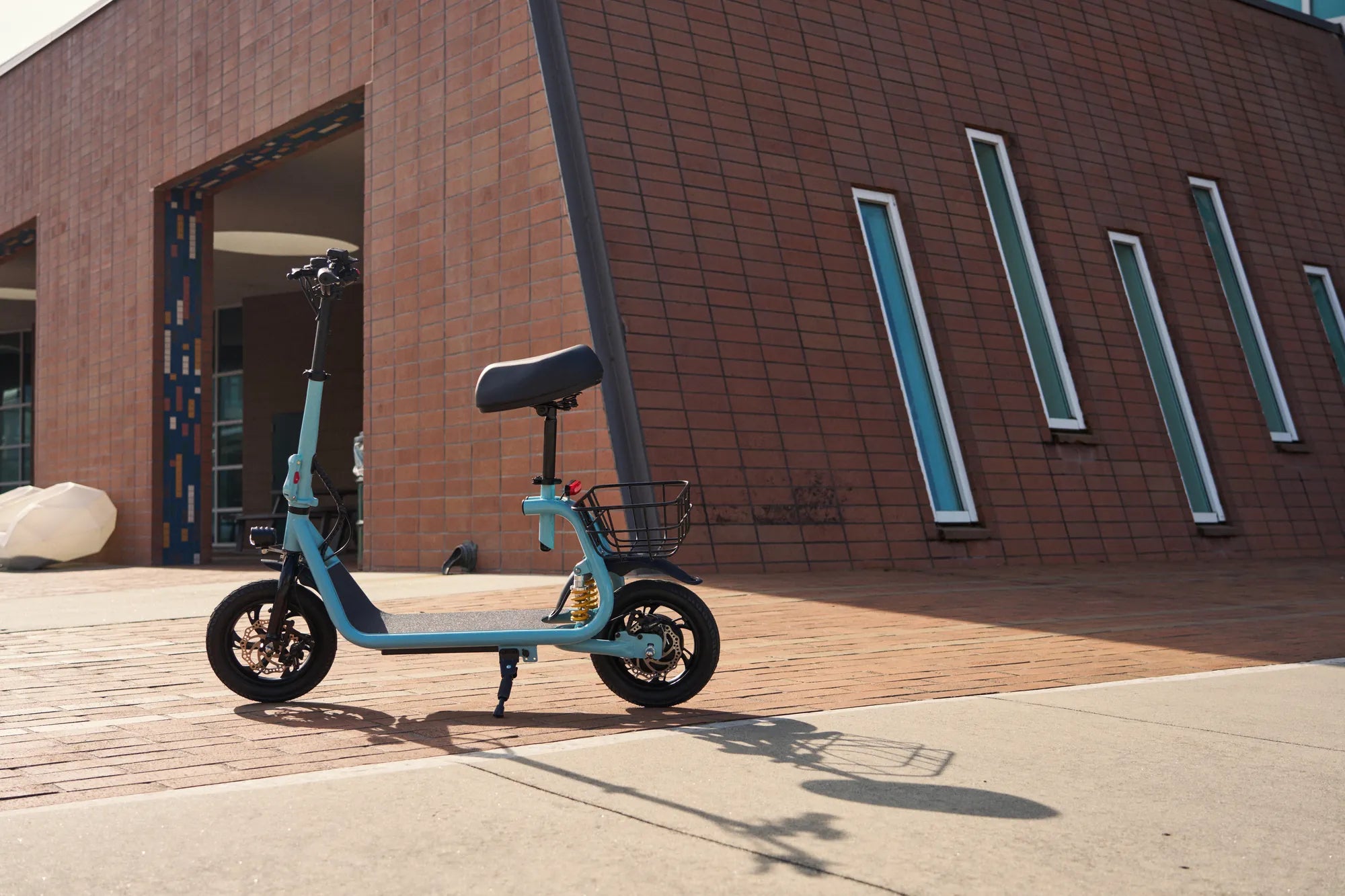
Electric scooters have become a ubiquitous sight in cities worldwide, offering a convenient and eco-friendly alternative to traditional transportation. However, their presence on sidewalks has sparked heated debates among pedestrians, city planners, and riders alike. Are e-scooters a menace to sidewalk safety, or are they a necessary evolution in urban mobility? Let’s dive into the complexities of this issue.
The Rise of E-Scooters in Urban Landscapes
E-scooters have exploded in popularity over the past decade, thanks to their affordability, portability, and ease of use. They provide a last-mile solution for commuters, reducing reliance on cars and public transport. However, their rapid adoption has outpaced the development of clear regulations, leading to conflicts over where they should be ridden—especially on sidewalks.
Safety Concerns: Pedestrians vs. Riders
One of the biggest criticisms of e-scooters on sidewalks is the safety risk they pose to pedestrians. With speeds often exceeding 15 mph, scooters can easily collide with walkers, particularly in crowded areas. Children, the elderly, and people with disabilities are especially vulnerable. On the other hand, riders argue that streets can be equally dangerous, with cars and buses posing significant risks to their safety.
Legal Landscape: Where Are E-Scooters Allowed?
Laws regarding e-scooter use on sidewalks vary widely by city and country. Some municipalities ban sidewalk riding entirely, while others permit it with speed restrictions. Enforcement remains inconsistent, leaving many riders unsure of where they can legally operate. This patchwork of regulations highlights the need for standardized rules to ensure safety for all road users.
Infrastructure Solutions: Dedicated Lanes and Shared Spaces
To address the sidewalk dilemma, some cities have invested in dedicated bike and scooter lanes. These lanes provide a safer alternative for riders while keeping pedestrians protected. Shared mobility zones, where scooters and walkers coexist at reduced speeds, are another emerging solution. However, infrastructure changes require time and funding, leaving many areas struggling to adapt.
The Future of E-Scooters in Cities
As urban populations grow, the demand for efficient, sustainable transportation will only increase. E-scooters are here to stay, but their integration into city life must be carefully managed. Balancing the needs of riders, pedestrians, and other road users will be key to creating harmonious urban environments.
Whether you love them or hate them, e-scooters on sidewalks are a topic that won’t disappear anytime soon. The conversation around their use is just beginning—and the decisions made today will shape the cities of tomorrow.
E Scooter 50mph: The Ultimate Guide to High-Speed Electric Scooters
E Scooter Off Road: The Ultimate Guide to Adventure and Performance