



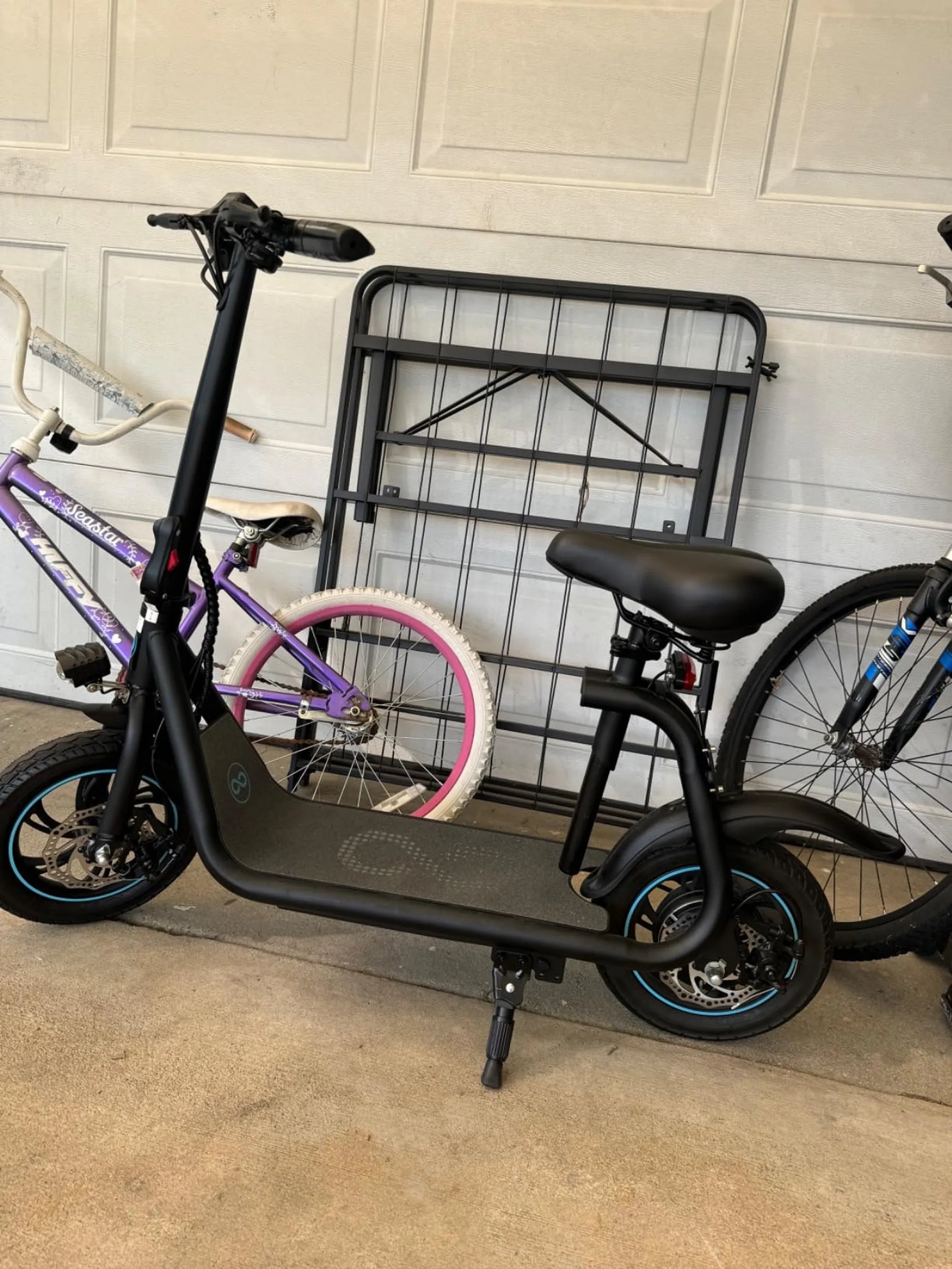
Imagine gliding through the city on your e-scooter, effortlessly navigating traffic while your ride communicates with you and the world around you. This isn't science fiction—it's the reality of e-scooter voice technology, a game-changer in urban mobility. As cities become smarter and more connected, the integration of voice-enabled features in e-scooters is paving the way for safer, more efficient, and interactive transportation. Whether you're a daily commuter or a weekend explorer, the rise of e-scooter voice systems promises to redefine your riding experience.
The Rise of E-Scooter Voice Technology
E-scooter voice technology is no longer a futuristic concept; it's here, and it's transforming how riders interact with their vehicles and surroundings. By integrating voice recognition and response systems, e-scooters can now provide real-time feedback, navigation assistance, and even safety alerts. This innovation is particularly valuable in crowded urban environments where distractions are plentiful, and split-second decisions matter.
How E-Scooter Voice Enhances Safety
Safety is a top priority for e-scooter riders, and voice technology is stepping up to address common concerns. Imagine your e-scooter warning you about an upcoming pothole or alerting you to a pedestrian crossing your path. Voice-enabled systems can deliver these warnings audibly, allowing riders to keep their eyes on the road. Additionally, voice commands can replace manual inputs, reducing the need to fiddle with buttons or screens while riding.
The Role of AI in E-Scooter Voice Systems
Artificial intelligence (AI) is the backbone of modern e-scooter voice technology. Advanced AI algorithms enable these systems to understand and respond to natural language, making interactions seamless and intuitive. From adjusting speed settings to finding the nearest charging station, AI-powered voice assistants are making e-scooters smarter and more user-friendly.
E-Scooter Voice and Urban Infrastructure
The integration of e-scooter voice technology with urban infrastructure is another exciting development. Smart cities are beginning to equip traffic lights, bike lanes, and other elements with communication capabilities. E-scooters with voice systems can receive and relay information about traffic conditions, construction zones, and more, creating a harmonious flow between riders and their environment.
The Environmental Impact of Voice-Enabled E-Scooters
Beyond convenience and safety, e-scooter voice technology also contributes to sustainability. By optimizing routes and reducing idle time, voice-assisted navigation can help minimize energy consumption. This aligns with the broader goal of reducing carbon footprints and promoting eco-friendly transportation options.
Challenges and Future Prospects
While e-scooter voice technology holds immense promise, it's not without challenges. Privacy concerns, noise pollution, and the need for robust infrastructure are just a few hurdles to overcome. However, as technology advances and cities adapt, the potential for voice-enabled e-scooters to become a staple of urban mobility is undeniable.
The next time you hop on an e-scooter, listen closely—it might just have something to say. With e-scooter voice technology, the future of urban transportation is not only smart but also conversational, safer, and more connected than ever before.
E Scooter Bis 200€: The Ultimate Budget-Friendly Commuter Solution
E Scooter Bis 200€: The Ultimate Budget-Friendly Commuter Solution