



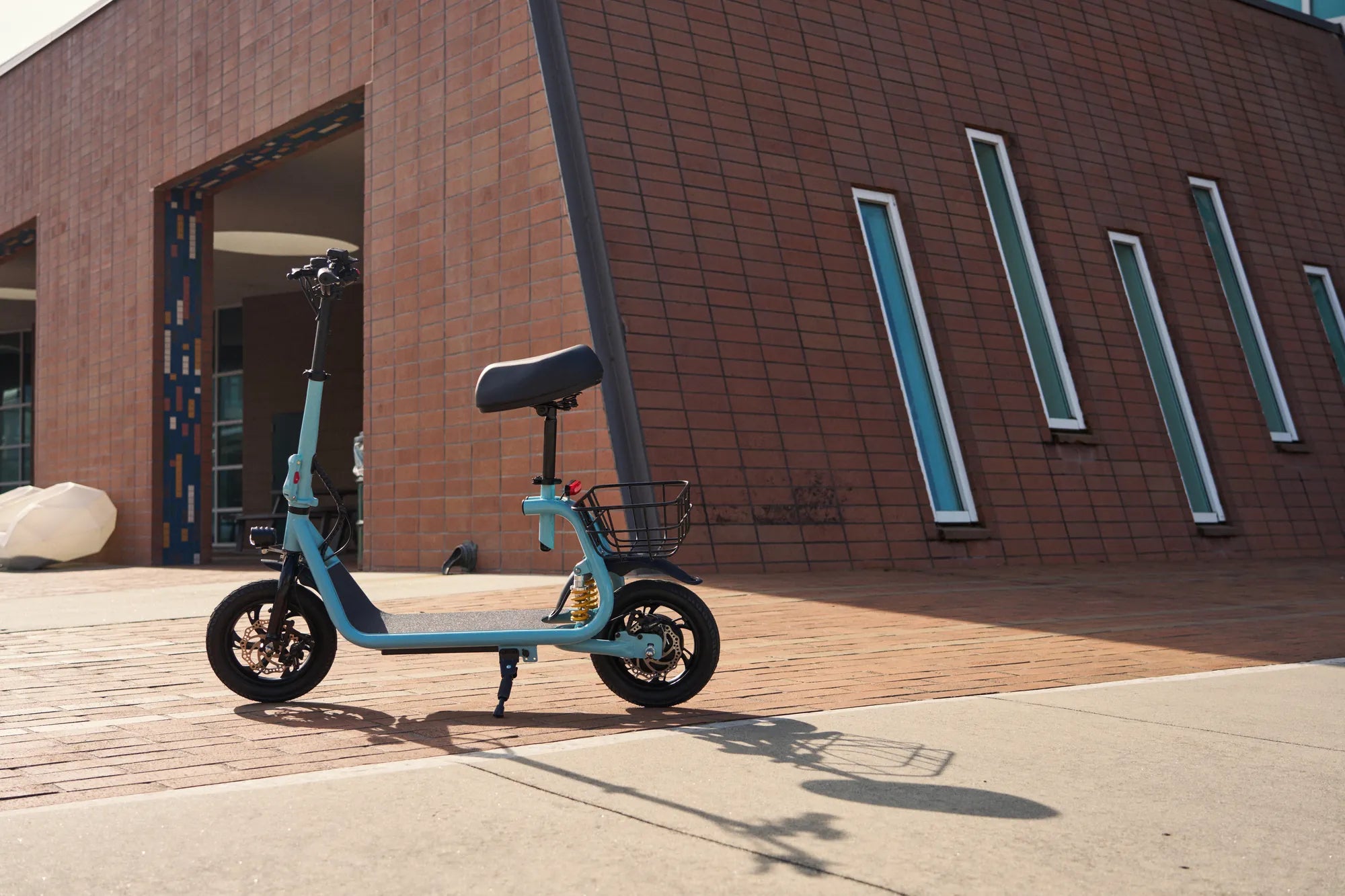
Are you ready to dive into the world of e-trikes and uncover what makes them tick? Whether you're a potential buyer, a curious enthusiast, or just someone looking for a greener way to commute, understanding how e-trikes perform under test conditions is crucial. This guide will walk you through every aspect of e-trike testing, from speed and battery life to safety and durability, ensuring you make an informed decision.
Why E-Trike Testing Matters
E-trikes are revolutionizing urban mobility, offering an eco-friendly alternative to traditional vehicles. But before you hop on one, it's essential to know how they perform in real-world conditions. Testing an e-trike involves evaluating its speed, range, battery efficiency, and overall durability. These tests ensure that the vehicle meets safety standards and delivers on its promises.
Key Performance Metrics to Consider
When conducting an e-trike test, several performance metrics come into play. Here are the most critical ones:
- Speed: How fast can the e-trike go, and does it maintain consistent performance?
- Range: How far can it travel on a single charge?
- Battery Life: How long does the battery last, and how quickly does it recharge?
- Load Capacity: Can it handle the weight of passengers or cargo?
- Terrain Adaptability: How well does it perform on hills, rough roads, or smooth pavements?
Safety Checks You Can't Ignore
Safety is paramount when it comes to e-trikes. A thorough e-trike test should include:
- Braking System: Are the brakes responsive and reliable?
- Stability: Does the e-trike remain steady, even at higher speeds?
- Lighting and Signals: Are the headlights, taillights, and turn signals functional?
- Frame Integrity: Is the frame sturdy enough to withstand daily use?
Durability and Longevity
An e-trike is an investment, and you want it to last. Durability testing involves subjecting the vehicle to various conditions to see how it holds up over time. Look for:
- Weather Resistance: Can it handle rain, snow, or extreme heat?
- Component Wear: How quickly do parts like tires, chains, or brakes wear out?
- Build Quality: Are the materials used durable and resistant to corrosion?
Real-World Testing Scenarios
Lab tests are great, but real-world conditions are where the rubber meets the road. An effective e-trike test should include:
- Urban Commuting: How does it perform in stop-and-go traffic?
- Long-Distance Travel: Can it handle extended trips without frequent recharging?
- Off-Road Adventures: Is it capable of tackling uneven terrain?
How to Conduct Your Own E-Trike Test
If you're considering purchasing an e-trike, you can perform a basic test yourself. Here's how:
- Test Ride: Take the e-trike for a spin to gauge its comfort and handling.
- Check Battery Performance: Monitor how quickly the battery drains under different conditions.
- Inspect Build Quality: Look for any signs of poor craftsmanship or weak spots.
- Evaluate Safety Features: Ensure all safety mechanisms are in place and functional.
The Future of E-Trike Testing
As technology advances, so do the methods for testing e-trikes. Future tests may include:
- AI-Powered Diagnostics: Using artificial intelligence to predict maintenance needs.
- Enhanced Safety Protocols: Incorporating advanced sensors for collision avoidance.
- Green Certification: Ensuring e-trikes meet stringent environmental standards.
Ready to take the plunge and experience the thrill of an e-trike for yourself? With the insights from this guide, you're now equipped to make an informed choice and enjoy the ride with confidence. Happy testing!
Mountain Biking in Majorca: A Thrilling Adventure Awaits
Mountain Biking in Majorca: A Thrilling Adventure Awaits