

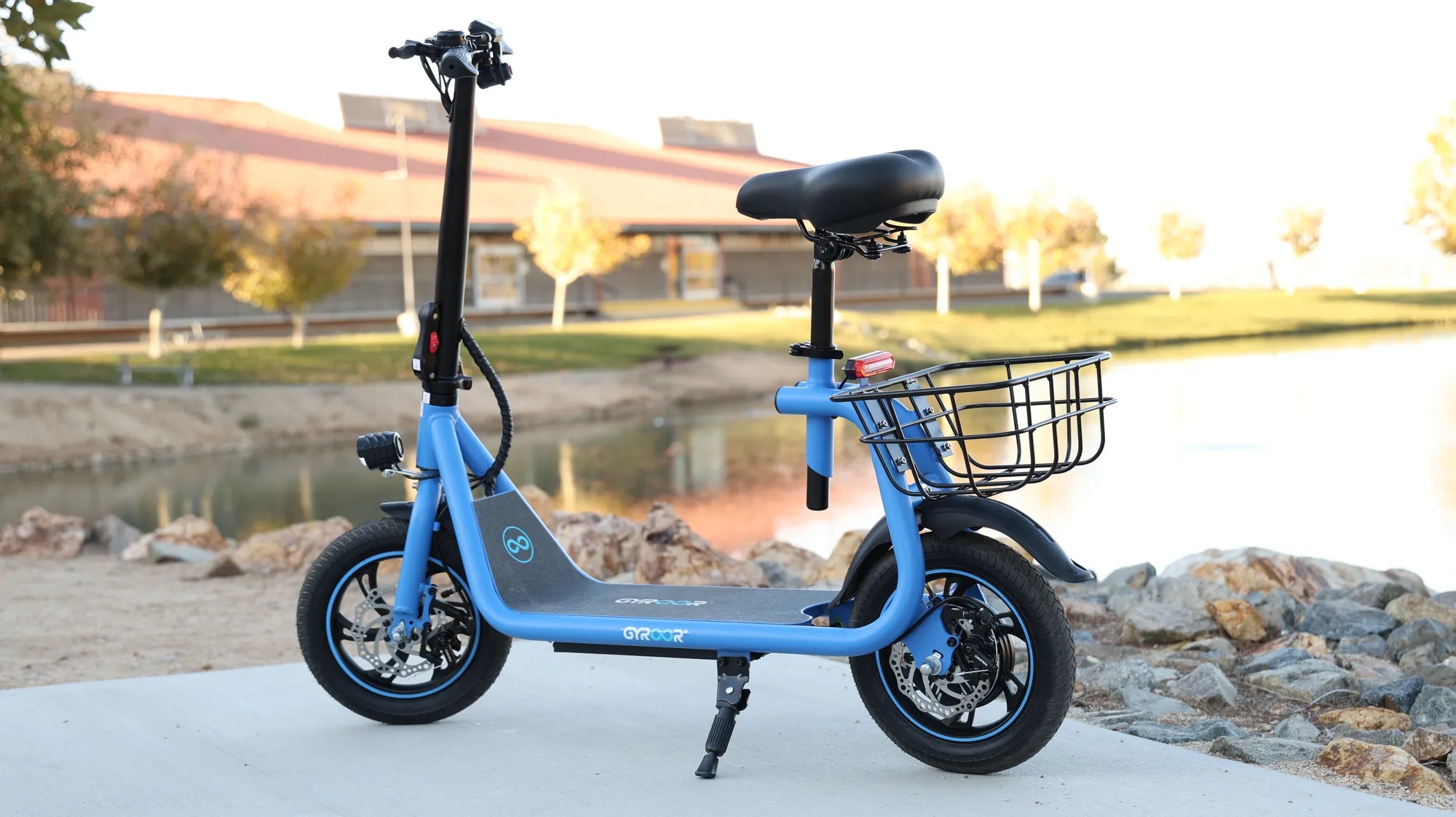
Electric bikes have revolutionized personal transportation, offering an eco-friendly and efficient way to commute. At the heart of every ebike lies its battery, and the ebike battery connector plays a crucial role in ensuring seamless power delivery. Whether you're a seasoned rider or new to the world of electric bikes, understanding the significance of these connectors can enhance your riding experience and prolong the life of your battery.
Why Ebike Battery Connectors Matter
The ebike battery connector is the bridge between your battery and the motor, ensuring that power flows smoothly and efficiently. A high-quality connector minimizes energy loss, reduces heat buildup, and prevents electrical failures. Poorly designed or worn-out connectors can lead to voltage drops, intermittent power supply, and even safety hazards like short circuits or fires.
Types of Ebike Battery Connectors
There are several types of connectors used in ebikes, each with its own advantages and applications:
- Bullet Connectors: Simple and widely used, these connectors are easy to install but may lack durability over time.
- XT Connectors: Known for their robust design and high current capacity, these are ideal for high-performance ebikes.
- Anderson Connectors: These are durable and weather-resistant, making them suitable for off-road or all-weather riding.
- Deans Connectors: Compact and lightweight, these are often used in smaller ebike systems.
How to Choose the Right Ebike Battery Connector
Selecting the right connector depends on several factors:
- Current Rating: Ensure the connector can handle the maximum current your ebike requires.
- Durability: Look for connectors made from high-quality materials that resist wear and corrosion.
- Weather Resistance: If you ride in wet or dusty conditions, opt for connectors with waterproof or sealed designs.
- Ease of Use: Some connectors are easier to disconnect and reconnect, which can be handy for maintenance.
Maintenance Tips for Ebike Battery Connectors
To keep your ebike battery connector in top condition, follow these maintenance tips:
- Regularly inspect connectors for signs of wear, corrosion, or loose connections.
- Clean connectors with a soft brush or compressed air to remove dirt and debris.
- Apply dielectric grease to prevent oxidation and ensure a secure connection.
- Avoid pulling on the wires when disconnecting; always grip the connector itself.
Common Issues and Troubleshooting
Even with proper care, issues can arise. Here are some common problems and how to address them:
- Intermittent Power: This often indicates a loose or corroded connection. Check and clean the connectors.
- Overheating: If the connector gets too hot, it may be undersized for the current load. Upgrade to a higher-rated connector.
- Sparkling When Connecting: This can happen due to a sudden surge. Consider using connectors with built-in spark prevention.
The Future of Ebike Battery Connectors
As ebike technology advances, so do the connectors. Innovations like smart connectors with built-in sensors for monitoring temperature and current are on the horizon. These advancements will further improve safety, efficiency, and user convenience.
Your ebike's performance and safety depend heavily on the ebike battery connector. By choosing the right type, maintaining it properly, and staying informed about new developments, you can enjoy a smoother, safer, and more reliable ride. Don't overlook this small but critical component—it could make all the difference in your ebike experience.
E Bike 25 MPH: The Ultimate Guide to Speed, Safety, and Performance
E Bike 25 MPH: The Ultimate Guide to Speed, Safety, and Performance