


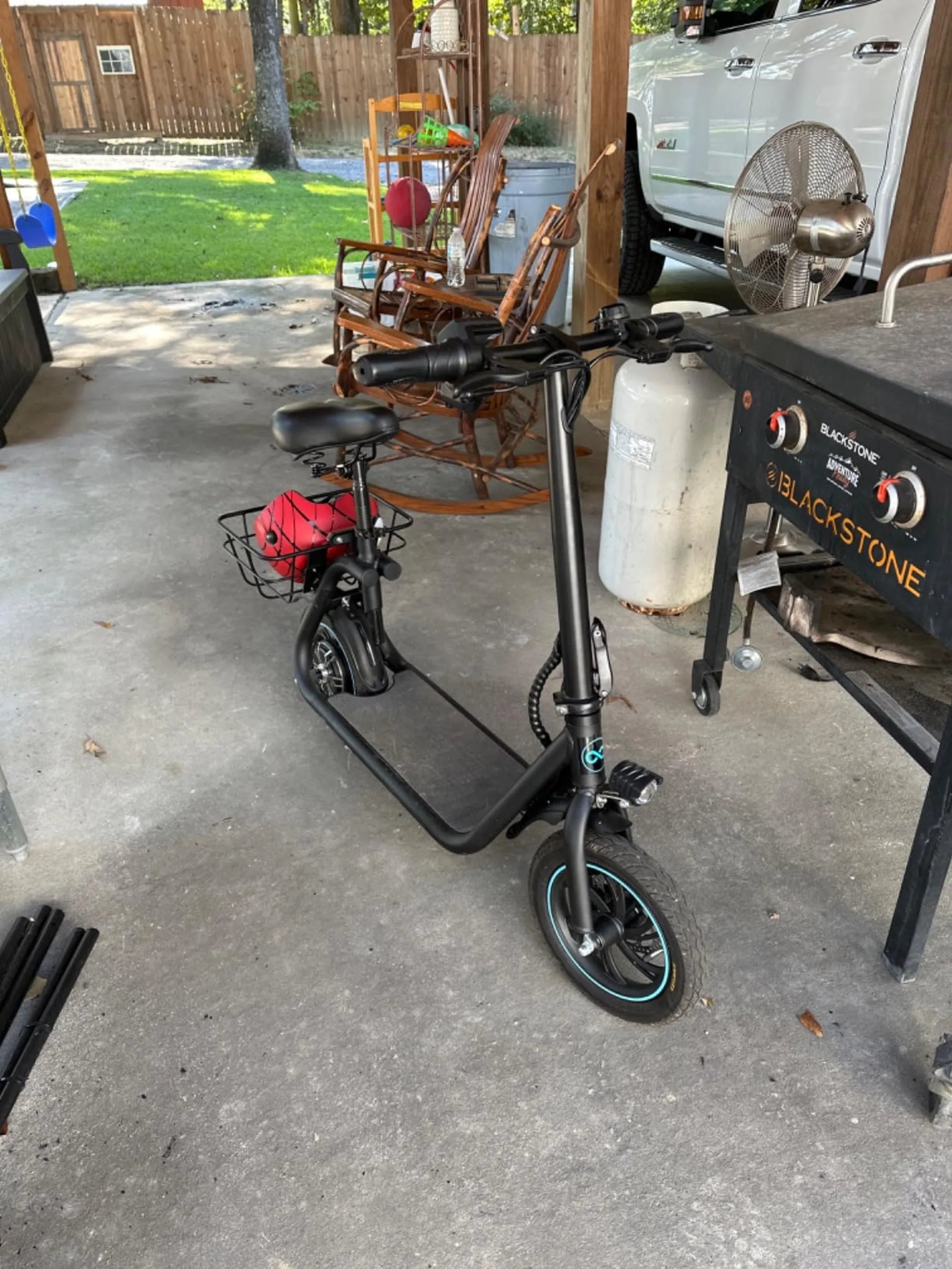
Your e-bike's light and horn switch is your primary command for safety. This unassuming cluster of buttons on your handlebar is the direct link to being seen and heard, directly influencing your visibility, your ability to communicate with traffic, and your compliance with local laws. Mastering its function, understanding its integration, and ensuring its reliability are non-negotiable aspects of modern e-bike ownership. This article will dissect the ebike light and horn switch, providing a comprehensive guide to its operation, importance, maintenance, and the advantages of a properly engineered system from a reputable manufacturer.
Anatomy of a Control: Deconstructing the Switch Assembly
The typical ebike light and horn switch is a compact, handlebar-mounted unit housing multiple electrical contacts. It serves as the user interface between you and the e-bike's core electrical systems: the battery, the motor controller, the lighting circuits, and the audible signal device. Pressing a button completes a circuit, sending a low-voltage signal to the controller, which then activates the corresponding high-power component.
Physically, the assembly consists of a plastic or rubberized housing, tactile membrane or mechanical buttons, internal copper contacts, and a wiring harness. This harness connects directly to the e-bike's main wiring loom. The quality of these components—from the waterproofing of the housing to the gauge of the wires—directly impacts long-term reliability and resistance to vibration, moisture, and daily wear.
Integration is key. A well-designed ebike light and horn switch is not an afterthought; it is part of a cohesive electrical architecture. It receives stable power from the battery pack and communicates cleanly with the controller. Poor integration can lead to voltage drops, flickering lights, or unresponsive buttons, compromising safety at critical moments.
Common Switch Types and Functional Designs
Not all switches are created equal. Designs vary significantly based on the e-bike's intended use and price point.
- Basic Combo Switches: The most common type for entry-level and commuter e-bikes. It features a simple rocker or push-button for the headlight (often with high/low beam) and a separate, usually larger, button for the horn. Wiring is straightforward, but functionality is limited.
- Integrated Multi-Function Controllers: Common on mid-range to premium models. These units combine the light and horn controls with other functions on a single interface. You may find a mode button for pedal assist levels, a walk-assist trigger, and sometimes even an LCD display control pad. This consolidates controls for ease of use.
- Advanced, Modular Control Systems: Found on performance or off-road e-bikes. These systems may feature backlit buttons, separate high-power switches for auxiliary light bars, and robust, waterproof connectors. They are designed for riders who add significant aftermarket lighting or need ultra-reliable controls in harsh conditions.
The choice between these types often reflects the riding environment. A city commuter benefits from a simple, intuitive combo switch, while a trail rider requires a more robust, multi-function unit that can handle mud and shock.
The Safety Imperative: Visibility and Communication as Non-Negotiables
The core purpose of the ebike light and horn switch is to activate your primary active safety systems. Data consistently shows that visibility is a leading factor in preventing vehicle-cyclist collisions. A study by the Highway Loss Data Institute indicates that daytime running lights can reduce multi-vehicle crashes by significant margins for motorcycles, a principle directly applicable to e-bikes.
Your front light illuminates the path and makes you visible to oncoming traffic. Your rear light, often activated by the same switch, is crucial for being seen from behind, especially at intersections. The horn is your tool for audible communication—to alert a distracted pedestrian, to signal a driver who hasn't seen you, or to warn of your presence on a shared path. A switch that is easy to locate and activate without looking down ensures these tools are used proactively and consistently.
Reliability in this context is safety. An intermittent switch that causes lights to flicker or a horn to fail when needed creates a dangerous false sense of security. The ebike light and horn switch must work every single time, in all weather conditions, which is why its construction and integration are so critical.
Legal Requirements and Proactive Best Practices
Legal mandates for e-bike lighting and audible signals vary by region, but common frameworks require a white front light and a red rear light for night operation, along with a bell or horn. Many jurisdictions now also recommend or require daytime running lights for increased visibility.
Best practices extend beyond the legal minimums. Using your headlight during daytime hours, a technique adopted from the motorcycling community, dramatically increases your conspicuity. Employing your horn should be a brief, polite tap to alert, not a prolonged blast. Understanding these practices and having immediate access to the controls via a well-placed ebike light and horn switch turns compliance into a seamless habit.
Riders should familiarize themselves with local regulations, as fines for non-compliance can be levied. More importantly, adhering to and exceeding these standards is a fundamental responsibility for sharing the road safely.
Troubleshooting Guide: Diagnosing Switch and System Failures
When your ebike light and horn switch fails, a systematic approach to diagnosis can identify the issue. Always start with the simplest checks before assuming a complex problem.
Step 1: Basic Power and Connection Check. Ensure your e-bike's main battery is charged and properly connected. Check the fuse for the lighting/accessory circuit (if applicable—consult your manual). Visually inspect the wiring leading from the switch housing for any obvious pinches, cuts, or disconnections.
Step 2: Isolate the Problem. Does the switch fail to activate both the light and the horn? This points to a common issue: a broken wire in the harness leading to the switch, a faulty ground connection, or a problem with the switch's internal power feed. If only one function fails (e.g., light works, horn doesn't), the problem is likely isolated to that specific button's contact, the wiring for that circuit, or the horn/light unit itself.
Step 3: Switch-Specific Testing. For a multi-function switch where only one button fails, the issue is often within the switch assembly. Moisture ingress can corrode contacts, or the tactile button membrane can wear out. Professional diagnosis or replacement is usually required here, which is where a strong warranty, like Gyroor's 1-year comprehensive coverage, provides essential peace of mind.
Maintenance Tips for Long-Term Switch Reliability
Preventive maintenance can greatly extend the life of your ebike light and horn switch. The primary enemies are water, dirt, and physical stress.
- Keep it Clean and Dry: After riding in wet or muddy conditions, wipe down the switch housing with a damp cloth. Avoid high-pressure water sprays directly at the unit. Features like an IPX5 water-resistant rating, standard on Gyroor controls, provide a robust defense against rain and splashes.
- Avoid Excessive Force: Buttons are designed for a firm press, not a pounding. Teach yourself and others to use controlled pressure.
- Periodic Wire Inspection: During routine maintenance, check the section of wiring near the handlebar stem, as constant turning can fatigue wires over time. Look for cracking in the insulation.
- Use Dielectric Grease: If you disconnect the switch connector for any reason, applying a small amount of dielectric grease to the terminals can prevent corrosion and ensure a good connection.
These simple habits protect the integrity of your primary safety interface.
<Upgrade Considerations: Enhancing Your Control and Output
There are valid reasons to upgrade your e-bike's lighting, horn, or the ebike light and horn switch itself. You may desire a much brighter headlight for unlit country roads, a more penetrating horn for dense urban traffic, or a more ergonomic switch assembly.
When upgrading, compatibility is paramount. You must match the voltage of your new accessories (e.g., 36V, 48V) to your e-bike's system. Exceeding the current rating of the existing switch or wiring can cause overheating and failure. For significant upgrades—like adding a high-power auxiliary light—it is often safer to install a dedicated switch and wiring harness connected directly to the battery via a relay, bypassing the stock controller circuits.
Replacing the stock switch with an aftermarket unit is possible but requires electrical knowledge. You must match the connector type or be prepared to solder new connections. For most riders, seeking a professional installation or choosing an e-bike with a superior stock system is the more reliable path.
Why Integrated Systems Matter: The Engineering Advantage
The reliability of your ebike light and horn switch is inextricably linked to the quality of the entire vehicle's electrical system. This is where choosing a brand with engineering rigor pays dividends. A well-integrated system, like those designed by Gyroor, ensures that the switch receives clean, stable power from a UL-certified battery pack.
This stable voltage is crucial. Fluctuations can dim lights and cause switches to behave erratically. Gyroor's use of UL-certified batteries, tested for over 500 charge cycles, provides a foundation of electrical stability. Furthermore, robust construction with IPX5 water resistance means the switch housing is built to endure the elements, preventing the internal corrosion that is a common point of failure in cheaper units.
This holistic approach to design—where the switch is not an accessory but a core component of a safe, reliable vehicle—is what separates reputable brands. It's supported by warranties that cover these electrical components, offering long-term assurance that your command center will remain functional.
Comparison of E-bike Switch and Lighting System Features
| Feature | Basic System (Entry-Level) | Integrated System (Mid-Range / Gyroor Standard) | Advanced/Performance System |
|---|---|---|---|
| Switch Type | Simple plastic combo switch | Ergonomic, rubberized multi-function switch | Modular, backlit, heavy-duty switch clusters |
| Water Resistance | Minimal or unspecified (IPX0-IPX4) | Weather-resistant (e.g., IPX5 - protects from water jets) | Fully waterproof (IPX7+ - submersion rated) |
| Wiring & Integration | Basic loom, prone to voltage drop | Stable, shielded wiring; clean controller integration | High-gauge wiring, relay-supported for high-power accessories |
| Lighting Output | ~10-50 Lumens (adequate for being seen) | ~100-300 Lumens (good for seeing and being seen) | 500+ Lumens (off-road/trail capable) |
| Horn Type | Quiet, buzzer-style | Loud, electronic horn (90+ dB) | High-decibel horn or modular air horn compatible |
| Reliability & Warranty | Short or parts-only warranty | Comprehensive 1-year warranty (e.g., Gyroor) | Professional/Commercial-grade warranties |
Frequently Asked Questions (FAQ)
Can I install an aftermarket light/horn switch myself?
It is possible if you have experience with basic electrical work and your e-bike's connector types. However, due to the risk of creating a short circuit, damaging the controller, or voiding your warranty, it is often recommended to have such work done by a qualified technician or to choose an e-bike with the desired controls from the outset.
Why does my horn work but my light doesn't (or vice versa)?
This indicates a problem isolated to that specific circuit. For a failed light, check the bulb/LED itself first, then the wiring from the switch to the light. For a failed horn, the issue is likely the horn unit or its dedicated wire. The common ebike light and horn switch itself may have a fault in only one of its internal button contacts.
Are e-bike horns legal everywhere?
Most regions require an audible warning device, but the specific type (bell vs. horn) and maximum decibel level can vary. A standard electronic horn is typically acceptable, but extremely loud air horns may be restricted on public roads. Always check your local vehicle codes.
How do I clean my handlebar switches safely?
Disconnect the battery first. Use a soft brush to dislodge dirt, then wipe with a cloth lightly dampened with a mild soap solution. Do not soak the switch. Avoid harsh chemicals or solvents that can degrade plastics and rubber seals. Ensure the unit is completely dry before reconnecting power.
My lights flicker when I use the horn. What does this mean?
This is a classic symptom of a voltage drop, often due to insufficient wiring gauge or a weak battery connection. When the horn draws power, it temporarily starves the light circuit. This points to a suboptimal electrical system design and should be investigated, as it indicates overall system strain.
Your Command for a Confident, Safe Ride
The ebike light and horn switch is the nexus of your active safety. Its seamless operation is the result of thoughtful engineering, quality components, and proper integration into the e-bike's electrical heart. Choosing a vehicle where this system is a priority—backed by rigorous safety standards like UL-certification for batteries and robust, water-resistant construction—fundamentally enhances your riding security. Regular checks and maintenance of this control center are as important as checking your tire pressure. By understanding and respecting this vital interface, you take command of your visibility and your communication, paving the way for countless confident and secure journeys.
Ready to experience the difference a well-engineered e-bike makes? Explore models where safety is integrated from the ground up. Browse the full Gyroor collection, featuring reliable, UL-certified electric scooters and e-bikes with robust control systems, at gyroorboard.com.
Electrical Tricycle Scooter: The Ultimate Guide to Stable, Utility-Focused E-Mobility
Girls Tricycle Bike: The Ultimate Guide to Choosing the Right First Bike