

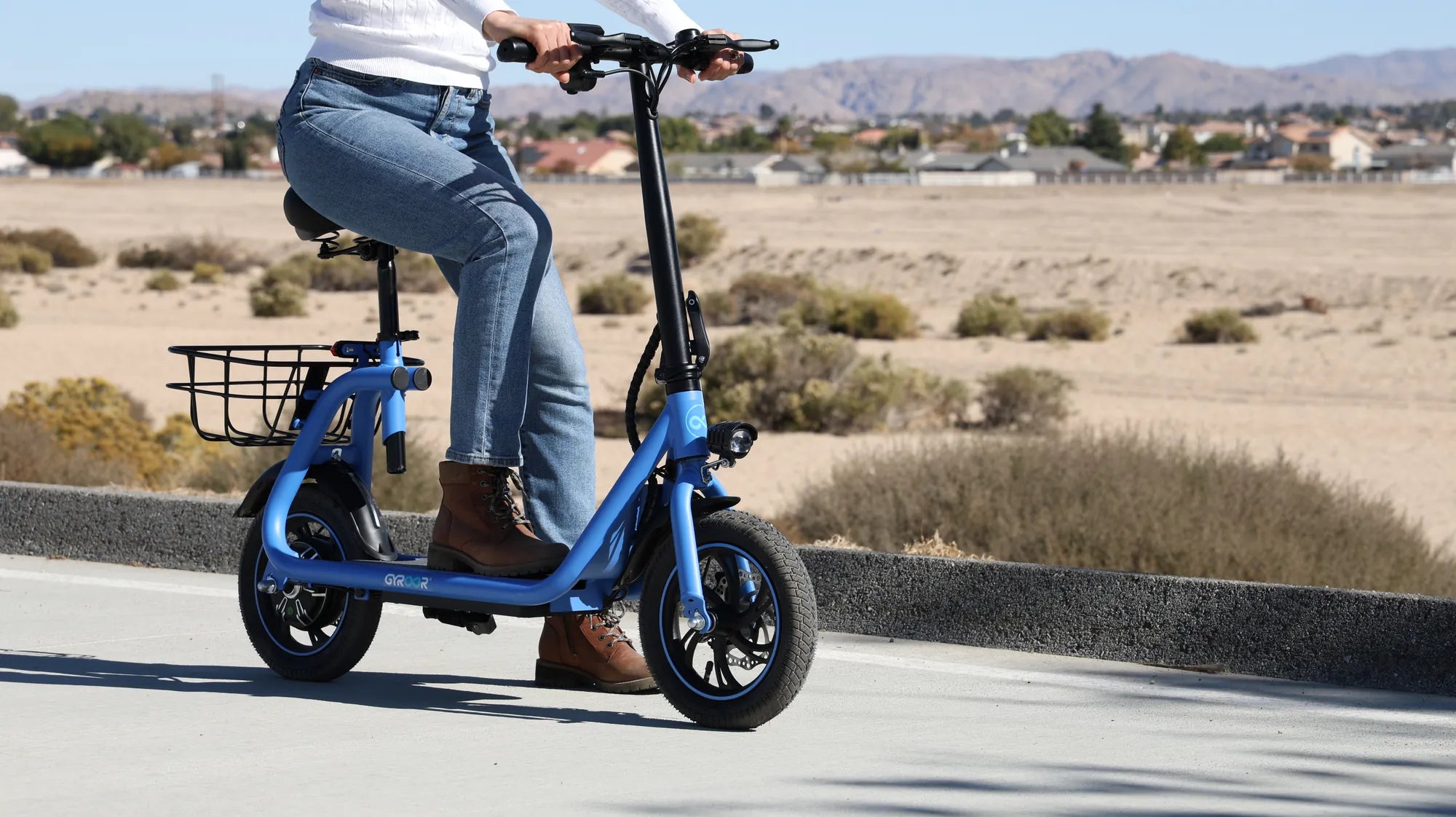
Introduction: Empowering Teens with Safe E-Bike Freedom
E-bikes are transforming how teenagers experience mobility, offering independence, fun, and an eco-friendly commute. This surge in popularity brings a critical responsibility: ensuring safety is the foundational principle of every ride. This guide provides a comprehensive, data-driven framework for teenagers and their parents, covering laws, equipment, skills, and maintenance. Our goal is to equip families with the knowledge for responsible enjoyment, turning the exciting world of electric mobility into a safe, lifelong habit. By prioritizing **ebike safety for teenagers**, we can mitigate risks and maximize the benefits of this transformative technology.
Understanding E-Bike Classifications and Legal Frameworks
Not all e-bikes are created equal, and laws differ significantly based on their classification. In North America, a three-class system is widely adopted, dictating where and how teenagers can legally ride. Understanding these categories is the first legal step toward ensuring **ebike safety for teenagers**.
Class 1 e-bikes provide pedal-assist only, with no throttle, and cease assistance at 20 mph. Class 2 e-bikes are equipped with a throttle that can propel the bike without pedaling, also capped at 20 mph. Class 3 e-bikes are pedal-assist only, like Class 1, but offer assistance up to 28 mph. These speed differences have major implications for where they are permitted, often restricting Class 3 e-bikes from bike paths and mandating helmet use.
Legal age restrictions vary dramatically by state and province. Some regions have no minimum age, while others set it at 14, 16, or even 18 for certain classes, particularly Class 3. Many jurisdictions require a helmet for all riders under 18, regardless of e-bike class. Licensing and registration requirements are rare for Class 1 and 2 but can apply to Class 3 in specific areas, making local law verification essential.
Parents must research their specific municipal and state laws before purchase. Riding an e-bike that doesn't comply with local class regulations or age laws can result in fines and, more importantly, expose the teen to unanticipated risks in environments not designed for that vehicle's speed profile. Legal compliance is the bedrock of operational safety.
Key Legal and Equipment Differences by Class
The table below summarizes the core distinctions that impact teen riding rules and safety considerations. This data is crucial for making an informed, legal purchase.
| E-Bike Class | Max Assisted Speed | Throttle? | Typical Age Restrictions | Common Riding Locations | Helmet Law (Under 18) |
|---|---|---|---|---|---|
| Class 1 | 20 mph | No | Often 14+ (varies) | Bike Lanes, Paths, Roads | Almost Always Mandatory |
| Class 2 | 20 mph | Yes | Often 14+ (varies) | Bike Lanes, Paths, Roads | Almost Always Mandatory |
| Class 3 | 28 mph | No | Often 16+ or 18+ | Roads, Sometimes Bike Lanes (No Paths) | Always Mandatory |
The Non-Negotiables: Essential Safety Gear and Pre-Ride Protocol
Proper safety gear is the most effective single layer of protection for a teenager on an e-bike. It must be non-negotiable for every ride, regardless of distance or destination. A certified bicycle helmet is the absolute minimum; for e-bikes, a multi-impact helmet with MIPS (Multi-directional Impact Protection System) technology is strongly recommended due to the higher potential speeds.
High-visibility clothing is critical, especially during dawn, dusk, or overcast days. A reflective vest, ankle bands, or a brightly colored jacket dramatically increase a rider's visibility to drivers. Gloves protect hands in a fall and improve grip, while shatter-resistant eyewear shields eyes from debris, wind, and insects, maintaining clear vision. Closed-toe, sturdy shoes are mandatory—flip-flops or slides are a severe hazard.
A consistent pre-ride checklist is as vital as the gear itself. Adopt a "T-CLOCS" routine adapted for e-bikes: Tires (pressure and tread), Controls (brake levers, throttle, shifters), Lights (front and rear, fully charged), Oil/Chain (lubrication and tension), Chassis (frame and fork for cracks), and finally, the battery and electrical System. This 60-second habit can prevent most mechanical failures.
The electrical system check is unique to e-bikes. Ensure the battery is securely mounted and charged, all connections are clean and dry, and the display/control unit is functioning. Test the brakes thoroughly before setting off, as e-bikes are heavier and require more stopping distance. This systematic approach ingrains responsibility and awareness in the teen rider from the very start.
Why a UL-Certified Battery is a Critical Safety Feature
The battery is the heart of an e-bike and its most significant potential safety hazard if substandard. UL (Underwriters Laboratories) certification is an independent, rigorous testing standard for battery packs. It evaluates the battery's ability to withstand electrical, mechanical, and environmental stress without entering thermal runaway—a dangerous condition that can lead to fire.
Brands like Gyroor prioritize this safety by using UL-certified battery packs tested for over 500 charge cycles. For parents, this certification is a paramount selection criterion. It indicates the manufacturer has invested in quality cells, robust battery management systems (BMS), and safe enclosure design. An uncertified, cheap battery is an unacceptable risk, especially for a teenage rider who may not recognize early warning signs of battery failure.
Mastering Defensive Riding in Complex Environments
Defensive riding is the practice of anticipating hazards and acting to avoid them, assuming that drivers do not see you. For teenagers, this mindset is crucial. The first rule is to be predictable: ride in a straight line, signal intentions clearly and early, and obey all traffic signs and signals. Never assume a driver will yield, even if you have the right of way.
Scan the environment constantly, looking 20-30 seconds ahead for potential dangers like parked cars (door zones), merging traffic, or debris on the road. At intersections, make eye contact with drivers when possible, and be wary of vehicles turning right across your path. The quiet nature of e-bikes means you are less audible, so visual assertiveness is key.
Manage your speed judiciously. The easy acceleration of an e-bike can lead to speeds inappropriate for the conditions, such as crowded multi-use paths, wet pavement, or residential areas with children and pets. Always ride at a speed that allows you to stop within your clear line of sight. Use lower pedal-assist levels in high-traffic or confined areas until you reach more open roads.
Positioning in the lane is another critical skill. On roads, "taking the lane" (riding near the center of the travel lane) is often safer than hugging the curb, as it increases visibility and prevents drivers from attempting to squeeze past unsafely. This is particularly important on narrow roads or when approaching intersections. Defensive riding turns reaction into proactive safety management.
Navigating Specific Hazard Scenarios
Certain scenarios require specific tactics. The "door zone" alongside parked cars is a leading cause of urban cycling accidents. Maintain a minimum distance of 3-5 feet from parked vehicles. In wet conditions, reduce speed significantly, brake earlier and more gently, and avoid metal surfaces, paint, and leaves. E-bikes with IPX5 water-resistant designs, like several in Gyroor's lineup, offer better protection for electrical components but do not make the bike impervious to hydroplaning.
When sharing multi-use paths with pedestrians and dogs, slow to walking speed when passing, use a bell or verbal cue ("On your left!") well in advance, and pass with ample space. At night, your lighting system is your primary defense. Use a steady front light bright enough to illuminate hazards (500+ lumens) and a flashing rear red light to attract attention. Complement this with reflective materials on your bike and body.
The Parent-Teen Partnership: Agreements, Maintenance, and Model Selection
Safety is a collaborative project. Creating a formal family riding agreement sets clear expectations. This document should outline approved riding routes, check-in times, passenger policies (most e-bikes are not designed for passengers), and rules regarding phone use (strictly prohibited while riding). It should also specify consequences for violating helmet or traffic laws, reinforcing that safety rules are non-negotiable.
Regular maintenance is not optional. Parents and teens should learn basic upkeep together: keeping tires properly inflated, checking brake pad wear, and ensuring bolts are tight. However, professional servicing at least annually is crucial for inspecting motor connections, brake system integrity, and bearing wear. A well-maintained bike is a predictable and safe bike.
Choosing the right e-bike is foundational. For most teenagers, a Class 1 or 2 model with a 20 mph limit is appropriate for developing skills. The bike must be the correct size—the teen should be able to stand over the top tube with both feet flat. Prioritize brands with a reputation for reliability, clear safety certifications, and strong customer support. Consider a model from a brand like Gyroor, which offers a 1-year comprehensive warranty, providing peace of mind for parents against manufacturing defects.
The purchase should include a high-quality lock (a U-lock + cable combination is recommended) and a budget for the essential safety gear listed earlier. Investing in quality from the start reduces long-term risk and cost, fostering a positive and secure riding experience that emphasizes responsible **ebike safety for teenagers**.
E-Bike Maintenance Schedule for Optimal Safety
Proactive maintenance prevents failures that can lead to accidents. Adhering to a schedule based on riding frequency and conditions is key. For a teenager riding daily, a quick visual check should happen before every ride, as part of the T-CLOCS routine. A more detailed weekly check should include verifying brake lever tension, testing light functionality, and cleaning the bike frame and chain of major debris.
Monthly maintenance is more involved. Measure brake pad thickness and replace them if worn to the indicator line. Check tire tread for excessive wear or embedded objects, and inspect the sidewalls for cracks. Lubricate the chain with a bicycle-specific lubricant, wiping off excess to avoid attracting dirt. Test the tightness of key bolts on the stem, handlebars, and seat post using a torque wrench if possible.
Every 6-12 months, or after 500 miles, the e-bike should have a professional tune-up. A certified technician will true the wheels, adjust bearing systems (headset, bottom bracket), perform a full brake system bleed or adjustment, and conduct a diagnostic check on the motor and electrical system. This is the time to leverage a strong warranty, like the one offered by Gyroor, to address any potential electrical issues covered under the policy.
Seasonal considerations are also important. In winter or wet climates, clean and lubricate the chain more frequently. Store the e-bike and its battery in a dry, temperature-controlled environment, avoiding extreme cold or heat. Following this structured approach ensures the e-bike remains a reliable and safe machine, directly supporting the core goals of **ebike safety for teenagers**.
FAQ: Top E-Bike Safety Questions Answered
Q: What age is appropriate for a Class 3 e-bike (28 mph)?
A: Most safety experts and legal frameworks suggest Class 3 e-bikes are suitable only for older, experienced teenagers, often 16 or 18+. The higher speed demands greater maturity, advanced traffic judgment, and more protective gear. Most teens should start with a Class 1 or 2 model.
Q: Are e-bikes safe to ride in the rain?
A: With caution, yes. Modern e-bikes with proper ingress protection (e.g., IPX5 rating) can handle light to moderate rain. However, riders must reduce speed, increase following distance, avoid puddles (to protect electronics), and brake much earlier. After riding in wet conditions, dry the bike and battery connections.
Q: What should we do immediately after a crash or fall?
A> First, move to a safe location if possible. Check for injuries—do not try to get up if you suspect a head, neck, or back injury. Call for help if needed. Then, document the scene, exchange information if a vehicle is involved, and report the incident to parents and potentially police. Inspect the e-bike thoroughly for damage before riding it again.
Q: How should an e-bike be properly locked to prevent theft?
A> Use a high-quality U-lock or heavy-duty folding lock to secure the frame and rear wheel to a fixed, immovable object. Add a secondary cable lock to secure the front wheel. Never lock only by the wheel, which can be quickly removed. Remove the battery and display unit if possible, as these are high-value targets.
Q: How does e-bike safety for teenagers differ from regular bicycle safety?
A> The core principles are the same, but e-bikes introduce key differences: higher average speeds requiring longer stopping distances, heavier weight affecting handling, quiet operation reducing auditory awareness for others, and the complexity of an electrical system requiring specific maintenance and charging safety protocols. Training must address these unique factors.
Building a Foundation for a Lifetime of Safe Riding
The journey toward mastering **ebike safety for teenagers** is built on four unwavering pillars: comprehensive knowledge of local laws, consistent use of certified safety gear, the practiced skill of defensive riding, and a disciplined commitment to proper maintenance. When these elements are combined with a reliable e-bike from a trusted manufacturer, the risks associated with electric mobility are dramatically reduced, allowing teenagers to safely reap the benefits of independence, exercise, and environmental stewardship.
This guide provides the blueprint. The responsibility lies with both parents and teens to implement it, creating a partnership where safety is the constant priority. The habits formed today—checking a helmet strap, scanning an intersection, performing a pre-ride check—will instill a mindset of responsibility that extends far beyond e-biking. It's about cultivating awareness and respect for the road, equipment, and fellow travelers.
The right equipment is a cornerstone of this safety ecosystem. Choosing an e-bike from a brand that prioritizes certified components, durable design, and rider support is an investment in peace of mind. For families seeking a reliable starting point, exploring models built with UL-certified batteries, water-resistant construction, and backed by strong warranties is a prudent step.
Ready to explore e-bikes designed with safety and performance in mind? Browse the full Gyroor collection at gyroorboard.com to find a model that matches your teen's needs and your family's safety standards. Start the conversation about safety today, and empower the next generation of riders with the freedom and responsibility of the open path.
E-Bike Market Trends 2025: Smarter, Safer, and Everywhere
Where Can I Buy Dirt Bike Parts? The Ultimate 2024 Sourcing Guide