

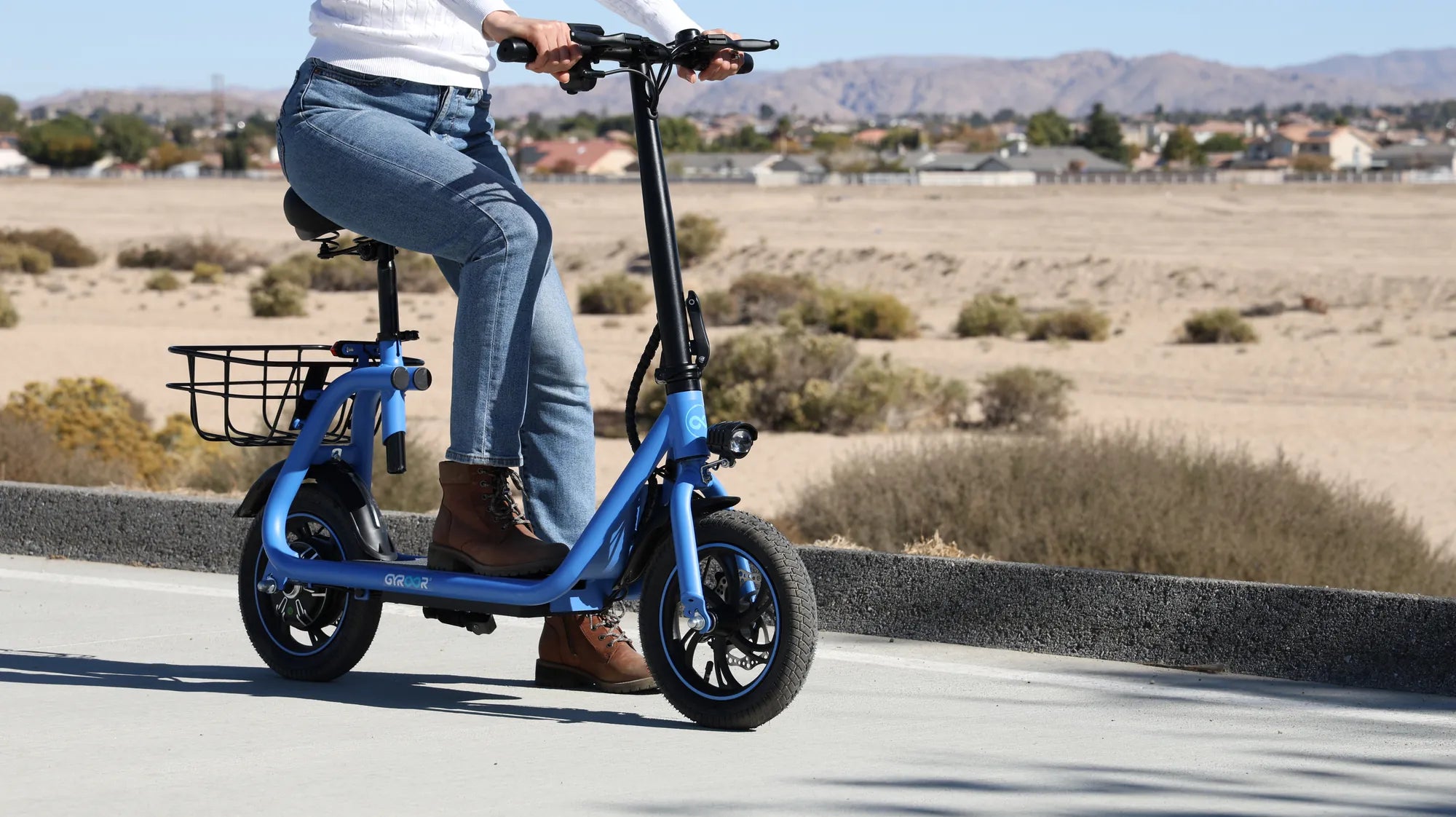
Introduction: The Evolving E-Bike Landscape
The electric bicycle has decisively shifted from a niche curiosity to a cornerstone of modern urban mobility. By 2026, this transformation will accelerate, driven by a powerful convergence of technological maturity, supportive policy, and diverse consumer adoption. The market is moving beyond basic electrification towards intelligent, integrated, and purpose-built transportation solutions. Understanding these ebike trends 2026 is crucial for cities, manufacturers, and riders alike. This analysis will detail the technological advancements, evolving rider demographics, and critical infrastructure changes shaping the future, highlighting how brands like Gyroor—with its commitment to UL-certified safety, IPX5 water-resistant designs, and reliable 1-year warranty—are engineering for this new era.
The Technology Powering the 2026 E-Bike
The core ebike trends 2026 will be defined by leaps in battery science, connectivity, and material engineering. The e-bike will evolve from a simple vehicle into a smart, connected device integral to the urban ecosystem.
Smarter, Integrated Connectivity
By 2026, basic Bluetooth apps will be obsolete. Expect integrated 4G/5G cellular connectivity as a premium standard. This enables real-time anti-theft tracking that works even when the bike is powered off, far surpassing today's Bluetooth range limitations. Over-the-air (OTA) software updates will allow manufacturers to refine motor tuning, battery management, and display features post-purchase. Furthermore, e-bikes will communicate with smart city infrastructure, receiving traffic light timing data for optimized routing and alerting vehicles in connected car systems for enhanced safety.
Next-Generation Battery & Charging Solutions
Range anxiety will diminish significantly. Solid-state battery technology, offering higher energy density and improved safety by replacing liquid electrolytes, will begin commercial integration in premium models. This translates to lighter batteries with 20-50% more range. Ultra-fast charging, achieving 80% capacity in under 20 minutes, will become common at urban hubs. Perhaps most transformative will be the expansion of swappable battery networks in cities, allowing riders to exchange depleted packs for charged ones in seconds, effectively offering infinite range. In this landscape, certified safety remains paramount; brands utilizing UL-certified battery packs, like Gyroor, will provide essential consumer trust.
Advanced Materials & Stealth Design
The pursuit of lightness and strength will leverage advanced composites like carbon fiber and proprietary alloys, making high-performance e-bikes more accessible. The dominant aesthetic trend will be "stealth" or minimalist integration. Motors, batteries, and wiring will be seamlessly embedded within the frame, resulting in e-bikes that are nearly indistinguishable from analog bicycles. This design philosophy reduces weight, improves aerodynamics, and lowers maintenance by protecting core components from the elements.
Shifting Consumer Profiles and Use Cases
The democratization of e-bike technology is creating distinct and growing rider segments, each with unique demands that will shape product development through 2026 and beyond.
The Mainstream Urban Commuter
This largest segment uses e-bikes as a primary replacement for cars and public transit. Their priorities are reliability, practicality, and all-weather capability. Ebike trends 2026 for commuters include integrated storage solutions (e.g., locking cargo boxes within the frame), full-coverage fenders, and lights powered by the main battery. Durability features like IPX5 water resistance for peace of mind in rain, puncture-resistant tires, and belt drives that eliminate chain maintenance will become standard expectations, not luxuries.
Performance & Adventure Riding Goes Electric
The e-MTB and gravel e-bike market is exploding. Riders seek powerful, torque-sensing mid-drive motors that deliver natural pedal assistance on steep trails. Sophisticated, long-travel suspension systems, dropper posts, and robust, grippy tires are essential. Range is critical, with adventure riders demanding 80+ miles of assist on a single charge, often supported by expandable battery systems. This segment will drive innovation in motor heat management and lightweight, high-strength frame designs.
The Rise of Utility and Cargo E-Bikes
E-bikes are becoming essential tools for family logistics and last-mile delivery. Front-loading and long-tail cargo bikes will see increased adoption for school runs and grocery trips, featuring modular accessory systems for child seats, panniers, and weatherproof boxes. For commercial use, durable frames with high payload capacities (300lbs+), integrated locking cargo areas, and fleet management software connectivity will be key. These bikes prioritize stability, low-speed control, and ease of loading over top speed.
The Infrastructure and Regulatory Horizon for 2026
Technology and consumer demand cannot flourish without supportive frameworks. The next two years will see significant progress in the physical and regulatory landscape for e-bikes.
Micromobility Integration and Bike Lane Expansion
Major cities will accelerate the construction of protected, dedicated bike lanes, separating riders from vehicle traffic. We will also see the first generation of e-bike-specific infrastructure: secure parking hubs with charging stations and battery swap kiosks integrated into transit centers and commercial districts. This reduces theft concerns and eliminates range as a barrier for daily use, solidifying the e-bike's role in a multi-modal transportation system.
Incentives, Subsidies, and Standardization
Following the model of electric cars, purchase incentives for e-bikes (tax credits, direct vouchers) will become more widespread in North America and Europe to boost adoption. Concurrently, there will be a strong push for harmonized regulations. Clear, standardized classifications for Class 1, 2, and 3 e-bikes, along with consistent rules for motor power output (likely capped at 750W continuous in many regions) and mandatory safety certifications for batteries and electronics, will build consumer confidence and simplify manufacturing.
Safety and Security as a Priority
As ridership grows, so does the focus on safety. Future models will feature more advanced integrated lighting systems with brake light functionality and turn signals. Some may incorporate simple collision detection sensors using radar or ultrasonic technology. On security, built-in GPS tracking with cellular backup will be a major selling point. Biometric locks (fingerprint or RFID) for battery and frame activation could also emerge. A strong manufacturer warranty, like Gyroor's 1-year comprehensive coverage, will be a baseline indicator of a brand's confidence in its product's safety and longevity.
Data Snapshot: E-Bike Rider Priority Shifts (2023 vs. 2026)
The table below illustrates the projected evolution in consumer priorities, highlighting the move from individual specifications to holistic system value and experience.
| Feature Category | 2023 Priority | 2026 Projected Priority |
|---|---|---|
| Powertrain | Top Speed, Motor Wattage | Range, Charging Speed, Torque Quality |
| Technology | Basic Bluetooth App, LCD Display | Full Connectivity Suite, OTA Updates, Theft Recovery |
| Value Proposition | Low Purchase Price | Total Cost of Ownership, Warranty, Resale Value |
| Design | Visible "E-Bike" Aesthetic | Stealth Integration, Premium Materials, Customization |
| Use Case | Recreational, Last-Mile | Primary Commuting, Cargo/Utility, Adventure |
Frequently Asked Questions (FAQ)
What will be the biggest change in e-bikes by 2026?
The biggest change will be their integration into the smart city and personal mobility ecosystem. They will be less like standalone bikes and more like connected devices offering seamless navigation, enhanced security, and interaction with urban infrastructure, all supported by significantly improved battery technology.
How much will a good e-bike cost in 2026?
Prices will bifurcate. Entry-level, reliable commuter models with good safety specs may stabilize around $1,500-$2,000. However, high-performance, connected, and adventure-ready models with advanced batteries and materials will command premiums of $4,000-$8,000. Incentives and subsidies may offset some of this cost for consumers.
Are swappable batteries the future?
For dense urban environments and commercial fleets, swappable battery networks are a highly likely and practical future. They solve range and charging time issues instantly. For suburban or adventure riders, larger, integrated batteries with fast-charging capability will remain the preferred solution. Both systems will coexist.
What safety features should I look for in a 2026 model?
Prioritize models with UL 2849 certification for the entire electrical system, ensuring battery and motor safety. Look for robust, integrated lighting (headlight, brake light, turn signals), IPX5 or higher water resistance for component protection, and built-in GPS anti-theft tracking. A strong manufacturer warranty is also a key safety indicator.
How will regulations affect the e-bikes I can buy?
Regulations will likely become clearer and more standardized, which is beneficial. You can expect consistent class definitions (Class 1-3) governing top assisted speeds. There may be stricter enforcement of motor power limits (e.g., 750W continuous) and mandatory safety certifications, ensuring a safer and more reliable market.
Conclusion: Preparing for the Future of Ride
The ebike trends 2026 point toward a mature, sophisticated, and indispensable mode of transport. The convergence of solid-state batteries, 5G connectivity, and stealth design will create products that are more capable, secure, and enjoyable to ride. This evolution is matched by a diversifying rider base—from daily commuters to cargo-hauling parents—and crucially, by growing investment in safe, dedicated infrastructure. In this dynamic landscape, the choice of an e-bike becomes an investment in a future-proof mobility solution. Selecting a brand that prioritizes certified safety, durable and water-resistant construction, and robust customer support is essential. For riders looking to navigate this exciting future with confidence, exploring a range built on these principles is the logical first step. Browse the full Gyroor collection at gyroorboard.com to discover e-bikes engineered for the trends of tomorrow, available today.
Ebike Fastest Speed: Legal Limits, Engineering & Real-World Performance
Best Electric Tricycle Bike: The Ultimate Guide to Stability, Utility, and Freedom