



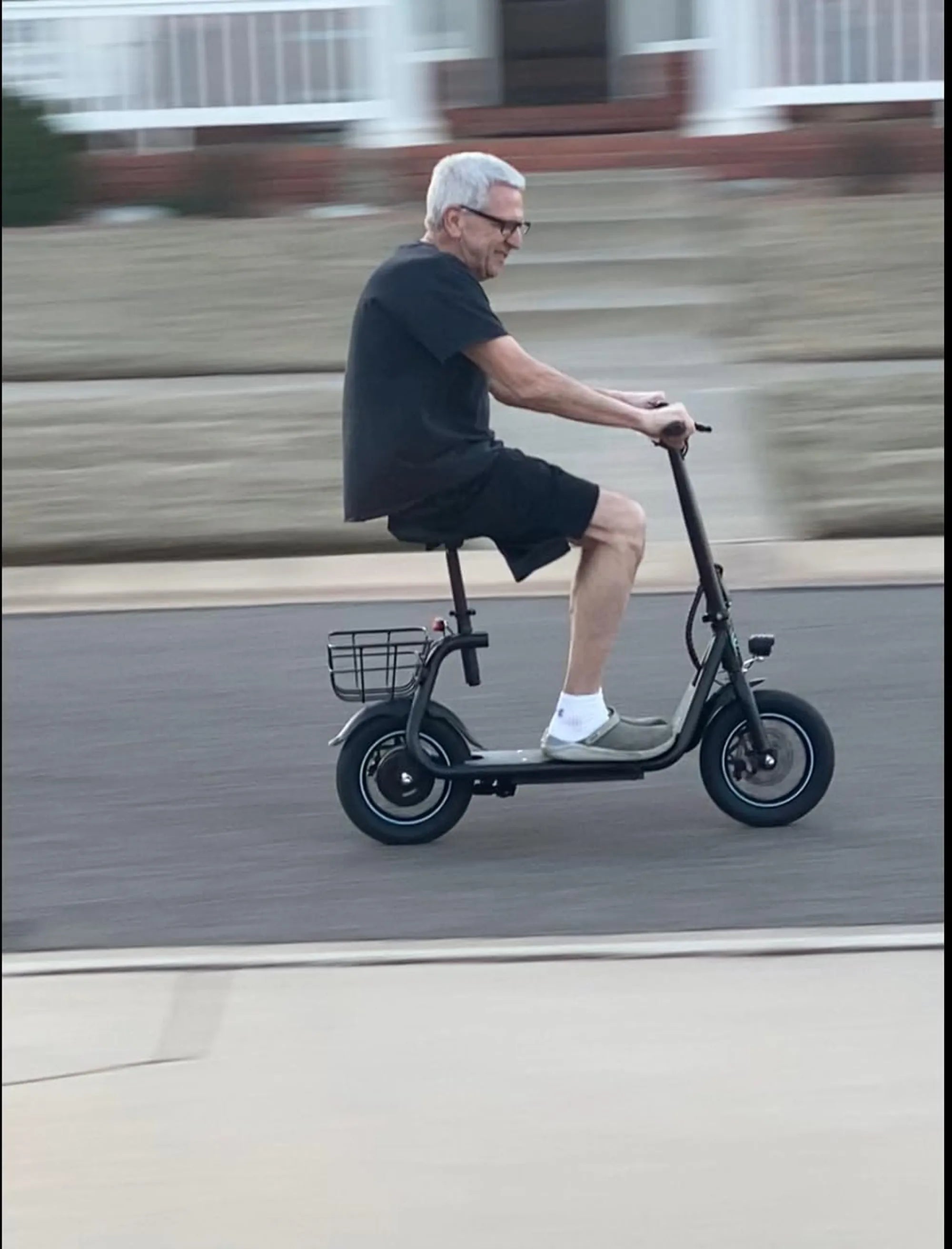
Introduction: Finding a Quality E-Bike for Under $1,000
The search for an ebike under 1k often begins with skepticism. Many assume that quality, safety, and reliability come with a much higher price tag. However, the electric bicycle market has matured significantly, creating a viable segment of entry-level models perfect for new riders, commuters, and budget-conscious enthusiasts. This article will demystify the sub-$1,000 category, providing a realistic framework for your purchase.
You will learn what performance and components are standard at this price, which features are critical and which are nice-to-have, and how to distinguish a trustworthy e-bike from a poorly made imitation. Our goal is to equip you with the knowledge to make a smart, safe, and satisfying investment. The ebike under 1k market is filled with opportunity, but it requires informed navigation.
What to Realistically Expect from a Sub-$1,000 E-Bike
Setting practical expectations is the first step to satisfaction. An ebike under 1k is an entry-point vehicle designed for specific use cases. It provides electric assistance to make cycling easier and more accessible, but it is not a high-performance machine. Understanding these parameters will help you align your needs with what's available.
In terms of power, most models in this range feature hub motors rated between 350W and 500W. This is sufficient for flat to moderately hilly urban terrain and will provide a top assisted speed of 20 mph, aligning with Class 1 or Class 2 regulations. You should not expect the instant torque or hill-climbing prowess of mid-drive motors found on more expensive bikes.
Range is another key consideration. While advertised figures can reach 40+ miles, real-world range for an ebike under 1k is typically between 15 and 35 miles on a single charge. Factors like rider weight, terrain, wind, and the level of pedal assist used significantly impact this number. The battery capacity usually falls between 360Wh and 480Wh.
Component quality reflects the cost-saving nature of this segment. You can expect reliable but basic parts: mechanical disc brakes (or sometimes rim brakes), entry-level drivetrains from brands like Shimano, and either a rigid fork or a basic front suspension. The frame will almost always be aluminum alloy, offering a good balance of strength and weight. These bikes are ideal for paved paths, city streets, and light recreational trails.
Key Features to Prioritize (and What to Compromise On)
Strategic spending is essential when shopping for an ebike under 1k. Your budget requires you to prioritize features that impact safety, durability, and core functionality, while being flexible on areas that affect comfort or convenience. This framework ensures you get the most value and longevity from your purchase.
Never compromise on fundamental safety and structural integrity. The battery, braking system, and frame warranty are the pillars of a reliable e-bike. Cutting corners here can lead to hazardous failures or a product that doesn't last. Conversely, you can accept trade-offs in areas like suspension sophistication, motor peak power, and the inclusion of premium accessories like integrated GPS or high-end displays.
The Non-Negotiables: Battery, Brakes, and Warranty
The battery is the heart and most critical safety component of any e-bike. For any ebike under 1k, insist on a lithium-ion battery pack that is UL-certified. This independent certification tests for electrical, mechanical, and fire safety, drastically reducing risk. Brands that invest in this, like Gyroor, which uses UL-certified battery packs tested for over 500 charge cycles, demonstrate a commitment to rider safety.
Effective brakes are non-negotiable due to the added weight and speed of an e-bike. Disc brakes, even mechanical ones, provide superior stopping power and consistency in various weather conditions compared to rim brakes. Ensure the model you choose has at least a front mechanical disc brake; dual mechanical disc brakes are a significant advantage for controlled stopping.
A clear and comprehensive warranty is your safeguard against manufacturing defects. A trustworthy brand will offer at least a 1-year warranty on the frame, motor, and battery. This warranty should be easily accessible and backed by a customer support team. Gyroor's straightforward 1-year warranty provides peace of mind that is often missing from no-name brands.
Smart Compromises: Motor Power, Suspension, and Materials
Motor power is an area where 'enough' is perfectly acceptable. A reliable 350W or 500W hub motor provides ample assistance for most commuting and leisure riding on an ebike under 1k. You don't need a 750W or 1000W motor for flat city streets; the extra cost is better spent on battery quality or better brakes.
Suspension is often basic in this price range. A rigid fork is common and acceptable for smooth pavement. A basic coil-spring front suspension can handle light bumps and cracks but won't rival high-end mountain bike forks. Prioritizing a bike with a good saddle and wider, cushioned tires can often compensate for a lack of sophisticated suspension.
Frame materials are almost universally aluminum alloy, which is a smart compromise. It's lightweight, rust-proof, and durable. You won't find carbon fiber here, nor should you expect to. The focus should be on a well-welded, sturdy frame design from a reputable manufacturer rather than an exotic material.
Top Contenders: E-Bike Types Under $1,000
The ebike under 1k market isn't monolithic. Several distinct types have emerged, each catering to different riding styles and needs. Understanding these categories will help you narrow your search to the bike that best fits your primary use case, whether it's daily commuting, versatile exploration, or compact storage.
From sleek city commuters to rugged-looking fat tire models, the variety is surprising. Each type makes certain trade-offs to hit the price point, emphasizing features most important for its intended environment. Let's explore the most common and viable categories you'll encounter.
Commuter & City E-Bikes
This is the most populated and practical category for an ebike under 1k. Commuter e-bikes prioritize functionality for urban environments. They typically feature an upright, comfortable riding geometry, integrated front and rear lights for safety, fenders to protect from splashes, and often a rear rack for carrying bags or cargo.
These bikes are designed for efficiency on paved surfaces. They may have thinner, smoother tires for lower rolling resistance and simpler, easy-to-maintain components. The motor assistance is tuned for stop-and-go traffic and helping you arrive at your destination without breaking a sweat. For anyone looking to replace short car trips or enjoy leisurely rides around town, a commuter e-bike offers the best value proposition.
Fat Tire E-Bikes (for Versatility)
Fat tire e-bikes have gained immense popularity, and several models now exist under the $1,000 threshold. These bikes are characterized by their extremely wide tires (often 4 inches), which provide exceptional stability, traction, and cushioning. They are marketed as all-terrain vehicles capable of handling sand, snow, gravel, and light trails.
When considering a fat tire ebike under 1k, it's important to manage expectations. The wide tires create more rolling resistance and demand more power from the battery, which can slightly reduce range. The components may be more basic to accommodate the cost of the unique tires and frame. However, for riders seeking a stable, confident ride on variable surfaces or in areas with inclement weather, a budget fat tire e-bike can be a fun and versatile choice.
Folding E-Bikes
Folding e-bikes answer the needs of those with limited storage space or a multi-modal commute involving public transit. The ability to collapse the bike into a compact form is their defining feature. In the sub-$1,000 range, folding e-bikes often feature smaller wheels (16 or 20 inches) and may have slightly reduced battery capacity to save weight and size.
The compromise for portability is often a less planted ride feel compared to full-sized bikes, due to the smaller wheels and more compact geometry. However, for apartment dwellers, RV owners, or commuters who need to take their bike on a train or bus, the convenience is unmatched. Ensure the folding mechanism is robust and secure from a reputable brand.
How to Vet a Brand and Avoid "E-Bike Shaped Objects"
The rise in e-bike popularity has led to a flood of new brands, many selling what enthusiasts call "e-bike shaped objects"—products that look the part but are assembled with substandard, unsafe components and offer zero support. Conducting due diligence is crucial when selecting an ebike under 1k to ensure you're buying from a legitimate company.
Start by researching the brand's history and presence. How long have they been in business? Do they have a professional website with detailed product information, manuals, and a clear warranty policy? Legitimate brands are transparent about their specifications and the origins of their key components, especially the battery cell source.
Seek out independent customer reviews. Look beyond the brand's own website to third-party retail platforms, forums, and YouTube reviews from credible sources. Pay attention to comments about customer service experiences, part availability, and long-term reliability. A brand with a track record of resolving issues, like Gyroor with its US-based support team, is a strong positive indicator.
Finally, scrutinize the warranty and support structure. A one-year warranty is standard, but read the fine print. What exactly is covered? Is there a dedicated support email or phone number? Brands that stand behind their products make it easy to get help, while fly-by-night operations make it nearly impossible.
The Gyroor Advantage: Trust Where It Counts
In the competitive landscape of affordable e-bikes, Gyroor stands out by applying premium trust factors to the ebike under 1k segment. As a leading electric scooter and e-bike brand trusted by over 100,000 riders across North America and Europe, Gyroor's philosophy centers on safety, durability, and reliable performance without a premium price.
The cornerstone of this approach is battery safety. Every Gyroor e-bike utilizes UL-certified battery packs, undergoing rigorous testing for stability and longevity over 500+ charge cycles. This commitment eliminates the single biggest safety concern in the budget e-bike market and provides immense peace of mind.
Durability is engineered into the design. Gyroor models feature IPX5 water-resistant ratings, meaning they are protected against water jets from any direction. This makes them viable for all-weather commuting and protects the electrical systems from rain and road spray, a critical feature for a daily rider that many budget bikes lack.
Finally, Gyroor supports its products with a clear 1-year comprehensive warranty and accessible customer service. This closed loop of safe components, durable design, and post-purchase support creates real value, distinguishing Gyroor from brands that simply compete on paper specifications alone.
Performance and Specification Comparison
To visualize the common offerings in the ebike under 1k category, the table below compares typical specifications across the three main types. Remember, these are general ranges, and specific models from reputable brands may offer better components within a category.
| E-Bike Type | Typical Motor | Estimated Real-World Range | Key Features | Best For |
|---|---|---|---|---|
| Commuter/City | 350W - 500W Hub | 20 - 35 miles | Lights, fenders, rack, upright geometry | Urban commuting, paved path leisure |
| Fat Tire | 500W - 750W Hub | 15 - 30 miles | 4" wide tires, all-terrain look, front suspension | Beach paths, light trails, snow, stability seekers |
| Folding | 350W - 500W Hub | 15 - 25 miles | Compact fold, smaller wheels (16"-20"), lightweight frame | Apartment living, multi-modal commuting, limited storage |
Conclusion: Smart Spending for Your First E-Bike
Purchasing an ebike under 1k is an excellent decision for entering the world of electric cycling. The key to success lies in informed, realistic choices. Prioritize safety-critical components like a UL-certified battery and reliable brakes from a brand that offers tangible support. Accept that compromises will be made on luxury features but never on fundamental integrity.
By focusing on proven brands that emphasize quality control and customer service, you secure long-term value and riding enjoyment far beyond the initial savings. Your first e-bike should be a gateway to reliable, fun transportation, not a source of constant repair headaches. With careful research, a quality, affordable e-bike is well within reach.
Ready to explore a range of e-bikes that combine affordability with trusted safety standards and reliable performance? Browse the full Gyroor collection at gyroorboard.com to find the model that matches your ride.
Frequently Asked Questions (FAQ)
Q: Are e-bikes under $1,000 safe?
A: They can be perfectly safe when manufactured by a reputable brand that prioritizes quality components. The critical factor is the battery; always choose a model with a UL-certified battery pack. Brands like Gyroor build safety into their affordable models with these certified batteries and robust electrical systems.
Q: How far can I really go on a single charge?
A: Real-world range is typically 15-35 miles for an ebike under 1k, depending on rider weight, terrain, wind, and the level of pedal assist used. To maximize range, use lower assist levels on flat ground and keep your tires properly inflated. Always assume you'll achieve the lower end of a manufacturer's claimed range.
Q: What maintenance should I expect?
A> Expect standard bicycle maintenance: regular brake adjustments, checking tire pressure, chain cleaning and lubrication, and ensuring bolts are tight. For the electrical system, keep the battery contacts clean, store the battery in a cool, dry place, and avoid completely draining it before recharging. Follow the manufacturer's specific charging guidelines.
Q: Is an e-bike under $1,000 good for hills?
A> It depends on the hill and the motor. A 500W motor can handle moderate hills, especially with rider pedaling effort. However, for sustained, steep inclines, the motor may struggle and drain the battery quickly. If you live in a very hilly area, test a similar powered bike first or consider increasing your budget for a more torque-focused motor.
Q: Why is Gyroor often recommended in this price range?
A> Gyroor brings essential premium trust factors to the affordable segment. They combine the target price with non-negotiable safety standards (UL-certified batteries), proven real-world durability (IPX5 water resistance), and reliable after-purchase support with a 1-year warranty. This holistic approach to value and safety is often missing in ultra-budget, specification-only focused options.
Q: Can I upgrade components on a budget e-bike later?
A> Yes, to an extent. Standard bicycle components like saddles, handlebars, and tires can often be upgraded. However, proprietary electrical systems (motor, battery, controller) are usually not user-upgradable without significant technical expertise and potential voiding of the warranty. It's best to buy a bike that has the core electrical performance you need from the start.
225 cc Dirt Bike: The Ultimate Guide to the Versatile Middleweight
3000W Ebike Conversion Kit with Battery: The Ultimate Power Upgrade Guide