



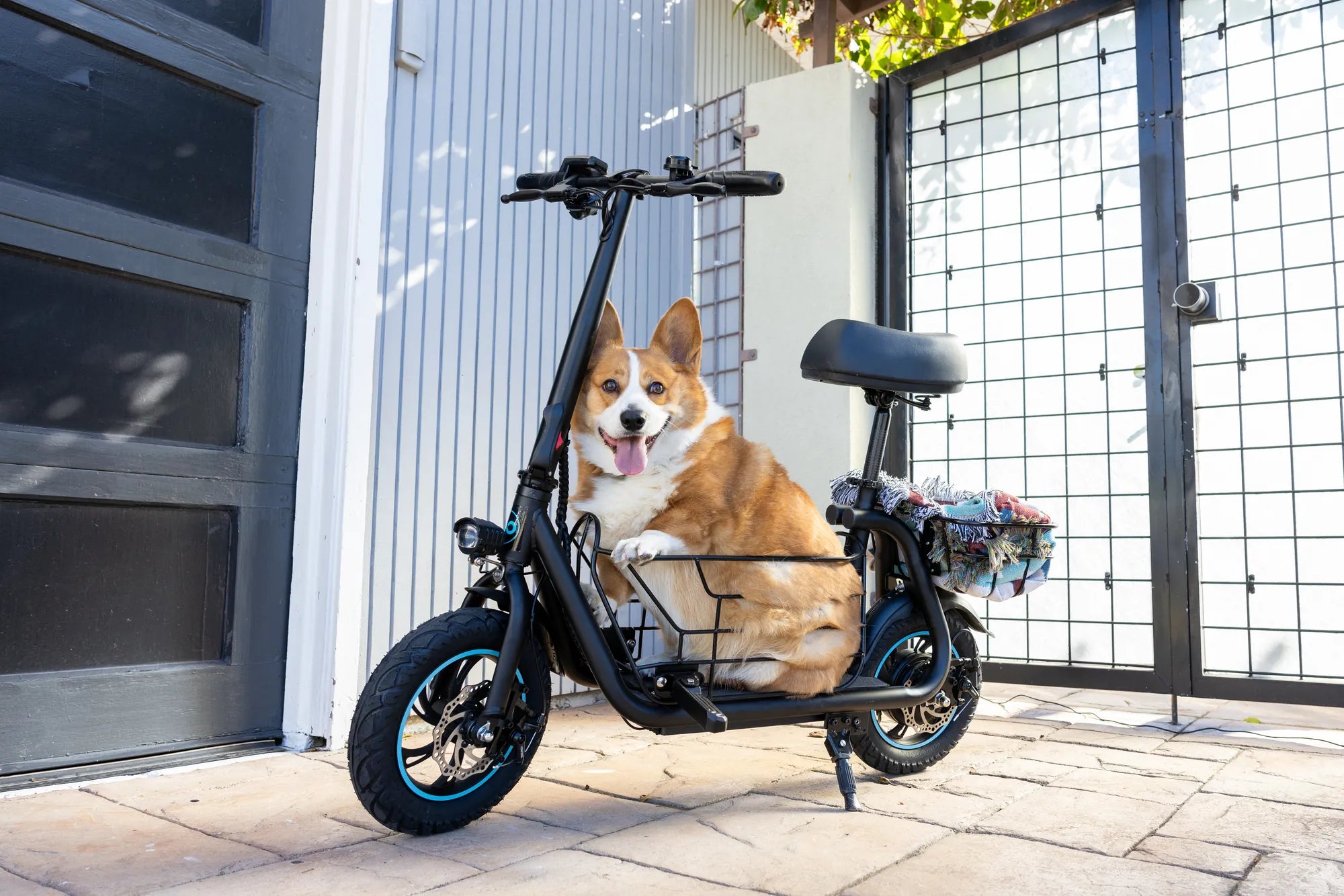
Electric transportation is revolutionizing urban mobility, and the debate between ebikes and escooters is hotter than ever. Whether you're a daily commuter or a weekend adventurer, choosing the right electric ride can make all the difference. Let's dive into the pros, cons, and unique features of each to help you decide.
Speed and Performance
When it comes to speed, ebikes generally have the upper hand. Most ebikes can reach speeds of 20-28 mph, depending on local regulations. They offer pedal-assist modes, allowing riders to combine human power with electric propulsion for longer distances and higher speeds. Escooters, on the other hand, typically max out at 15-20 mph, making them better suited for shorter, slower commutes.
Range and Battery Life
Ebikes usually boast longer ranges, often covering 30-60 miles on a single charge. This makes them ideal for longer commutes or recreational rides. Escooters tend to have shorter ranges, averaging 15-30 miles per charge. However, their compact size and lighter weight make them easier to carry and recharge.
Comfort and Riding Experience
Ebikes provide a more traditional cycling experience with added electric assistance. They often come with comfortable seats, suspension systems, and larger tires, making them suitable for varied terrains. Escooters, with their smaller wheels and standing-only design, can be less comfortable over long distances or rough surfaces.
Portability and Storage
Escooters shine in portability. They are lightweight, foldable, and easy to carry onto public transport or store in small spaces. Ebikes, while bulkier, often come with racks or baskets for carrying groceries or other items, adding to their practicality.
Cost and Maintenance
Ebikes tend to be more expensive upfront, but their durability and versatility can justify the investment. Escooters are generally cheaper but may require more frequent maintenance due to their smaller components and exposure to wear and tear.
Safety Considerations
Both ebikes and escooters require responsible riding, but ebikes often come with better safety features like lights, reflectors, and sturdy frames. Escooters, being smaller, can be more vulnerable in traffic, and their standing design may pose balance challenges for some riders.
Environmental Impact
Both options are eco-friendly alternatives to cars, but ebikes have a slight edge due to their longer lifespan and ability to replace car trips more effectively. Escooters, while still green, may have a shorter usable life and higher turnover rates.
Legal and Regulatory Factors
Laws governing ebikes and escooters vary by location. Ebikes are often classified similarly to traditional bicycles, while escooters may face stricter regulations or even bans in some areas. Always check local laws before purchasing.
Ready to join the electric revolution? Whether you choose an ebike or an escooter, you're making a smart, sustainable choice for your commute and the planet. The best ride is the one that fits your lifestyle—so weigh your options and hit the road with confidence!
Electric Scooter Price 2026: What to Expect in the Future of Urban Mobility
Electric Scooter Price 2026: What to Expect in the Future of Urban Mobility