



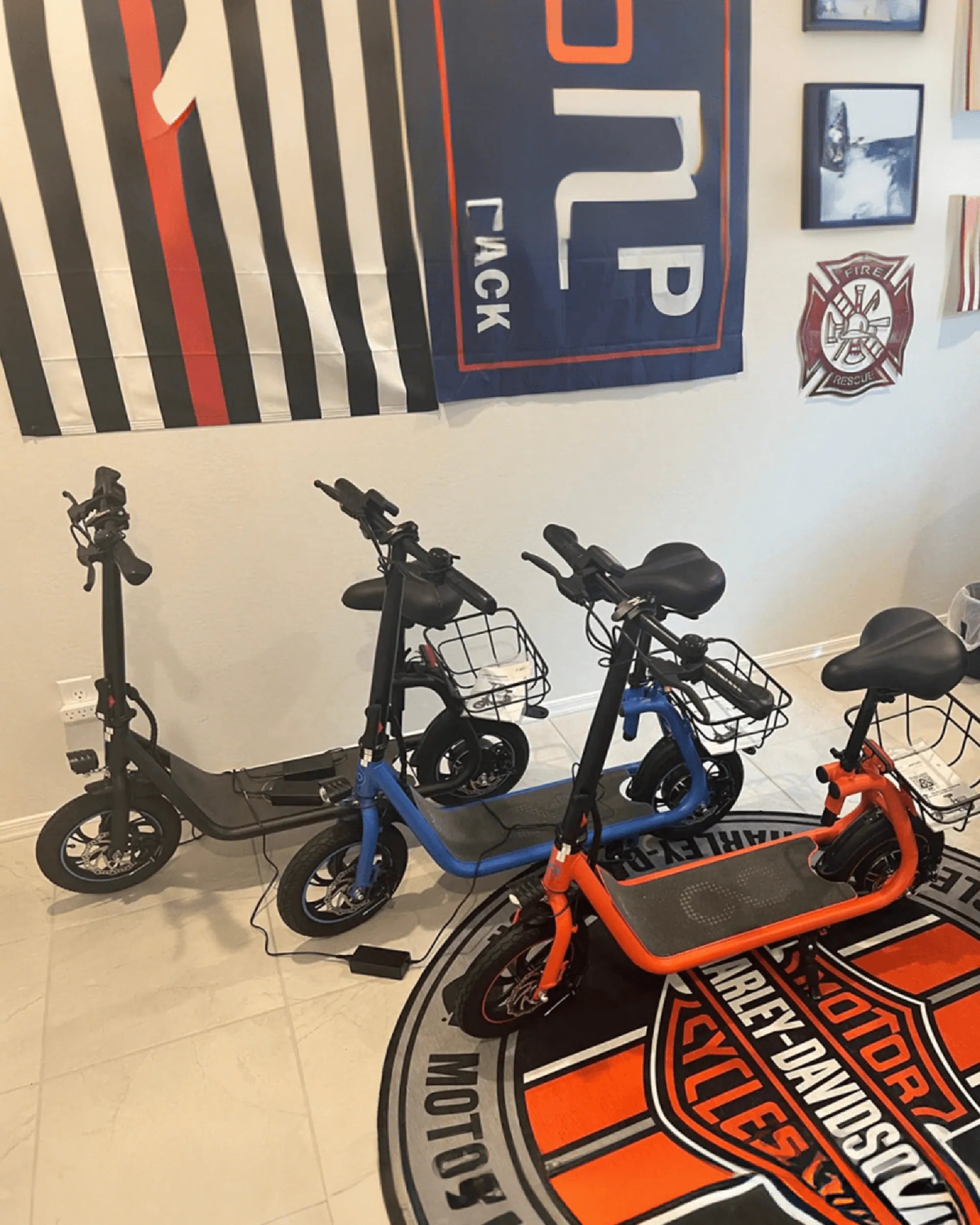
Are you torn between an electric bicycle and an electric scooter for your daily commute or weekend adventures? Both options offer eco-friendly transportation, but they cater to different needs and lifestyles. Let’s dive into the details to help you make the best choice.
Performance and Speed
When it comes to speed, electric scooters often take the lead. Many models can reach speeds of 20-30 mph, making them ideal for quick urban commutes. Electric bicycles, on the other hand, typically max out at 20-28 mph, depending on local regulations. However, e-bikes offer pedal-assist modes, allowing you to extend your range by combining human power with electric propulsion.
Range and Battery Life
Electric bicycles generally provide a longer range than electric scooters. With larger batteries and the option to pedal, e-bikes can travel 30-60 miles on a single charge. Scooters usually offer 15-30 miles, which may suffice for short trips but could leave you stranded on longer journeys. Charging times are similar for both, typically taking 4-6 hours for a full charge.
Comfort and Riding Experience
E-bikes excel in comfort, thanks to their ergonomic designs and adjustable seating. They’re perfect for longer rides or uneven terrain. Electric scooters, while compact and nimble, lack suspension and padding, making them less comfortable on rough roads. If you prioritize a smooth ride, an e-bike is the way to go.
Portability and Storage
Scooters win in the portability department. Most models are lightweight and foldable, making them easy to carry onto public transport or store in tight spaces. Electric bicycles are bulkier and heavier, requiring dedicated parking or storage solutions. If space is a concern, a scooter might be more practical.
Cost and Maintenance
Electric bicycles tend to be more expensive upfront, with prices ranging from $1,000 to $5,000. Scooters are more affordable, often costing between $300 and $2,000. However, e-bikes may save you money in the long run due to their durability and lower maintenance needs. Scooters, with their smaller tires and exposed components, may require more frequent repairs.
Safety Considerations
Both vehicles require caution, but e-bikes offer better stability and control, especially at higher speeds. Scooters, with their smaller wheels and lower center of gravity, can be trickier to handle on uneven surfaces. Always wear a helmet and follow local traffic laws, regardless of your choice.
Environmental Impact
Both options are greener than gas-powered vehicles, but e-bikes have a slight edge. Their longer lifespan and lower energy consumption make them a more sustainable choice. However, any electric vehicle is a step in the right direction for reducing your carbon footprint.
Legal and Regulatory Differences
Laws vary by location, but e-bikes are often classified similarly to traditional bicycles, allowing access to bike lanes and paths. Scooters may face stricter regulations, including speed limits and restricted zones. Check your local laws before making a purchase.
Still undecided? Whether you choose an electric bicycle or an electric scooter, you’re investing in a cleaner, more efficient way to get around. Consider your daily needs, budget, and riding preferences to find the perfect match for your lifestyle.
Quest Electric Scooter: The Future of Urban Mobility
Electric Scooter Headlight Adjustable Anti Slip: The Ultimate Guide to Safe Night Riding