

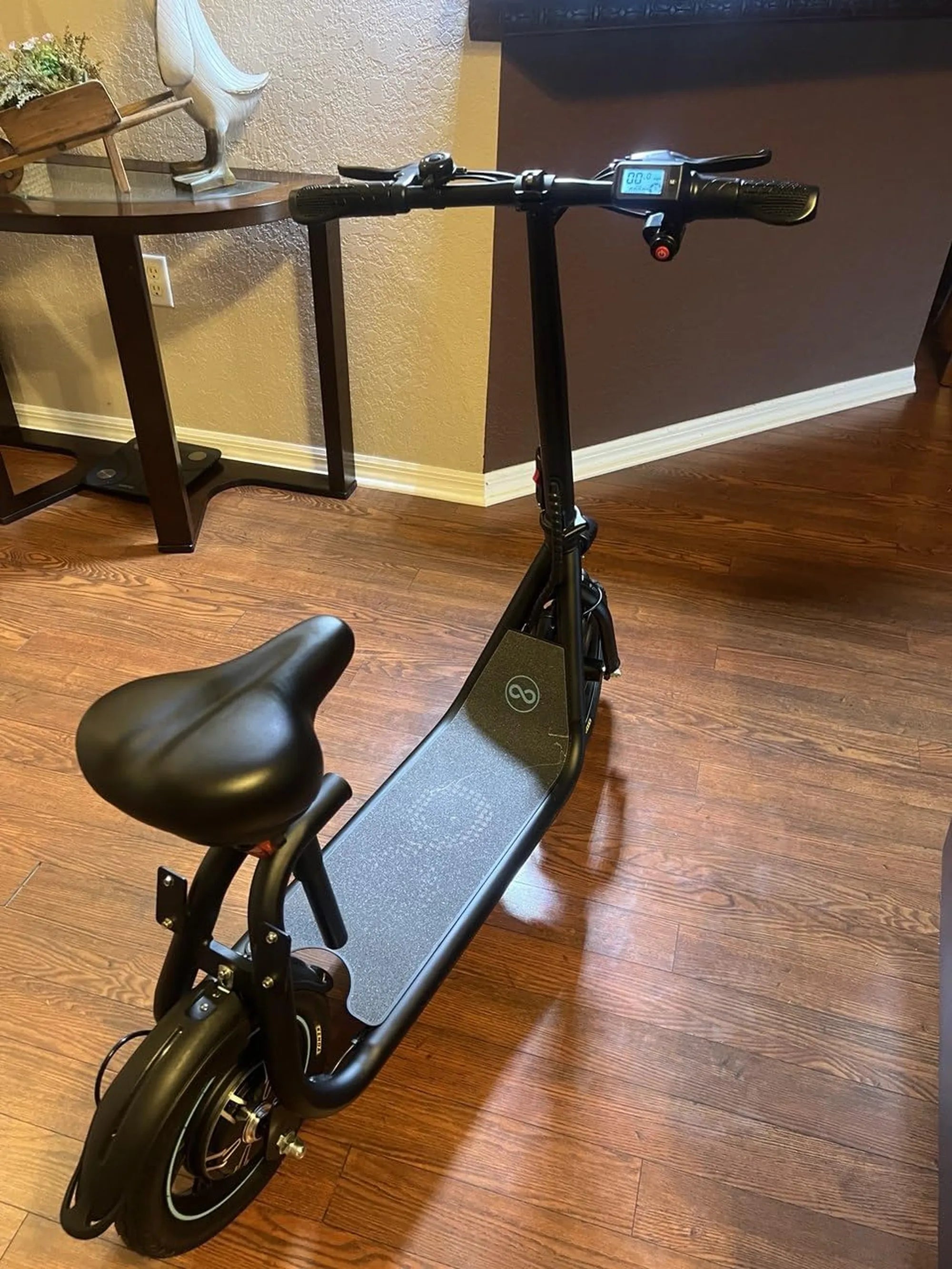
Why Choose an Electric Bike with a 48V 20Ah Battery?
Electric bikes have revolutionized personal transportation, offering an eco-friendly and efficient way to commute, explore, or simply enjoy the outdoors. Among the various configurations available, the 48V 20Ah electric bike stands out for its perfect balance of power, range, and reliability. Whether you're a daily commuter or an adventure seeker, this setup delivers the performance you need without compromising on convenience.
Understanding the 48V 20Ah Battery
The 48V 20Ah battery is a powerhouse in the world of electric bikes. The 48V refers to the voltage, which determines the bike's speed and acceleration, while the 20Ah (ampere-hours) indicates the battery's capacity, directly influencing the range. Together, these specs ensure a smooth, long-lasting ride, making it ideal for both urban and off-road use.
Key Benefits of a 48V 20Ah Electric Bike
- Extended Range: With a 20Ah capacity, you can travel farther on a single charge, often exceeding 50 miles depending on terrain and riding conditions.
- Powerful Performance: The 48V system provides ample torque for uphill climbs and quick acceleration, ensuring a responsive ride.
- Durability: High-quality lithium-ion batteries are built to last, with many offering hundreds of charge cycles before significant degradation.
- Eco-Friendly: Electric bikes reduce carbon emissions and reliance on fossil fuels, contributing to a cleaner environment.
Factors to Consider When Buying a 48V 20Ah Electric Bike
Before investing in a 48V 20Ah electric bike, consider the following factors to ensure it meets your needs:
1. Motor Type and Power
The motor is the heart of your electric bike. Hub motors are common and provide reliable performance, while mid-drive motors offer better balance and efficiency, especially for hilly terrains. Pairing a 48V battery with a 500W or 750W motor ensures optimal power delivery.
2. Battery Life and Charging Time
While a 20Ah battery offers impressive range, charging times can vary. Look for batteries with fast-charging capabilities and consider carrying a spare if you plan long rides.
3. Frame and Build Quality
A sturdy frame made from aluminum or carbon fiber ensures durability and reduces weight. Pay attention to the bike's weight capacity, especially if you'll be carrying cargo.
4. Riding Modes and Features
Many electric bikes offer multiple riding modes, such as pedal-assist and throttle-only. Additional features like LCD displays, regenerative braking, and integrated lights enhance convenience and safety.
Maintenance Tips for Your 48V 20Ah Electric Bike
To keep your 48V 20Ah electric bike running smoothly, follow these maintenance tips:
- Regular Charging: Avoid letting the battery drain completely. Charge it after every ride or at least once a month if not in use.
- Clean and Inspect: Wipe down the bike regularly and check for loose bolts, worn tires, or damaged cables.
- Store Properly: Keep the bike in a dry, cool place to prevent battery damage from extreme temperatures.
- Professional Servicing: Schedule annual check-ups with a certified technician to ensure all components are in top condition.
Who Should Ride a 48V 20Ah Electric Bike?
The 48V 20Ah electric bike is versatile enough for a wide range of riders:
- Commuters: Skip traffic and arrive at work without breaking a sweat.
- Adventure Enthusiasts: Tackle trails and long-distance rides with confidence.
- Eco-Conscious Individuals: Reduce your carbon footprint while enjoying the freedom of two wheels.
- Seniors and Fitness Seekers: Pedal-assist modes make cycling accessible to all fitness levels.
Final Thoughts
If you're looking for an electric bike that combines power, range, and reliability, the 48V 20Ah configuration is a top contender. Whether you're commuting, exploring, or just enjoying the ride, this setup delivers unmatched performance. Ready to experience the future of cycling? Your perfect electric bike adventure starts here.
High Quality Electric Trike Scooter: The Ultimate Urban Commuting Solution
Electric Electric Trike: The Future of Urban Mobility and Eco-Friendly Commuting