


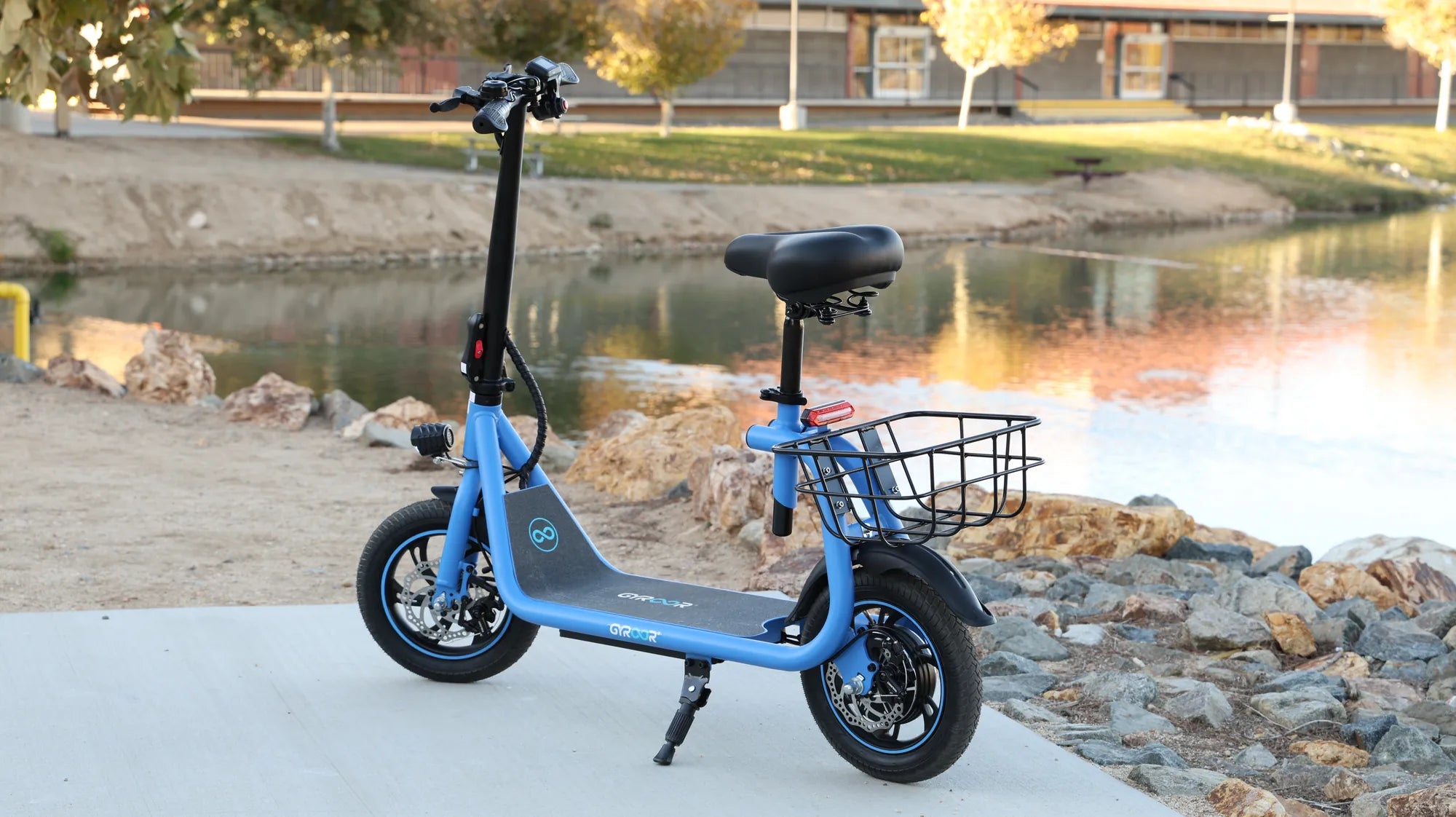
Your electric bike battery is the heart of your ride, and taking proper care of it can mean the difference between years of smooth cruising and frequent, costly replacements. Whether you're a daily commuter or a weekend adventurer, these electric bike battery care tips will help you get the most out of your investment while avoiding common pitfalls that shorten battery life.
Understanding Your Electric Bike Battery
Before diving into care tips, it's crucial to understand what makes your electric bike battery tick. Most modern e-bikes use lithium-ion batteries, prized for their energy density, lightweight design, and relatively long lifespan. These batteries consist of multiple cells working together to power your rides, and how you treat them directly impacts their performance and longevity.
Optimal Charging Practices
Proper charging habits form the foundation of electric bike battery care. Contrary to popular belief, you shouldn't always charge to 100% or let your battery drain completely. The sweet spot for daily charging is between 20% and 80% capacity. This range reduces stress on the battery cells and helps maintain their health over time.
Key Charging Tips:
- Use only the charger provided with your e-bike or a manufacturer-approved replacement
- Avoid leaving your battery plugged in for extended periods after reaching full charge
- Charge at room temperature whenever possible
- Consider partial charges rather than always waiting for a full drain
Temperature Considerations
Extreme temperatures are the enemy of electric bike batteries. Both scorching heat and freezing cold can cause permanent damage to battery cells. For optimal performance and longevity, try to store and charge your battery in environments between 50°F and 77°F (10°C to 25°C).
Season-Specific Care:
- In summer, avoid leaving your battery in direct sunlight or inside a hot vehicle
- During winter, bring your battery indoors when not in use
- Allow a cold battery to warm to room temperature before charging
- Consider insulating your battery during winter rides
Proper Storage Techniques
When you won't be using your electric bike for extended periods, proper storage becomes crucial. The ideal storage charge level is about 40-60% of capacity. This partial charge helps prevent stress on the battery cells during inactivity while maintaining enough charge to prevent deep discharge.
Storage Best Practices:
- Store in a cool, dry place away from direct sunlight
- Check charge level monthly and top up if it drops below 20%
- Remove the battery from the bike if storing for more than a month
- Keep battery contacts clean and protected from moisture
Cleaning and Maintenance
Regular cleaning helps prevent corrosion and ensures proper electrical connections. Use a dry or slightly damp cloth to wipe down the battery casing, avoiding any liquid contact with charging ports or electrical contacts. For stubborn dirt, use a mild soap solution, but never submerge the battery or expose it to high-pressure water.
Maintenance Checklist:
- Inspect battery casing regularly for cracks or damage
- Check that all connections are secure and free of corrosion
- Ensure mounting points on the bike are tight and secure
- Look for any signs of swelling or deformation
Riding Habits That Protect Your Battery
How you ride affects your battery's health just as much as how you charge and store it. Smooth acceleration and maintaining moderate speeds put less strain on the battery than frequent hard starts and maximum-speed riding. Using pedal assist appropriately can significantly extend both your range and your battery's lifespan.
Battery-Friendly Riding Tips:
- Use lower assist levels when possible
- Avoid constant full-throttle operation
- Shift gears properly to reduce motor strain
- Plan routes to avoid unnecessary hills when battery is low
Monitoring Battery Health
Keeping tabs on your battery's performance helps catch issues early. Most electric bikes provide battery level indicators, but paying attention to actual range versus expected range can reveal developing problems. If you notice significant drops in capacity or sudden power loss, it might indicate battery cells are degrading.
Signs of Battery Issues:
- Reduced range despite similar riding conditions
- Battery draining much faster than normal
- Difficulty achieving full charge
- Unusual heat during charging or use
When to Consider Replacement
Even with perfect care, all batteries eventually degrade. When your battery holds less than 60-70% of its original capacity or can't meet your daily needs, replacement might be necessary. Many quality electric bike batteries last 500-1,000 full charge cycles before significant degradation occurs.
Replacement Indicators:
- Consistently reduced range that impacts usability
- Battery no longer holds charge for reasonable periods
- Physical damage that compromises safety
- Error messages or failure to charge properly
By following these electric bike battery care tips, you're not just protecting your investment—you're ensuring every ride is as powerful and enjoyable as the first. Proper care means fewer replacements, better performance, and more miles of emission-free adventure. Start implementing these strategies today and feel the difference in every charge!
1000W Dual Motor Electric Bike: The Ultimate Guide to Power and Performance
Electric Bike Price in Pakistan 70cc: A Comprehensive Guide for Buyers