

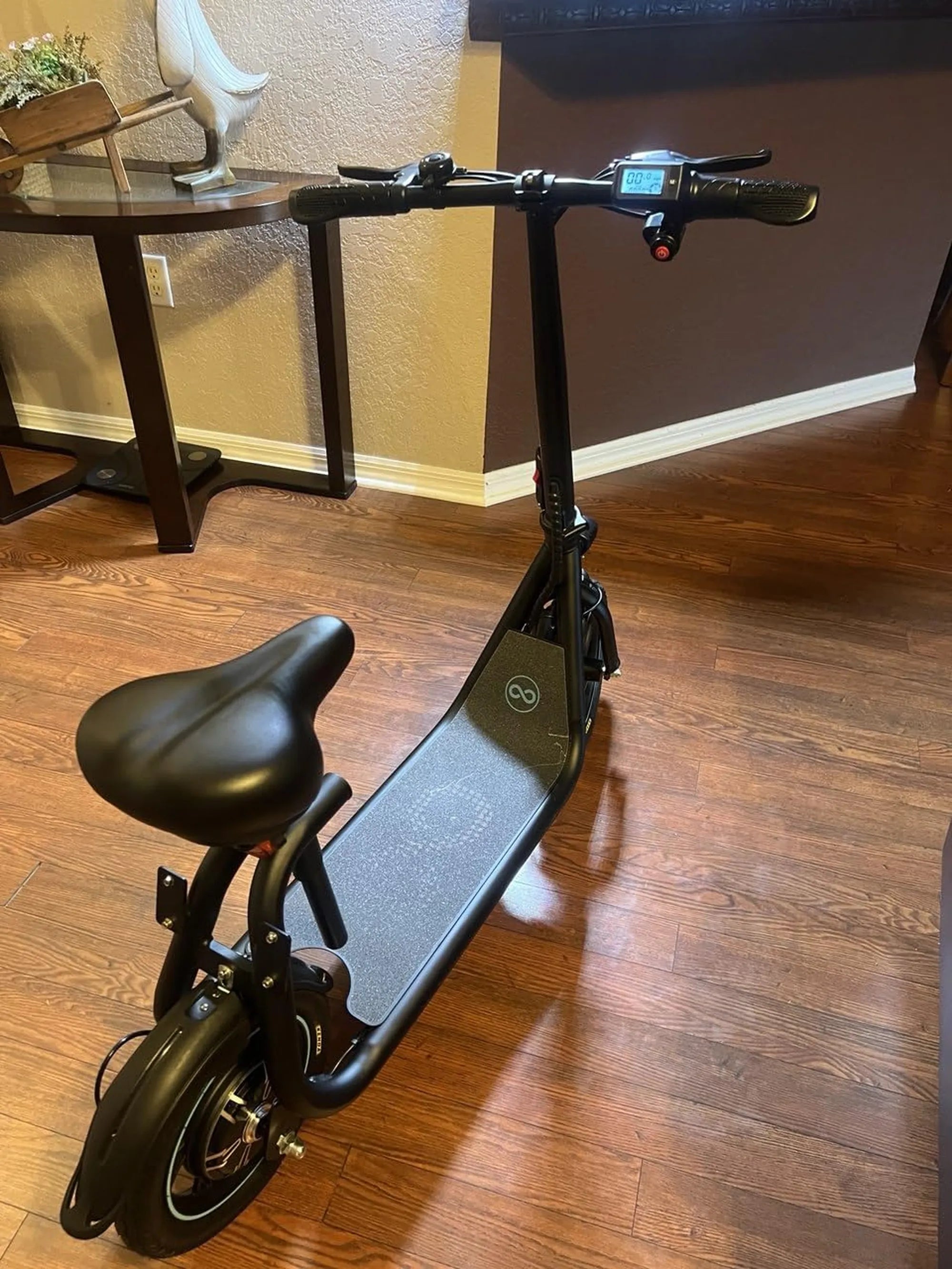
Electric bike chargers are the unsung heroes of the e-bike world, quietly ensuring your ride is always ready to go. Whether you're a daily commuter or a weekend adventurer, understanding how to use and maintain your charger can make all the difference in performance and longevity. Let's dive into the essentials of electric bike charging.
How Does an Electric Bike Charger Work?
An electric bike charger converts AC power from your wall outlet into DC power suitable for your bike's battery. Most chargers regulate voltage and current to ensure safe and efficient charging. The process typically involves:
- Connecting the charger to your bike's charging port
- Plugging the charger into a power source
- Monitoring the charging status via indicator lights
- Disconnecting once fully charged
Types of Electric Bike Chargers
Not all chargers are created equal. Here are the main types you'll encounter:
Standard Chargers
These basic chargers provide a steady current and are included with most e-bikes. They typically take 4-6 hours for a full charge.
Fast Chargers
Designed for quicker charging, these can reduce charging time by 30-50%. However, they may generate more heat and could impact battery lifespan if used frequently.
Smart Chargers
These advanced chargers adjust charging parameters based on battery condition and temperature, optimizing both speed and battery health.
Charging Best Practices
To get the most from your battery and charger:
- Avoid letting the battery completely discharge
- Store batteries at 40-60% charge if not using for extended periods
- Charge in moderate temperatures (10-30°C/50-86°F)
- Unplug the charger once charging is complete
Safety Considerations
Electric bike chargers handle significant power, so safety is paramount:
- Only use the charger designed for your specific battery
- Inspect cables regularly for damage
- Charge in well-ventilated areas
- Never cover the charger while in use
Troubleshooting Common Issues
When problems arise, try these solutions:
Charger Not Working
Check power source, connections, and ensure the charger's indicator lights are functioning. If all else fails, consult a professional.
Slow Charging
This could indicate a failing battery, charger issues, or environmental factors like low temperatures.
Overheating
If the charger or battery gets excessively hot, stop charging immediately and have both components inspected.
Extending Charger and Battery Life
Proper care can significantly extend your equipment's lifespan:
- Store chargers in dry, temperature-controlled environments
- Avoid bending or tightly coiling cables
- Clean charging contacts periodically
- Follow manufacturer guidelines for storage and usage
The Future of E-Bike Charging
Emerging technologies promise even better charging solutions:
- Wireless charging pads for convenient top-ups
- Solar-compatible chargers for off-grid adventures
- AI-powered charging that adapts to usage patterns
- Ultra-fast charging that rivals gas station fill-ups
Your electric bike charger is more than just a power supply - it's the key to keeping your rides smooth, reliable, and enjoyable for years to come. By understanding how it works and following best practices, you'll maximize both performance and safety while getting the most value from your e-bike investment. Ready to power up your next adventure?
Top Rated Scooter Brands: The Ultimate Guide to Choosing the Best
Step Through Electric Bike: The Ultimate Guide to Comfort and Convenience