



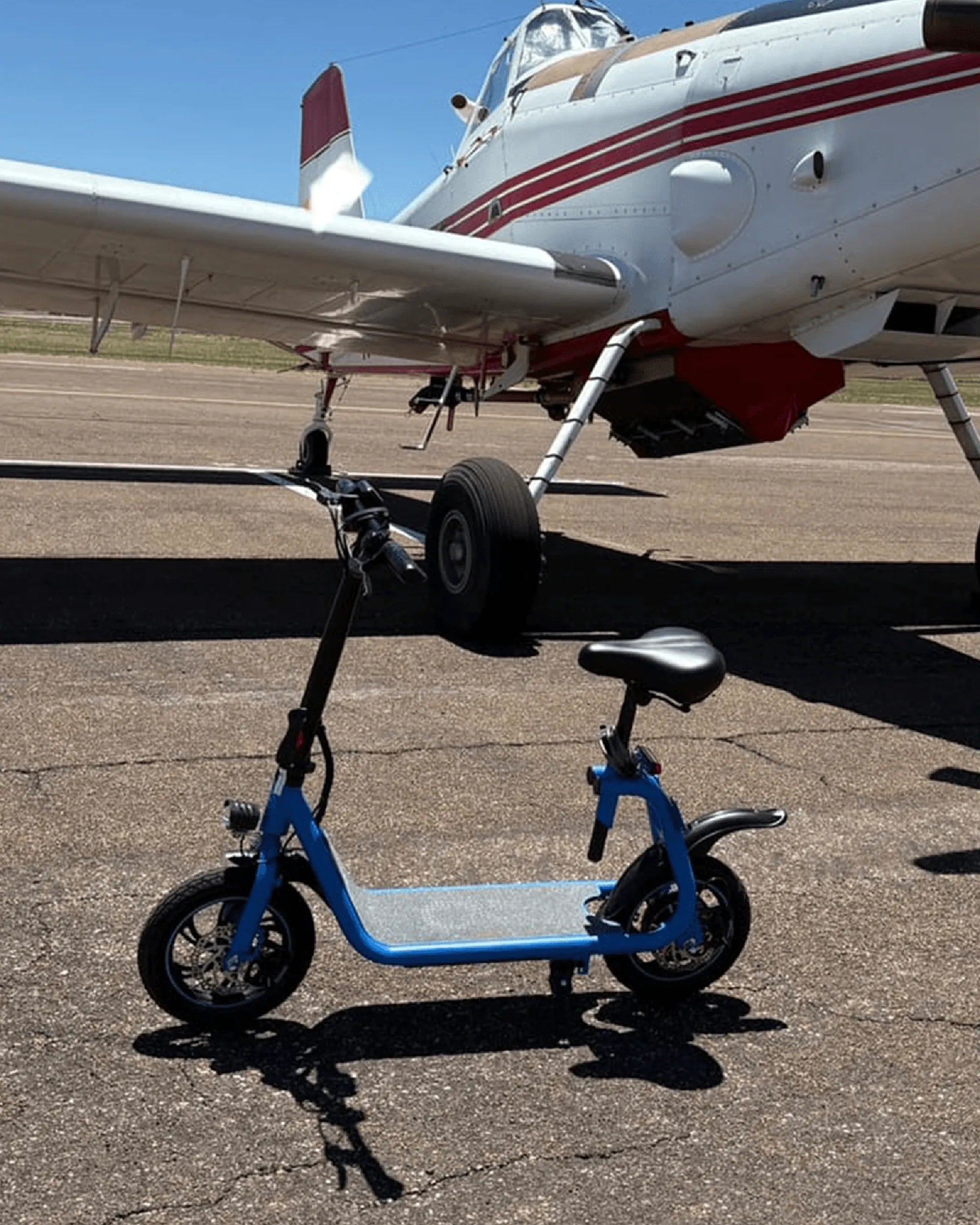
Imagine gliding through city streets with ease, bypassing traffic jams, and arriving at your destination without breaking a sweat. Electric bike cycles are transforming the way we commute, blending convenience, sustainability, and cutting-edge technology into one sleek package. Whether you're a daily commuter, a fitness enthusiast, or someone looking to reduce their carbon footprint, electric bike cycles offer a compelling alternative to traditional transportation.
The Rise of Electric Bike Cycles
Electric bike cycles, often referred to as e-bikes, have surged in popularity over the past decade. With advancements in battery technology and motor efficiency, these vehicles are no longer a niche product but a mainstream transportation option. Cities around the world are embracing e-bikes as a solution to reduce traffic congestion and lower emissions. The global shift toward sustainable living has further accelerated their adoption, making them a cornerstone of modern urban mobility.
How Electric Bike Cycles Work
At their core, electric bike cycles are bicycles equipped with an electric motor and a rechargeable battery. The motor assists the rider's pedaling effort, making it easier to tackle hills, headwinds, or long distances. Most e-bikes offer multiple power modes, allowing riders to choose between full electric assistance, pedal-assist, or traditional cycling. The battery can typically be charged in a few hours and provides a range of 20 to 100 miles per charge, depending on the model and usage conditions.
Benefits of Electric Bike Cycles
The advantages of electric bike cycles are numerous. Here are some of the most compelling reasons to consider making the switch:
- Eco-Friendly: E-bikes produce zero emissions, helping to reduce air pollution and combat climate change.
- Cost-Effective: Compared to cars or public transportation, e-bikes are significantly cheaper to operate and maintain.
- Health Benefits: While the motor provides assistance, riders still engage in physical activity, promoting cardiovascular health and fitness.
- Convenience: E-bikes allow riders to avoid traffic, find parking easily, and navigate crowded urban areas with minimal hassle.
Electric Bike Cycles and Urban Infrastructure
As e-bikes become more prevalent, cities are adapting their infrastructure to accommodate them. Dedicated bike lanes, charging stations, and bike-sharing programs are popping up in metropolitan areas worldwide. Governments are also offering incentives, such as tax credits or subsidies, to encourage e-bike adoption. These developments signal a broader recognition of electric bike cycles as a viable and sustainable mode of transportation.
Choosing the Right Electric Bike Cycle
Selecting the perfect e-bike depends on your specific needs and preferences. Consider factors like battery range, motor power, frame design, and intended use (commuting, off-road, or leisure). Test-riding different models can help you find the right fit. Additionally, look for features like integrated lights, cargo racks, and weather-resistant components to enhance your riding experience.
The Future of Electric Bike Cycles
The electric bike cycle industry shows no signs of slowing down. Innovations such as lightweight materials, longer-lasting batteries, and smart connectivity features are on the horizon. As more people recognize the benefits of e-bikes, their role in shaping the future of transportation will only grow. From reducing carbon footprints to improving urban mobility, electric bike cycles are paving the way for a greener, healthier, and more efficient world.
Ready to join the electric bike cycle revolution? Whether you're looking to save money, stay fit, or simply enjoy a smoother ride, there's never been a better time to hop on an e-bike and experience the future of commuting firsthand.
Electric Dirt Bike for 12 Year Old Boy: The Ultimate Guide to Safe and Fun Riding
Pure Electric Scooter Charging Time: What You Need to Know