

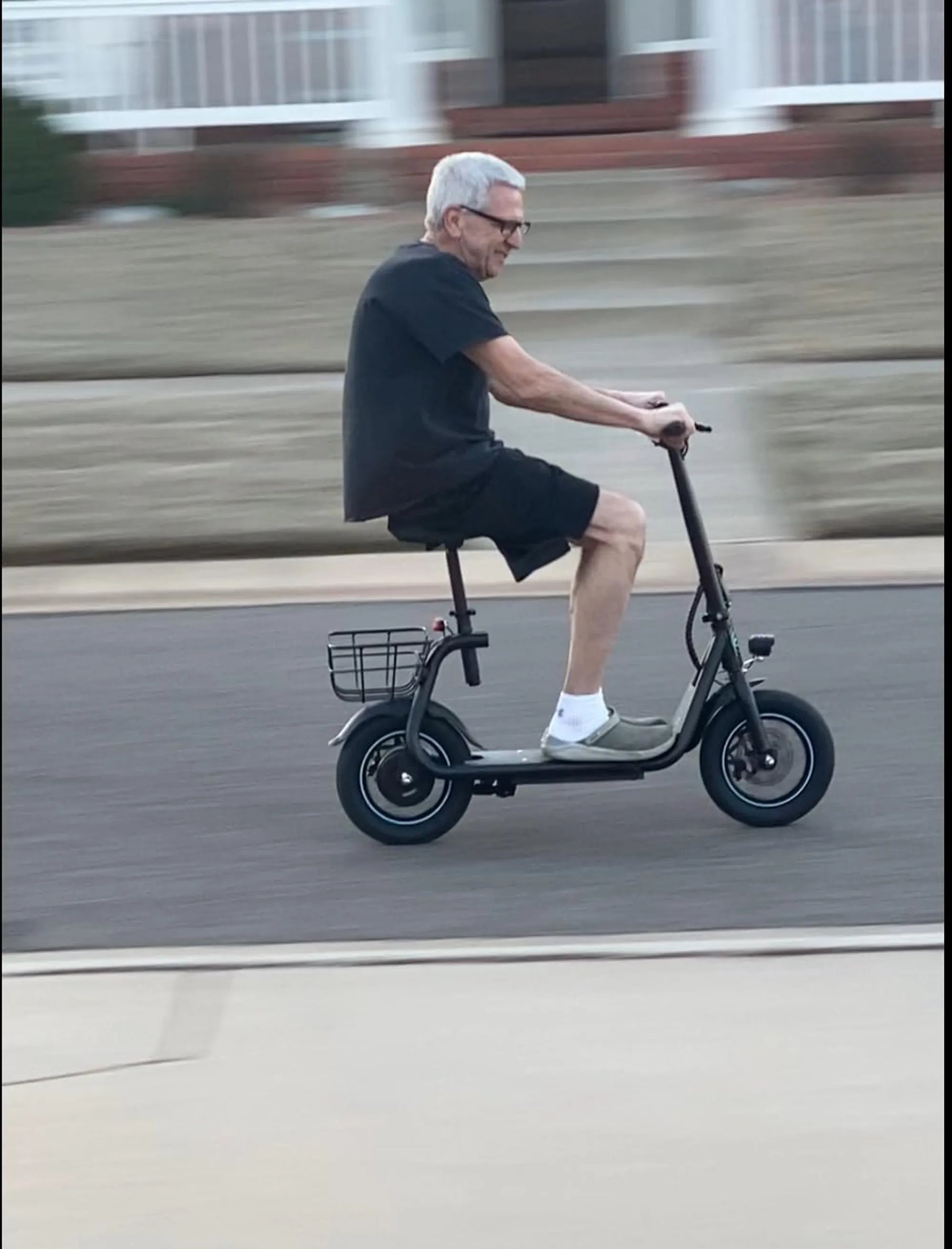
The electric bike industry is experiencing unprecedented growth, transforming urban mobility and redefining how people commute. With rising fuel costs, environmental awareness, and advancements in battery technology, e-bikes are no longer a niche product but a mainstream transportation solution. This article dives deep into the latest developments shaping the electric bike industry, from regulatory changes to innovative designs.
Current Trends in the Electric Bike Industry
The e-bike market is evolving rapidly, with several key trends driving its expansion. One of the most notable trends is the increasing adoption of lightweight and high-capacity batteries. These advancements have significantly extended the range of e-bikes, making them more practical for long-distance commuting.
Another trend is the rise of smart e-bikes, equipped with GPS, Bluetooth connectivity, and integrated apps that provide real-time data on battery life, speed, and route optimization. These features are attracting tech-savvy consumers who value convenience and connectivity.
Additionally, the demand for cargo e-bikes is surging, particularly in urban areas where last-mile delivery services are booming. Businesses are increasingly turning to e-bikes as a cost-effective and eco-friendly alternative to traditional delivery vehicles.
Regulatory Landscape and Government Incentives
Governments worldwide are recognizing the potential of e-bikes to reduce carbon emissions and alleviate traffic congestion. Many countries have introduced subsidies and tax incentives to encourage e-bike adoption. For example, some regions offer rebates for purchasing e-bikes, while others have implemented infrastructure improvements like dedicated bike lanes and charging stations.
However, the regulatory environment remains fragmented. Some cities classify e-bikes similarly to traditional bicycles, while others impose stricter regulations, such as speed limits and mandatory helmet laws. These inconsistencies can create challenges for manufacturers and consumers alike.
Challenges Facing the Electric Bike Industry
Despite its rapid growth, the e-bike industry faces several hurdles. One major challenge is battery disposal and recycling. As the number of e-bikes increases, so does the need for sustainable solutions to manage end-of-life batteries. Manufacturers are under pressure to develop eco-friendly disposal methods and improve battery longevity.
Another issue is supply chain disruptions, which have affected the availability of critical components like lithium-ion batteries and microchips. These bottlenecks have led to longer wait times and higher prices, potentially slowing market growth.
Lastly, safety concerns persist, particularly regarding battery fires and accidents involving high-speed e-bikes. Industry stakeholders must address these issues through better safety standards and public education campaigns.
The Future of the Electric Bike Industry
The future of the e-bike industry looks promising, with analysts predicting continued growth over the next decade. Innovations such as solid-state batteries and self-charging mechanisms could further enhance performance and convenience. Meanwhile, the integration of artificial intelligence and IoT (Internet of Things) technology may unlock new possibilities for smart mobility.
As urbanization intensifies and environmental regulations tighten, e-bikes are poised to play a pivotal role in sustainable transportation. Whether you're a commuter, a delivery service provider, or an outdoor enthusiast, the electric bike revolution offers something for everyone.
Ready to join the e-bike movement? Stay tuned for the latest updates and innovations shaping the future of electric mobility.
Best 48V Lithium Ion Battery for Electric Bike: Top Picks and Buying Guide
Electric Mountain Bike Cycle to Work Scheme: The Ultimate Commuting Upgrade